Đồng Nai province, just east of Ho Chi Minh City, is making a concerted push to turn its history and ethnic minority culture into a working tourism economy — and the first results are already on show.
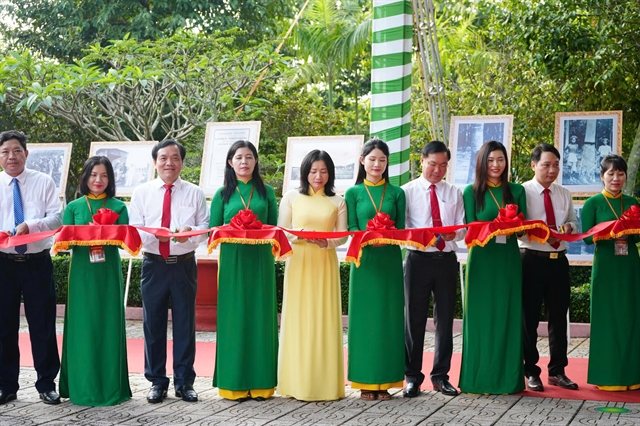
The headline event was the inaugural "Phú Riềng Đỏ" Week, held October 23–28, 2026 in Thuận Lợi Commune, Đồng Nai City. Built around a national historical site tied to the early-20th-century rubber workers' movement, the week drew thousands of visitors with gong performances, brocade weaving demonstrations, highland food stalls and stands selling goods under Vietnam's One Commune One Product (OCOP) scheme. Organisers want the site to become a regular stop for cultural and heritage education, with green tourism as the longer-term goal.
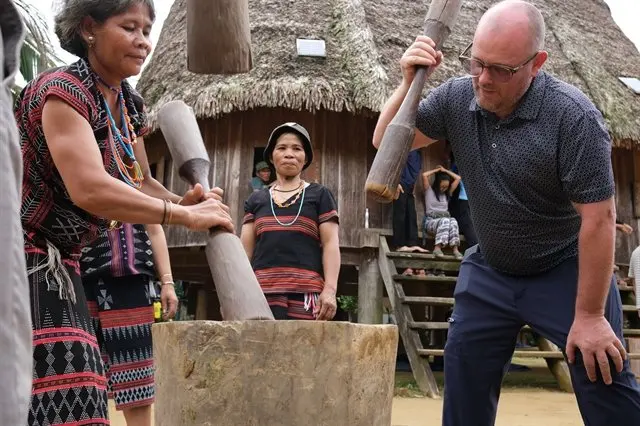
The more hands-on draw sits a short distance away in Bom Bo Hamlet, where a new experience called "A Day as a S'tiêng Person" lets visitors do rather than watch. You dress in traditional S'tiêng brocade, pound rice with a wooden pestle, learn basic weaving, help cook local dishes and finish with storytelling around a hearth. The commune's Youth Union runs the pilot with official backing, and plans to add a souvenir line — bookmarks, key rings, fabric bags and brocade gifts — that it hopes to certify under OCOP and build into a local gift brand. Homestays and more product stalls are on the agenda, alongside efforts to keep gong ensembles and folk songs alive with younger residents.
Festivals are the other pillar. The Cầu Bông Festival was recognised as national intangible cultural heritage in 2021, and the Bà Rá–Phước Long Goddess Worship Festival — centred on Bà Chúa Xứ, a Mother Goddess — doubles as a tribute to local war heroes. Đồng Nai City is now executing a 2026–2035 cultural development programme that funds museums, theatres, libraries and a conference centre, restores national heritage sites, and targets roughly 3 per cent of the city's GRDP from culture and tourism. Officials also want each commune to develop its own signature tourism product, with a "Tân Triều Cultural and Tourism Village" model in the works.
For travellers, this is a chance to see an emerging destination before the crowds — a genuine ethnic minority experience, revolutionary-history sites and low-key festivals, all within easy reach of Ho Chi Minh City. Come for the rice-pounding and gongs, stay for the food stalls and small-village warmth.