A road trip through Mexico can be one of the best ways to see the country — but it rewards preparation. Most journeys pass off without incident, yet the roads throw up a set of hazards that catch out drivers used to North American or European conditions.
First, the topes. Mexican speed bumps appear everywhere: city streets, residential zones, and even federal highways as they pass through villages. The catch is that many are unmarked and unpainted, and some are severe enough to wreck your suspension if you hit them at speed. Rental companies inspect undercars for tope damage and will bill you for it, so slow right down in built-up areas. Toll roads, helpfully, don't have topes except vibration strips near toll booths and dangerous curves.
Livestock is another regular feature. Most freeways have no fences where they cross farmland, so cows, sheep, dogs and chickens wander onto the tarmac at will. Hitting a cow can write off your car and trigger a multi-vehicle pile-up — and if the animal's owner shows up, expect a claim for lost livestock, often inflated to include hypothetical future offspring. Stay alert through small towns and wherever fields border the road.
Road quality varies enormously. Potholes are sometimes flagged with a cone or a whitewashed rock, sometimes not at all. Lane markings, reflectors and lit signage are rare outside the toll road network, which is one reason night driving is best avoided. If you must drive after dark, stick to toll highways, keep the tank full, and make sure your lights and mechanics are in good order. Unlit cyclists and pedestrians walking along road edges — common in rural areas with no sidewalks — are near-invisible until you're close.
Local driving habits take some adjustment too. Many private drivers have had little formal training, indicators are optional, and the vehicles around you may run on bald tires or without functioning brake lights. Leave generous space between yourself and the car ahead, particularly at speed or in the wet.
If your route passes through Mexico City or the State of Mexico, check the 'Hoy No Circula' program, which restricts which vehicles can drive on given days based on their plates and emissions verification. Regular visitors to the capital may need an emissions test to avoid fines.
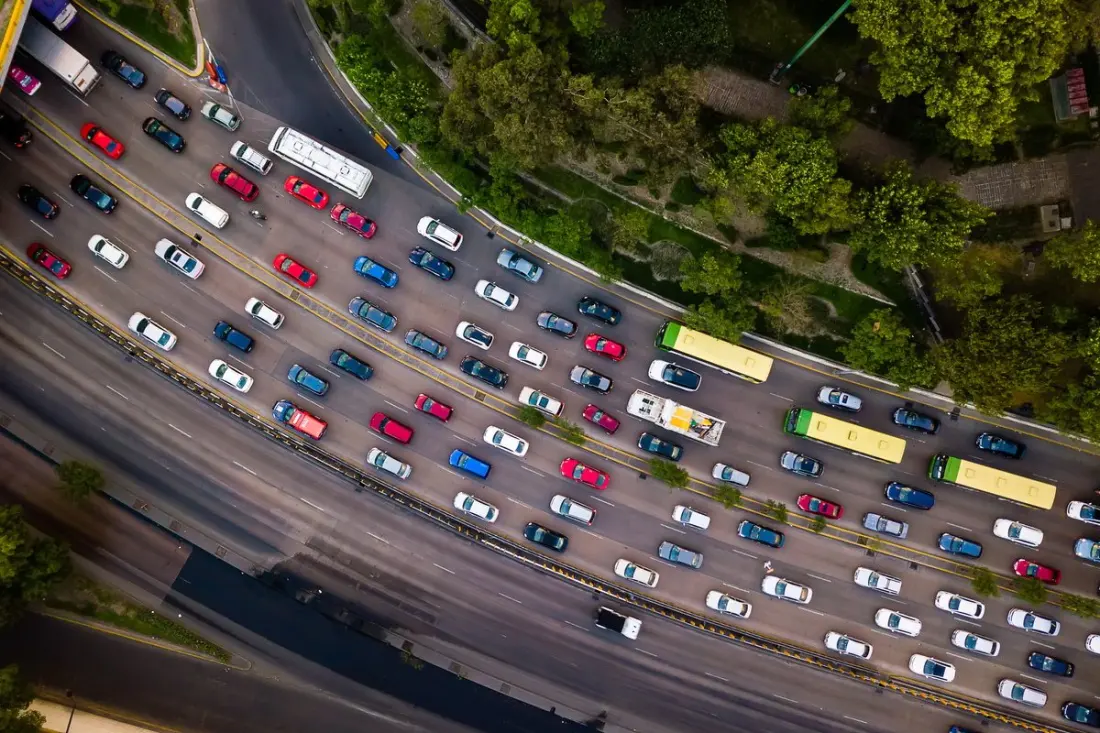
One modern hazard: don't blindly follow GPS reroutes. When traffic jams hit, apps like Google Maps or Waze may route you through rough neighbourhoods, especially in big cities and especially at night. Sitting out a jam is usually the safer bet.
Finally, sort your insurance before you go. Mexican law requires liability cover valid in the country, and US policies generally don't extend across the border. Specialist providers offer English-language policies with third-party liability, legal assistance, and optional medical and roadside support — worth arranging well before you pick up the keys.
For drivers willing to adapt, Mexico's highways open up beaches, colonial cities and mountain country that public transport barely touches. Plan your stages around daylight, budget extra time for topes and towns, and the open road is yours.