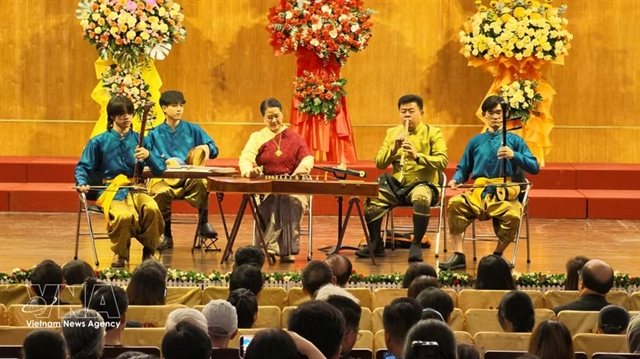
Ho Chi Minh City has dusted off a cultural event that has been quiet since 2018. The 2026 HCM City International Traditional Music Festival, running under the banner "Melodies of the East", opened on October 21 at the HCM City Conservatory of Music, and it arrives with some weight behind it: the festival doubles as a celebration of the conservatory's 70th anniversary, marking an institution founded back in 1956.
More than 70 artists from four countries are taking part — host nation Việt Nam plus Thailand, the Philippines and the Republic of Korea. That makes it a genuinely regional gathering rather than a purely local showcase, and the programme reflects it. The opening night paired a new Vietnamese work, Giao Mùa ("seasonal transition"), composed by lecturer Bùi Thiên Hoàng Quân and performed by the conservatory's Traditional Music Faculty Orchestra, with sets from Thai musicians and a Filipino ensemble.
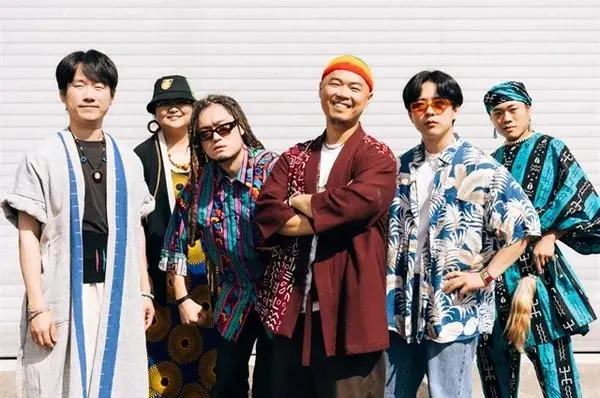
One of the headline acts is South Korea's Deobureo Sup arts troupe, a group of 34 young performers, who will play traditional Korean music and join the conservatory's orchestra for Phong Nang, a piece by composer Trần Đình Lăng. The cross-country collaboration on a single work is a neat illustration of what the organisers are after: not just parallel performances, but actual musical exchange.
The festival isn't only concerts. There are also thematic talks digging into the traditional music of all four participating countries, aimed at connecting academic research with performance — and, tellingly, at drawing in younger audiences. Organisers have been frank about the stakes. People's Artist Dr Đỗ Quốc Hưng, the conservatory's director, argues that traditional music carries the history and identity of a community, and that keeping it alive means getting younger generations to practise it in ways that fit contemporary life, not just archiving it. Committee member Võ Ngọc Diệu Tịnh framed the event as a way to bring Vietnamese traditional music closer to the public and deepen ties with neighbouring Asian countries.
For travellers, this is a good excuse to plan a Ho Chi Minh City trip around something you won't find on a typical itinerary. Vietnamese traditional music — with its distinctive instruments like the đàn bầu and đàn tranh — is usually encountered in short tourist shows; a conservatory-scale festival with visiting Korean, Thai and Filipino ensembles offers a much deeper listen, and it's happening in a city better known for street food and scooters than concert halls. If you're already in southern Vietnam in late October, check the conservatory's programme for remaining concerts and talks. Even outside festival season, the conservatory regularly hosts student recitals that cost next to nothing and are often excellent.
The broader takeaway: traditional music in Asia is being actively repositioned — less museum piece, more living exchange between countries. Events like this one are where that shift is audible.