A five-year-old long-distance trail near Mérida is quietly rewriting what a trek in Mexico can be. The Camino del Mayab stretches 110km (68 miles) across the Yucatán Peninsula, following an old henequen railway line through scrub jungle, crumbling hacienda ruins and small Mayan villages — and unlike the Inca Trail or Santiago de Compostela, it's built around culture and community rather than religion or pilgrimage.
The route has a heavy history. The path itself is a disused railway from the 19th-century hacienda era, when demand for henequen (sisal, used for rope) turned the peninsula into a network of plantation estates, some with their own laws and currencies. Workers of Maya heritage were effectively enslaved through unpayable debts. When the crop's market collapsed in the 1950s, jungle reclaimed the land, and today you walk past ruined manor houses slowly being absorbed by the forest.
Trekkers start each day with a Mayan blessing ceremony — corn seed, gourd, candle — led by local guides, then cover roughly 20km a day on foot or bike. In the June heat and humidity (30C by 9am), the writer's family halved that. Wildlife rewards the slow pace: boa constrictors, armadillos, iguanas, wildcats and tigrillos in the undergrowth, plus clouds of butterflies that Mayan tradition holds are souls of the dead.
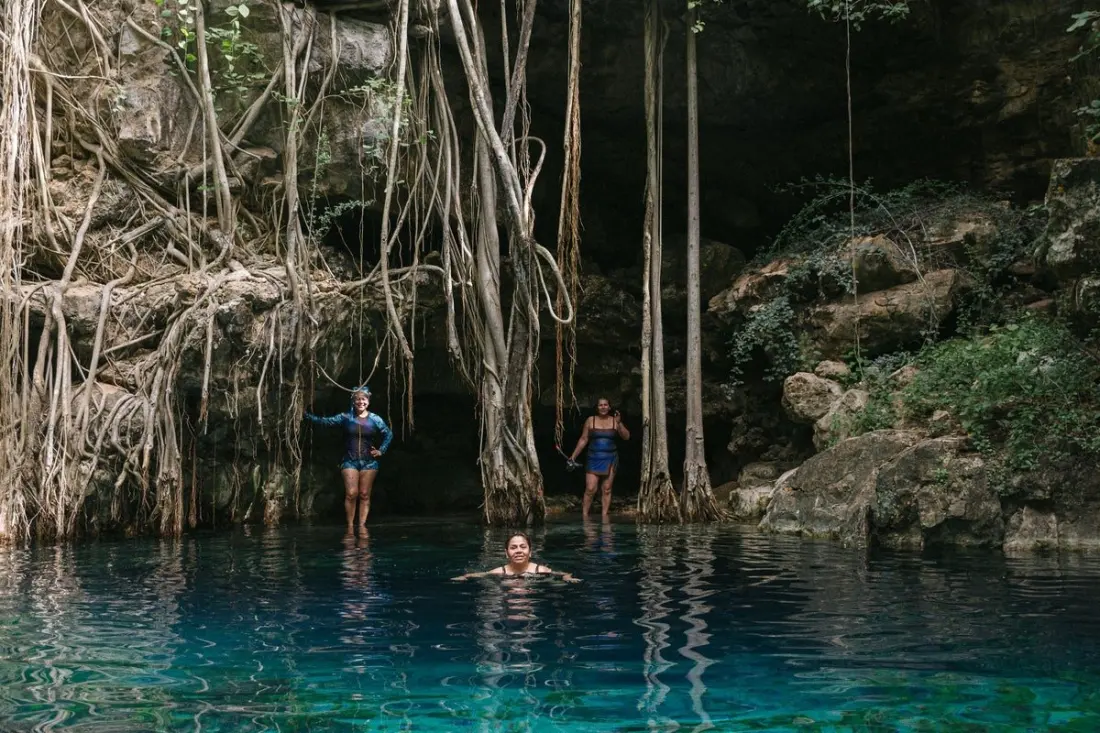
The real draw is the villages. Walkers lunch in family homes making tortillas and chicken pibil, swim in cenotes (the sinkholes Mayans saw as gateways to the underworld — descend the steps backwards out of respect, guides advise), and sleep in thatched huts like those at Xuux Eek, built by a local man after the community opened its cenotes to visitors. In the village of Mola you can meet the captain of Mexico's national Pok Ta Pok team and try the ancient hip-ball game yourself. Some haciendas have been reborn as museums; near Mérida, the Fiesta Americana hotel arranges breakfast at the refurbished Hacienda San Antonio Hool.
What sets the Camino del Mayab apart is where the money goes: 80% of the fee stays with local communities, funding libraries, university applications and work for women, and it was one of just three community tourism projects in Mexico to win government funding from Fonatur this year. Run by the organisation Ecoguerreros Yucatán, the full five-day trek costs $14,900 MXN (about £623) per person, with a three-day option at $11,500 MXN (around £480), covering guides, transport, accommodation and meals. Shorter tailor-made versions are available.
For travellers bored of tick-box ruins and crowded trails, this is the alternative: a genuinely regenerative walk that keeps Mayan culture and rural villages alive while you sweat through the jungle. Fly to Cancun — Virgin Atlantic now runs direct from London Heathrow — then drive 3.5 hours to Mérida, a handsome colonial city worth a day or two for its free Friday-night Pok Ta Pok display in the Plaza Principal.