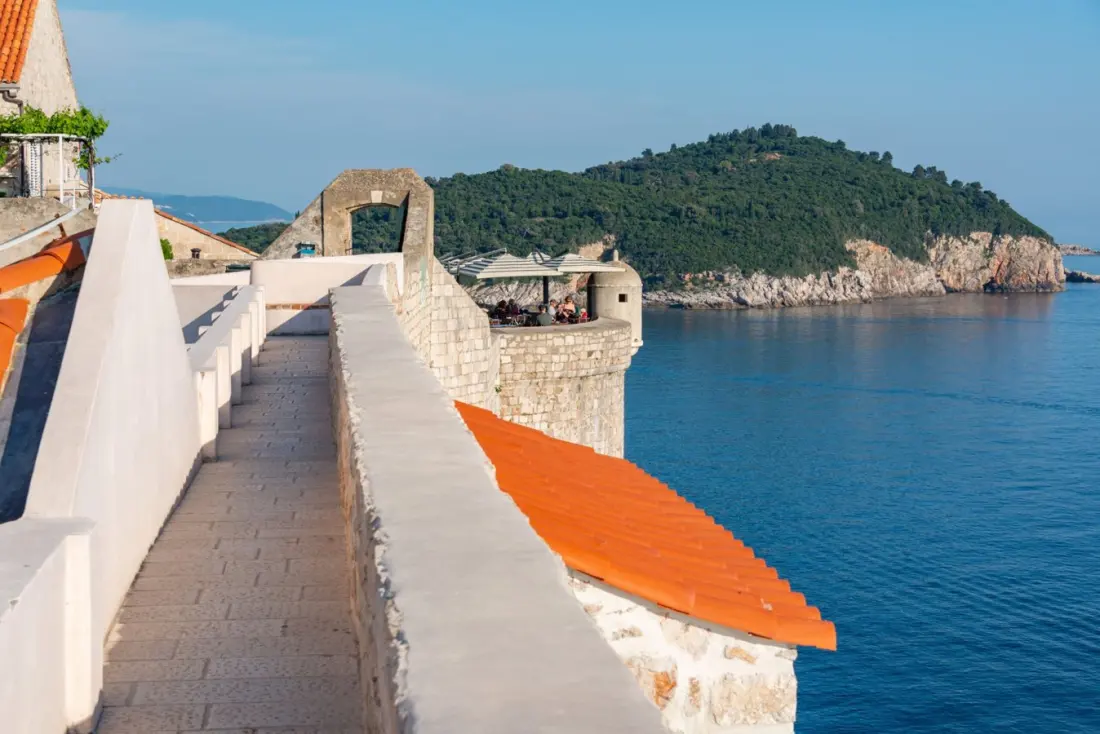
Dubrovnik has spent years trying to shake off its reputation as a walled city drowning in crowds, and the effort is paying off. The Croatian city has been nominated for the title of World's Leading Sustainable Destination 2026 at the World Sustainable Travel & Hospitality Awards (WSTHA) — a year after actually winning the same honour in 2025.
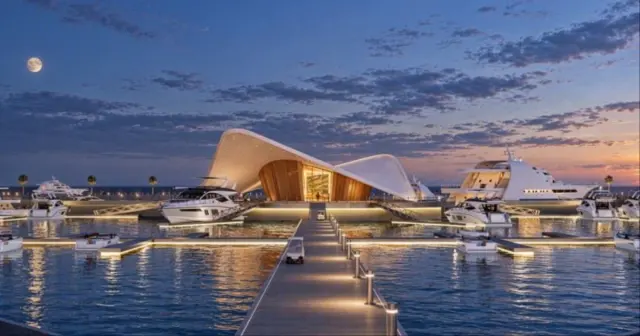
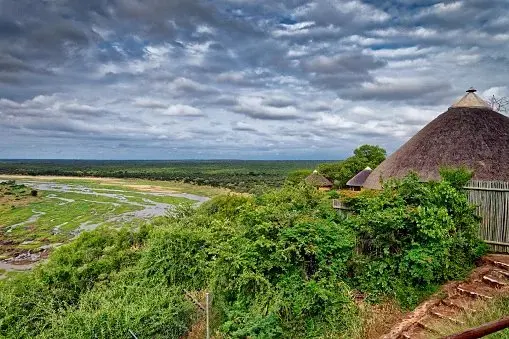
Voting opened on 25 September and closes on 21 October 2026. Dubrovnik faces a varied field: Diriyah – The City of Earth in Saudi Arabia, Dubai, the Maldives, and Tanzania's Serengeti National Park. Industry professionals, media and the general public can all vote, though verified tourism and hospitality professionals carry double the weight of public votes.
The 2025 win was built largely on the Respect the City initiative, launched back in 2017 as a broad destination-management strategy. Its tools sound dry on paper but directly shape how a visit feels: an AI-based system that predicts visitor numbers, coordination of cruise ship arrival schedules, a reservation system for tourist buses, and the Dubrovnik Pass, which bundles entry to attractions while helping manage flows. The idea is to protect the Old Town's fragile heritage while keeping the city liveable for residents — a rare priority in a place that once warned it could cap cruise arrivals outright.
The numbers back the story up. Under the Global Sustainable Tourism Council's assessment criteria, Dubrovnik's score climbed from 70 percent in 2019 to 86.04 percent in 2023. That kind of measurable progress is what the WSTHA rewards; the programme, launched at COP28 in Dubai and now in its third edition, is a sister programme of the World Travel Awards and judges destinations against UN Sustainable Development Goals principles across people, planet, place, prosperity and partnerships, with an advisory board of academics and sustainable tourism specialists setting the criteria.
For travellers, this isn't just an awards story. It means the practical friction of visiting Dubrovnik has genuinely changed: cruise arrivals are spread out rather than stacked, bus groups are booked in advance, and the Dubrovnik Pass can smooth your entry into the city walls and museums. If you've been put off by images of shoulder-to-shoulder crowds on Stradun, timing and the city's own management tools now work in your favour — go in the shoulder season, buy the pass, and you'll see a very different Dubrovnik from the one that made headlines a decade ago.
It's also worth paying attention because the shortlist itself is a snapshot of where sustainable tourism is heading: a heritage restoration city in Saudi Arabia, the Maldives, Dubai, and one of Africa's great wilderness areas. Whoever wins, the category shows destinations now compete on management quality, not just beauty.
Full details and voting are covered by Total Croatia.