Thirty minutes from downtown Charleston, a 19th-century rice plantation has quietly turned into one of South Carolina's Lowcountry's best birding spots. Dungannon Plantation Heritage Preserve and Wildlife Management Area covers more than 600 acres of wetlands, swamps and upland forest, and it costs nothing to enter.
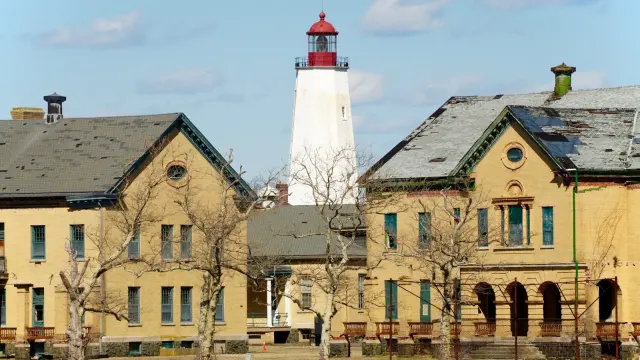
The history here is heavy. Like much of the Lowcountry, this was working rice land, run by the Sandford family in the 1800s, with canals moving water from a freshwater reserve to flood the fields. That rice economy was built on the labour and expertise of enslaved West Africans, and their descendants shaped the region's culture. Today the same engineered waterways have become a haven for wildlife instead.
The headline attraction is the endangered wood stork. These big, bald-headed birds once nested mainly in Florida, but as wetlands there shrank, colonies shifted into South Carolina and Georgia. Dungannon's cypress swamps are now an official Audubon Important Bird Area, and nesting season typically runs April through June, though the boardwalk and nesting zone may be closed from February to September to keep the birds undisturbed. Wood storks are easy to identify: around three feet tall, white-bodied, with a wrinkly neck and black-edged wings spanning roughly five feet.
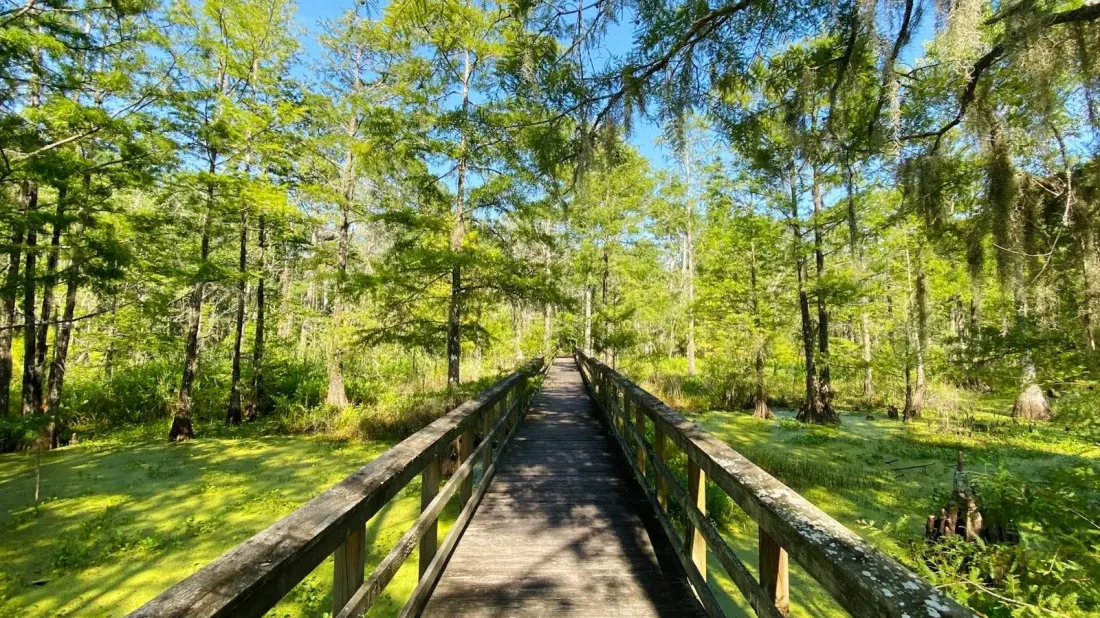
The main hike is an out-and-back trail of about five miles, including that boardwalk over the nesting area. Benches line the route, so there's no rush. Expect moss-draped oaks, towering bald cypresses and algae-green water, plus a cast of other residents: alligators, deer, osprey, great egrets, great blue herons and various snakes. The trail also carries traces of the past — Matthew Sandford's 19th-century tombstone, abandoned cars and the leftovers of old moonshine stills. If five miles isn't enough, side trails and dirt roads branch off, though conditions can be patchy.
Come prepared. There are no facilities on site, it's open dawn to dusk, and the leave-no-trace rule applies fully. Pack binoculars or a decent camera, and insect repellent is genuinely essential in this swampy heat. Dogs are allowed on leads, but neighbouring properties sometimes have loose dogs roaming the trail. One serious caution: during fall and winter deer hunting season, wear bright colours — this is an active wildlife management area, and hunters share it.
For travellers based in Charleston, this is an easy half-day trip that trades the city's restaurant queues for total quiet. Birders get a genuine shot at an endangered species; history-minded visitors get a tangible, if sobering, look at the plantation landscape that built the Lowcountry. Just bring water, bug spray and a bit of patience — the storks nest on their own schedule.