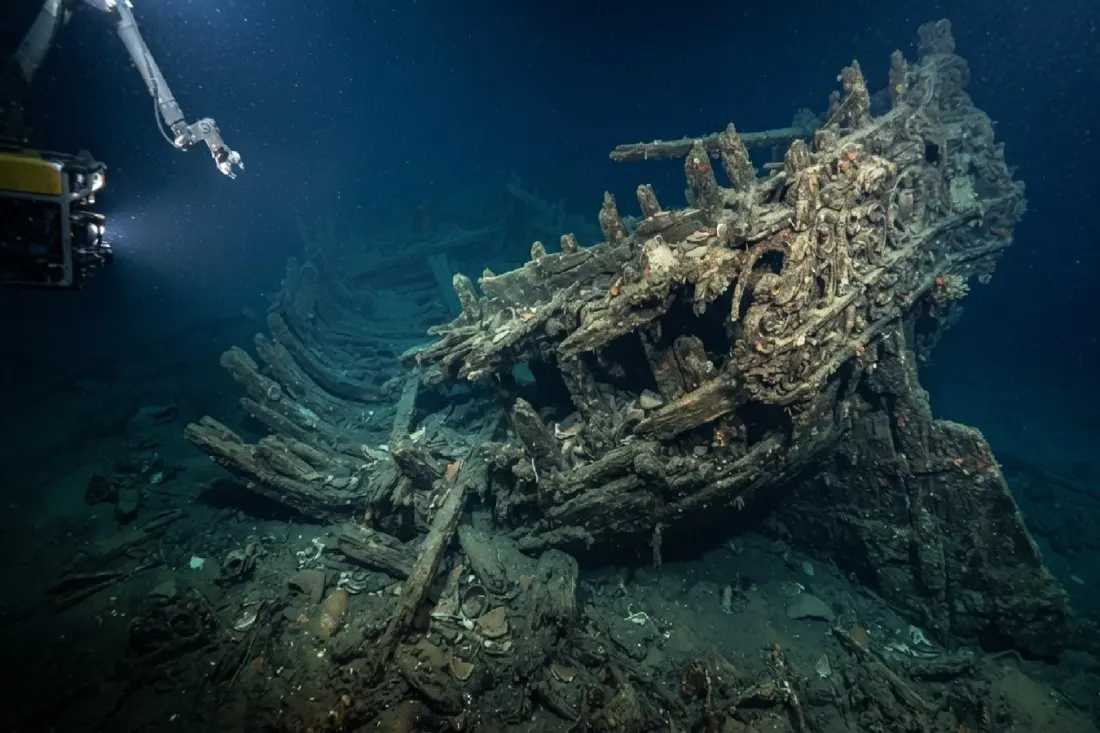
Colombia's most famous shipwreck is usually discussed in terms of treasure: gold, silver, emeralds and Chinese porcelain sitting roughly 600 metres down in the Caribbean off Cartagena. But a Colombian archaeologist is steering attention to a different kind of bounty — what the San Jose galleon teaches us about how 17th-century ships were actually designed.
Ricardo Borrero Londoño, a historian and nautical archaeologist affiliated with the Colombian Institute of Anthropology and History (ICANH), contributed research on the San Jose to a new two-volume book, "Brief History of Iberian Ship Conception and Design (1570-1712): The Coordinate System that Preceded Descartes," published worldwide by Springer Nature on September 18.
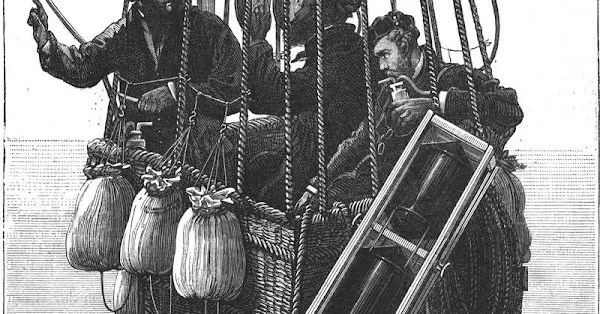
His argument is striking: Spanish and Portuguese shipwrights were using precise geometric systems to plot the curves of hulls and masts well before René Descartes published his coordinate geometry, and long before anything resembling modern blueprints existed. In other words, galleons weren't just trade and war machines — they were among the most advanced technological products of Europe's scientific revolution.
The San Jose itself makes a compelling case study. Built in the late 1600s to carry riches from the Americas to Spain, it sank in 1708 during the Battle of Baru, after a British squadron under Charles Wager attacked it en route from Portobelo, Panama, to Cartagena de Indias. It went down with coins and ingots from the Viceroyalty of Peru, emeralds, porcelain, glass, ceramics, weapons and crew belongings. Only five objects have been recovered so far — a cannon, a porcelain cup and three macuquina coins — leaving the vast majority of the site untouched.
The book's second volume, which carries the San Jose chapter, blends archaeology, naval engineering and the history of science, and compares structural evidence from the handful of 17th-century Iberian wrecks that have been properly excavated rather than looted. That matters for travellers interested in Cartagena's maritime history: the galleon era shaped this city's fortifications, wealth and world-famous old town, and this research reframes it as a story of engineering genius, not just sunken gold.
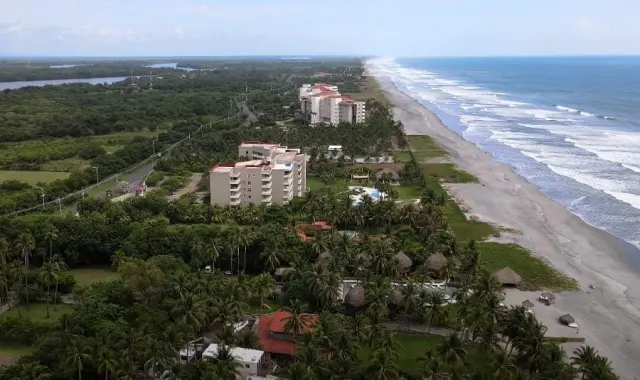
For anyone visiting Colombia's Caribbean coast, the timing is good. Cartagena's walled city, naval museums and ongoing public fascination with the San Jose make it easy to connect the dots between what you see on land and what lies offshore. Expect the galleon to stay in the headlines too — Colombia's government continues to press ahead with recovery work, and each new find or publication adds another layer to one of the world's most significant underwater heritage sites.
Whether you're drawn by history, diving culture or simply the atmosphere of a port city built on Atlantic trade, Borrero Londoño's work gives you a richer story to carry with you: the ships that built the Caribbean trade routes were designed with mathematics centuries ahead of their time.