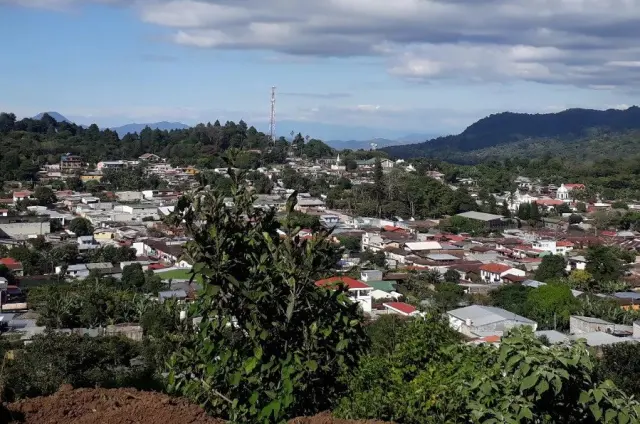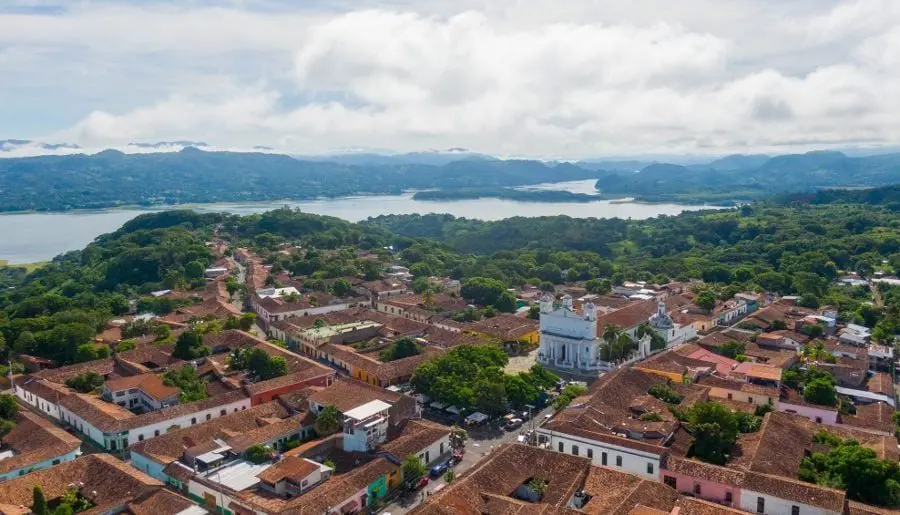
Less than an hour's drive northeast of San Salvador, Suchitoto feels like a different country from the capital. Set on high ground above Lake Suchitlán in the Cuscatlán department, this small town of cobblestone streets, clay-tiled roofs and wooden doors has become El Salvador's go-to spot for a slow weekend — and a surprisingly deep dive into the country's history.
The name comes from Nahuat roots and is usually translated as "Place of Flowers and Birds," a nod to the region's Indigenous heritage. Suchitoto mattered early: Spanish colonists twice tried to establish San Salvador nearby before the capital settled where it is today, and Suchitoto was granted city status in 1858. The town was hit hard by El Salvador's civil war (1980-1992), and the post-war revival by residents and cultural groups is a big part of why it feels so alive now.
Start at the central plaza and the 19th-century Santa Lucía Church, the town's most recognisable landmark. Wander the quieter side streets for colourful facades and inner courtyards, many now home to cafés and galleries. The Centro Arte para la Paz, set in a former convent, hosts exhibitions and workshops on Salvadoran art and history.
Suchitoto's signature experience is indigo. The natural blue dye known as añil has deep roots in El Salvador, and local workshops let visitors try traditional dyeing techniques and take home their own patterned fabric.
History buffs have two heavy-hitting excursions. Near town lies Ciudad Vieja, the re-established site of early San Salvador (founded 1525, moved 1528), now a protected National Historic Site with ongoing archaeological work. Then there are the civil war tours: former guerrilla fighters lead walks through the Cinquera Forest Reserve about 17km away, past old campsites, makeshift hospitals and hidden cemeteries, while the Guazapa Volcano trails reveal trenches, bomb craters and clandestine graves from the FMLN stronghold. Most local Guazapa guides speak Spanish only, so non-Spanish speakers may want a bilingual operator such as Gringo Tours.
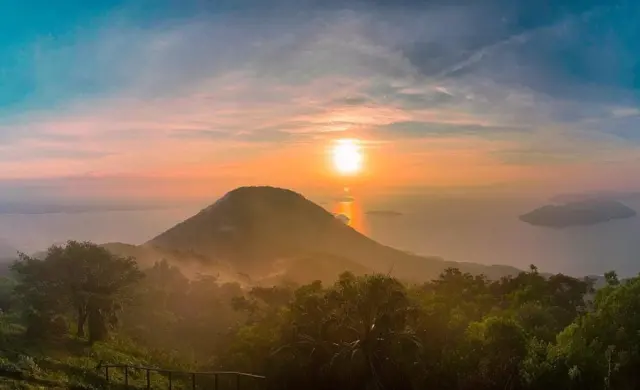
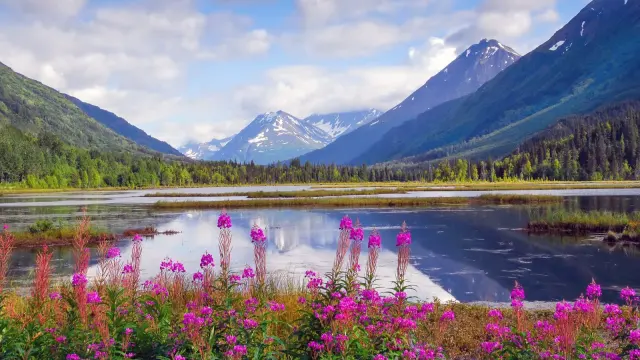
Nature rounds things out. Lake Suchitlán — technically a reservoir created by the Cerrón Grande dam — offers boat trips and excellent birdwatching, though water levels and services shift with the seasons. Nearby Los Tercios Waterfall is worth the walk even when dry: its geometric columns of volcanic rock are unusual enough to justify the trip. Just watch your footing when it's wet.
Suchitoto suits travellers who want more than beaches from El Salvador: culture-seekers, birders, history-minded visitors and anyone after an easy, walkable base for a day trip or a relaxed couple of nights. It packs colonial architecture, hands-on crafts, wartime history and lake scenery into a compact area where everything is reachable on foot or by a short ride.