El Salvador packs its year with a dense mix of official holidays, Catholic feasts and wildly local festivals — and knowing the calendar can shape your whole trip.
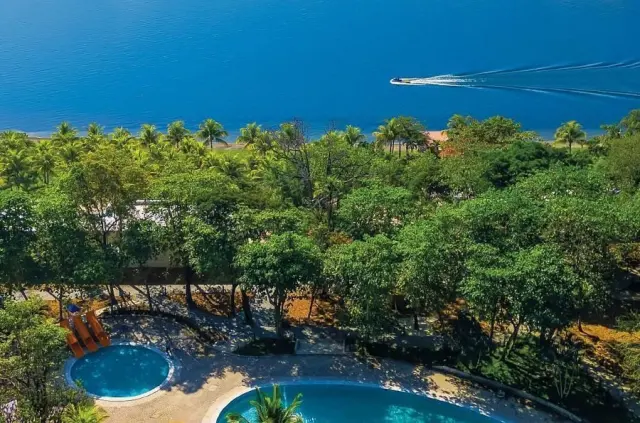
The country's eleven paid public holidays include New Year's Day, a three-day Holy Week block (Maundy Thursday, Good Friday and Holy Saturday), Labour Day on May 1, Mother's Day (May 10) and Father's Day (June 17), the Feast of the Divine Savior of the World on August 6, Independence Day on September 15, All Souls' Day on November 2 and Christmas Day. On these dates, banks, government offices and schools shut, and — crucially for travellers — Salvadoran families head en masse to the beaches, lakes and mountain towns. Visit during Semana Santa without booking ahead and you'll feel it.
Holy Week is the biggest religious event of the year. Processions move through towns from Palm Sunday to Easter Sunday, and in some communities locals lay colourful sawdust carpets, known as alfombras, along the procession routes. Good Friday brings the most solemn ceremonies; Easter Sunday is celebratory.
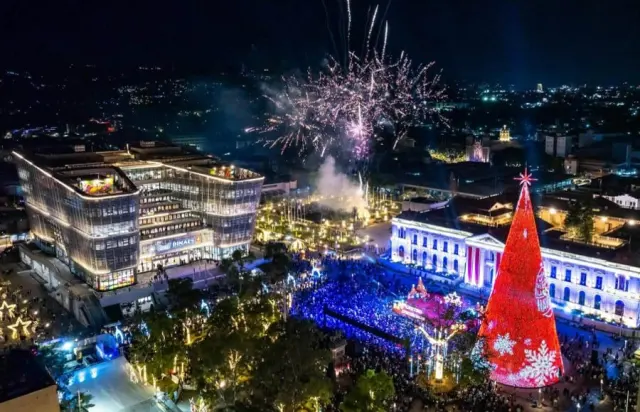
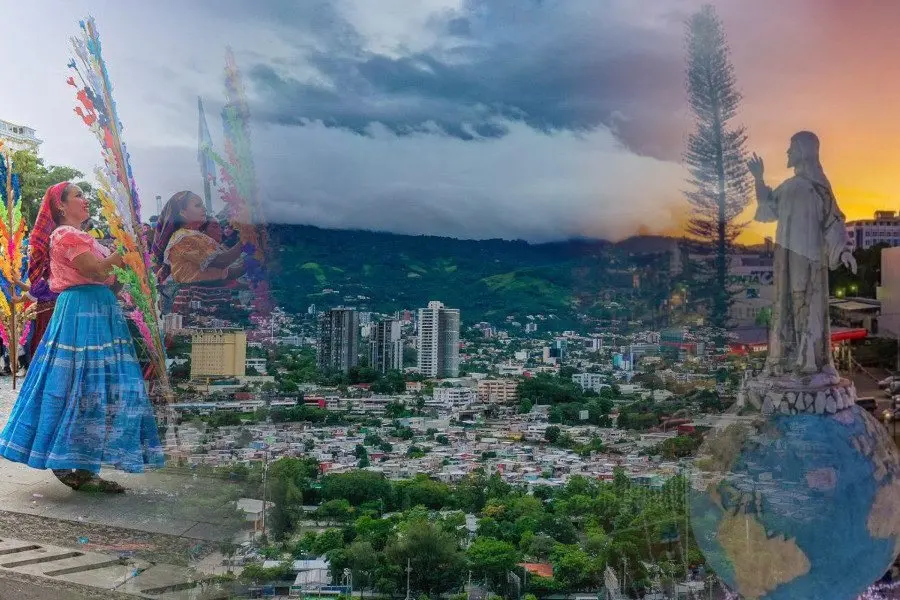
August is when the capital comes alive. The Feast of the Divine Savior of the World on August 6 honours the country's patron and anchors San Salvador's week-long festivities, with processions and community events marking the Transfiguration. Independence Day on September 15 fills cities with student parades, marching bands and flags, commemorating Central America's break from Spain in 1821.
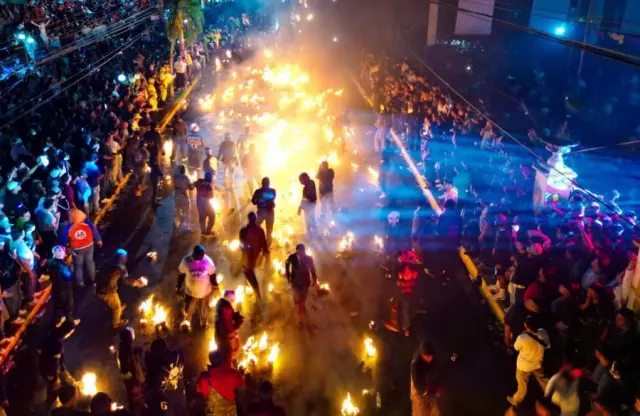
The genuinely unusual stuff sits outside the public-holiday list. On August 31, the town of Nejapa hosts its Balls of Fire festival, in which participants hurl flaming kerosene-soaked balls at each other in the streets. Panchimalco stages its Flowers and Palms Festival in early May, Nahuizalco marks Día de los Canchules on November 1, and lanterns glow across the country for Día de los Farolitos on September 7. The second Sunday of November is National Pupusa Day — as good an excuse as any to eat the country's signature stuffed corn tortillas in quantity — and the last Saturday of November brings the San Miguel Carnival, one of the largest street parties in the east.
Practical distinction worth knowing: official public holidays close things nationwide, while cultural and municipal festivals mostly run on local schedules. Life outside the host town continues as normal. Dates can also shift — Holy Week follows the liturgical calendar between March and April, multi-day festivals sometimes adjust their programmes, and the source lists several dates that move each year, so double-check locally before you plan around one.
Why does this matter for a traveller? Time a trip around San Miguel Carnival or Divine Savior festivities and you'll see the country at its loudest and most communal. Time it during Holy Week or Christmas and you'll share beaches with half the country — lively, but crowded and pricier. Shoulder-season visits with a single festival in the calendar offer a middle path: Pupusa Day in November, say, pairs street food culture with otherwise calm roads.