Autumn in Nepal brings the peak climbing season, and this year's expedition boards read like a roll call of serious alpinism. While the big 8,000m peaks grab the headlines, a handful of small teams are quietly attempting new routes on 6,000m and 7,000m summits — and most of them won't say a word publicly until they're back.
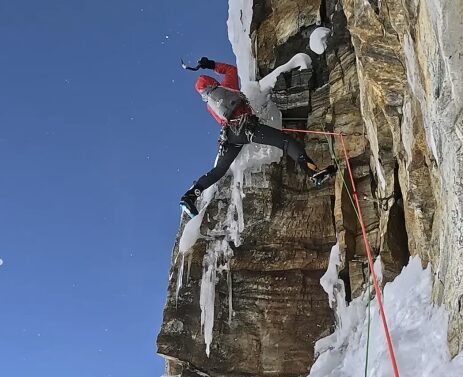
The standout success so far belongs to three young French climbers from the Military High Mountain Group (GMHM) in Chamonix. Konrad Piontek, Amaury Fouillade and Clovis Paulin marked the GMHM's 50th anniversary with a first ascent of the northeast face of Peak 41, a 6,654m mountain in the Khumbu sometimes called the "true Mera Peak." They climbed the 1,400m line in a single four-day alpine-style push, graded up to ED+ 5+ M6 A1 90°, then descended the southeast face. The route's name? Bon Matin — good morning.
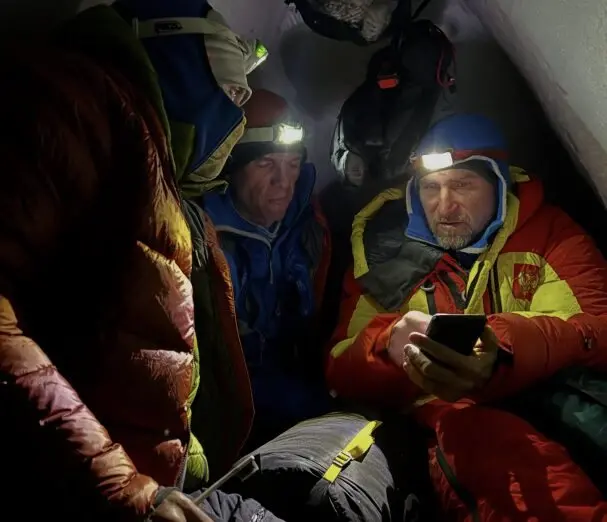
In the Kangchenjunga region, a six-man Russian team has finished weeks of acclimatization, trekking passes as high as 5,750m, and is set to try a new route up the southeast side of Jannu, the fearsome 7,710m peak. Heavy snow above 5,000m is complicating things. Meanwhile, Italy's Nivel Meroi and Romano Benet are ready to attempt a new line on Jugal II after their Slovenian teammate dropped out ill.
The Gangapurna West story (7,455m, also known as Asapurna) is one of retreat and persistence. Japanese climbers Hidesuke Taneishi and Tetsu Hashimoto have been silent since a brutal snowstorm hit the Annapurna region three weeks ago. A second team — Valery Shamalo, Natalia Zanina, Maksim Trufanov and Ruslan Kirichenko — reached 6,800m, just 340m from the top, after a day spent on 70–80° ice in spindrift and falling ice chunks. Then heavy snowfall triggered continuous avalanches, and they wisely turned back.
There's more to come: Nepal's permit list shows expeditions heading for unclimbed Nyalu Kang (6,265m), only opened to foreign climbers in 2024, and Ardang, climbed just once back in 2019. British duo Victor Saunders and Mick Fowler tried Ardang last year, so its second ascent is a genuine prize. Expect updates only when these teams come down — the nature of this small-group, no-drama style of climbing.
For travellers, it's a reminder that Nepal's autumn trekking corridors — Khumbu, Annapurna, Kangchenjunga — double as living theatres of climbing history. Many of these peaks sit above popular trek routes, so a Mera Peak or Annapurna Circuit trekger might unknowingly walk beneath a first ascent in progress. Late October and November offer the most stable weather, which is exactly when these teams make their moves.