A two-year-old restaurant on Avenue Parmentier in Paris's 10th arrondissement is proving that hearty provincial cooking can survive the city's shifting dining scene — and thrive. Elsass (Alsatian for Alsace) serves contemporary Alsatian cuisine in a calm, spacious dining room, and it arrives at a time when regional French restaurants in the capital are struggling.
The context matters. Many of Paris's beloved regional tables have disappeared as owners retired back to their home regions, while younger Parisians gravitate towards the lighter, livelier cooking of bistronomie rather than what they see as fusty provincial fare. The casualties include Chez Jenny, the grand Alsatian brasserie that long anchored a corner of the Place de la République, and Les Climats, a respected Burgundian restaurant on the Left Bank.
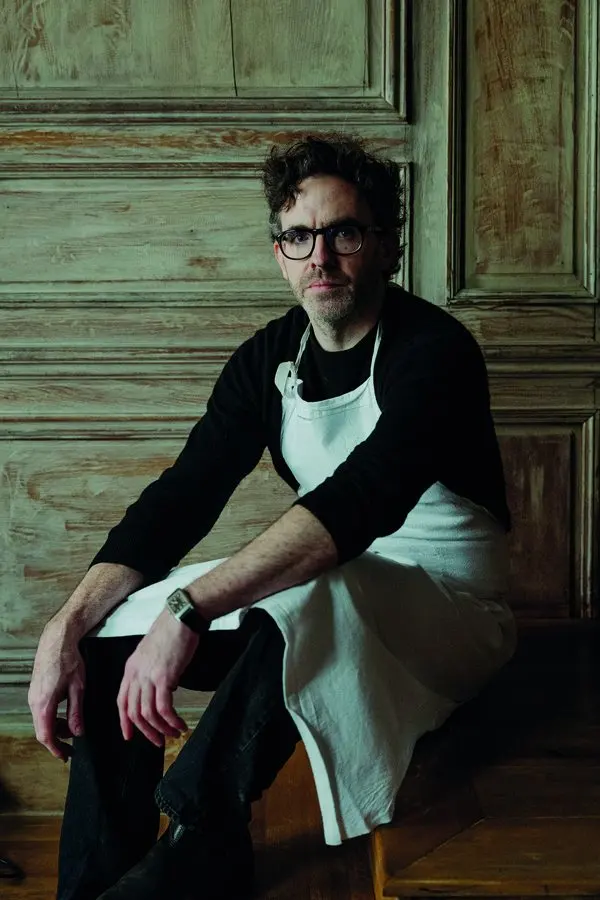
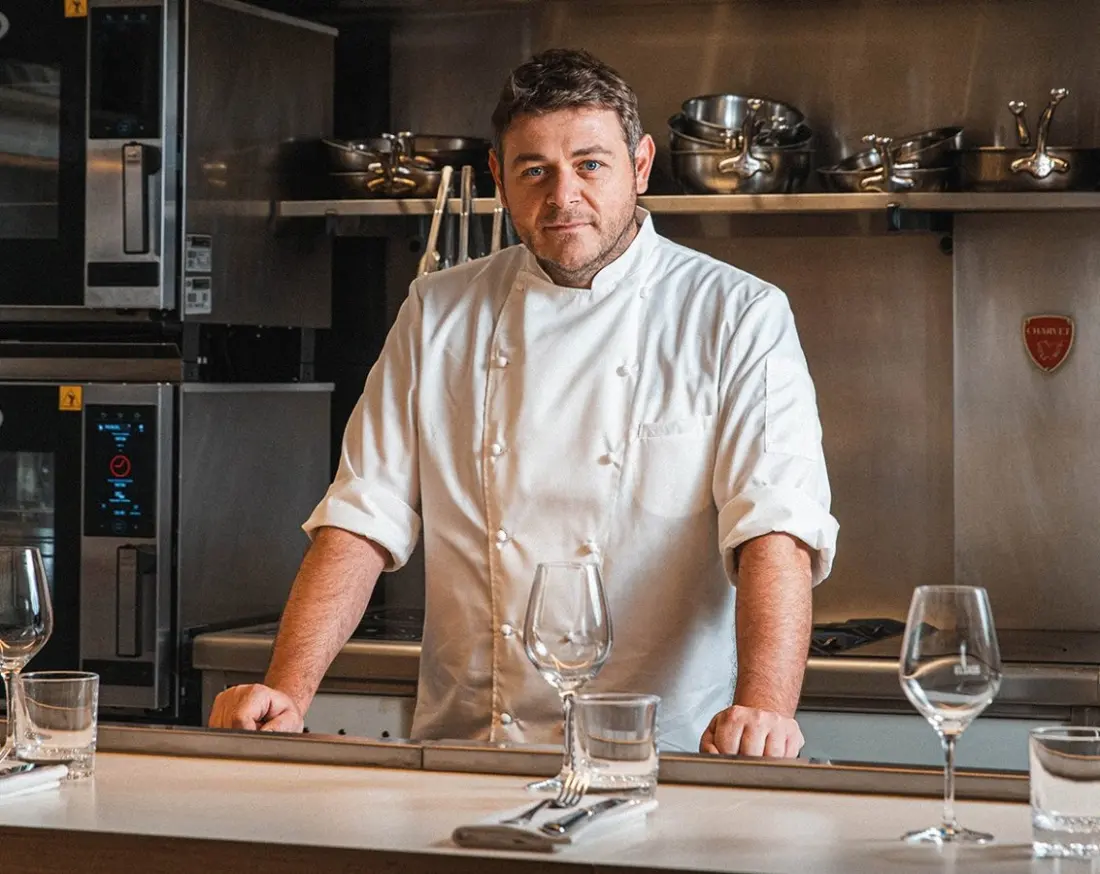
Elsass is a counterargument. Co-owner Guillaume Keusch sources his ingredients himself in Alsace, while chef Michalis Papafilis — whose CV includes stints at La Tour d'Argent, Le Meurice and L'Epicure — brings fine-dining technique to farmyard staples. The result respects the rustic DNA of the Alsatian kitchen without weighing you down.
A meal might start with a miniature Flammekueche, the classic open tart of cream, onions and bacon ribbons, served as an amuse-bouche. The standout is the choucroute moderne: a small rack of roasted pork with grilled pork belly, boudin blanc, sauerkraut beignets and a mustard sauce finished with Lardo di Colonnata. Later in winter, the menu shifts towards richer plates like pan-roasted veal sweetbreads with truffle jus and spaetzle with carbonara sauce. The wines by the glass are excellent, and the service gets a nod too.
Prices are reasonable for this calibre of cooking: lunch menus run €25 and €29, a discovery menu costs €69, and à la carte lands around €70. That's a fair deal for haute-cuisine technique applied to smoky charcuterie and puckery ferments.
For travellers, Elsass doubles as an edible preview of Alsace itself — the northeastern border region famous for Riesling, half-timbered villages and a kitchen shaped by both French and German traditions. If a trip to Strasbourg or Colmar isn't on the cards, this is the next best thing: a single sitting that captures the region's earthy, satisfying food, updated for modern palates. It also fits neatly into a 10th arrondissement wander, an area increasingly known for its canal-side dining and local atmosphere rather than tourist crowds.