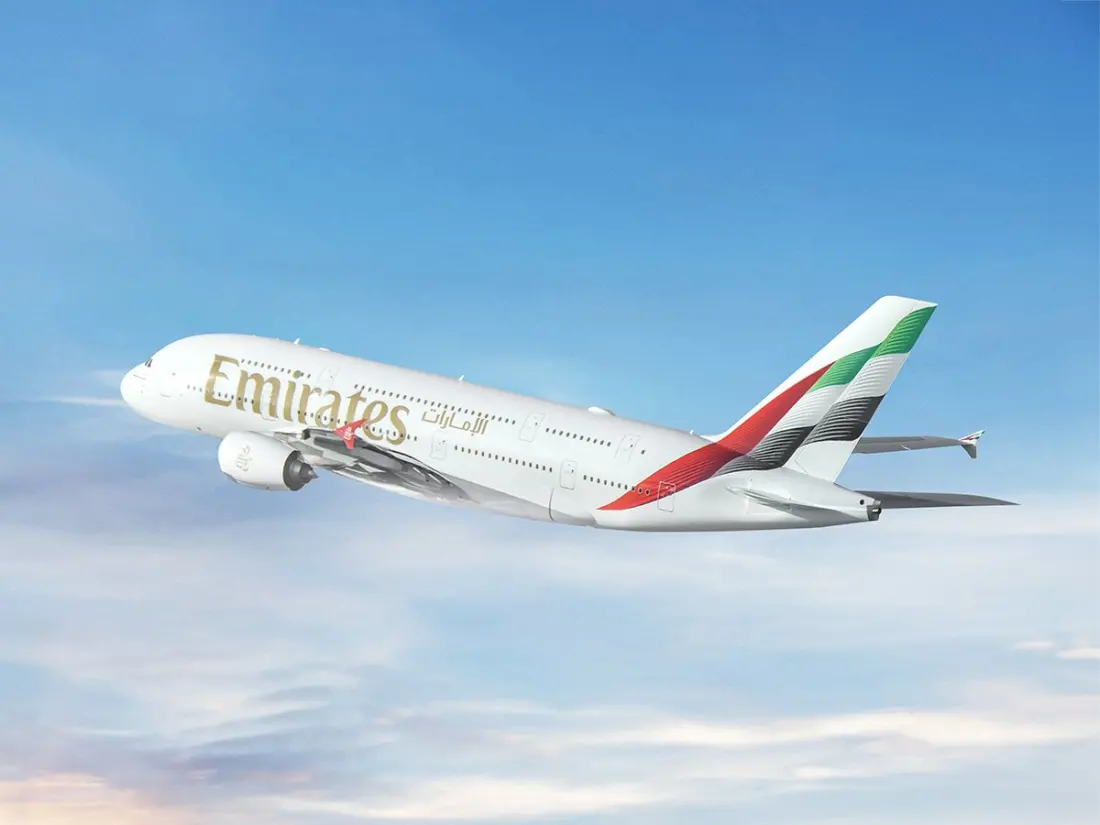
Emirates has taken the number one spot in the inaugural World's Best Airlines 2027 list, a new ranking put together by TIME magazine and Statista. The Dubai carrier didn't just win overall — it also led the Best Value and Business Travel categories, a rare double that suggests it's pleasing both holidaymakers and frequent flyers at once.
The methodology mixes passenger opinion with hard data. Statista surveyed travellers on every continent, asking them to rate up to five airlines they'd flown in the past three years across comfort, service, entertainment, food, value for money and family-friendliness. Those scores were combined with operational performance figures drawn from flight data analysts OAG. Separate sub-lists cover reliability, business travel and long-haul flying.
Europe will feel a bit deflated. No European airline cracked the overall top 10 — the region's first entries land at positions 14 to 17, filled by Turkish Airlines, Finnair, LOT Polish and British Airways. Virgin Atlantic did grab the best long-haul title, with Emirates second, and Qatar Airways won the family-friendly category, keeping Middle Eastern carriers on top there too.
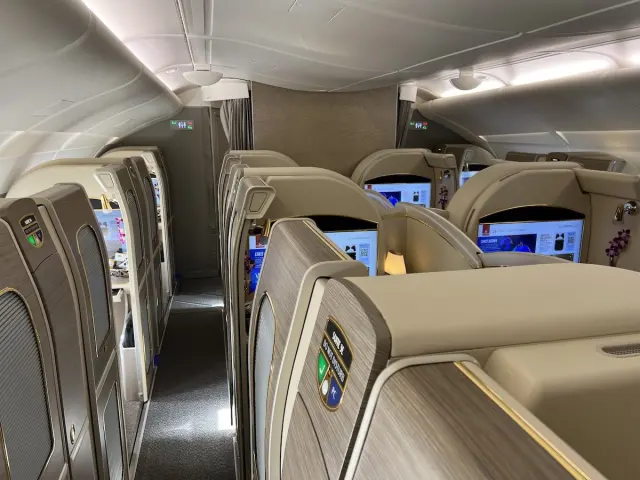
Statista's deputy CEO Niels Terfehr credited Emirates' "consistency" across both passenger experience and operational reliability, while TIME pointed to its premium cabins, expanding Premium Economy and the pull of Dubai as a hub. President Sir Tim Clark says the airline is already pushing towards an even stronger 2027 — and there's money behind that claim. Emirates is halfway through a $7 billion cabin retrofit covering 108 aircraft so far, expects Premium Economy on nearly 100 routes by December 2026, offers free Starlink Wi-Fi across all cabins on 74 planes, and runs 42 lounges worldwide alongside an entertainment system with more than 6,500 channels.
The timing is notable because the wider industry is squeezed. IATA cut its 2026 profit forecast in June to $23 billion on $1.17 trillion of revenue — a net margin of just 2%, roughly half of what was projected before the war in Iran. Costs are growing faster than revenues, with fuel eating 31.4% of operating expenses. Airlines are leaning harder on extras: ancillary income hit nearly $160 billion in 2025, about 16% of revenue and almost double the share from a decade ago. Meanwhile, premium cabins are where the money is — a McKinsey report found a business-class cabin can earn nearly as much as economy on busy transatlantic routes while taking far less space.
For travellers, the takeaway is simple: if you're booking long-haul in the coming year, Emirates is a safe bet on both quality and value, and its Premium Economy rollout means the sweet spot between economy and business is getting easier to find. There's a small surprise in the reliability sublist too — Ryanair, Europe's biggest airline and the poster child for no-frills flying, tops it. Cheap can apparently also mean punctual.