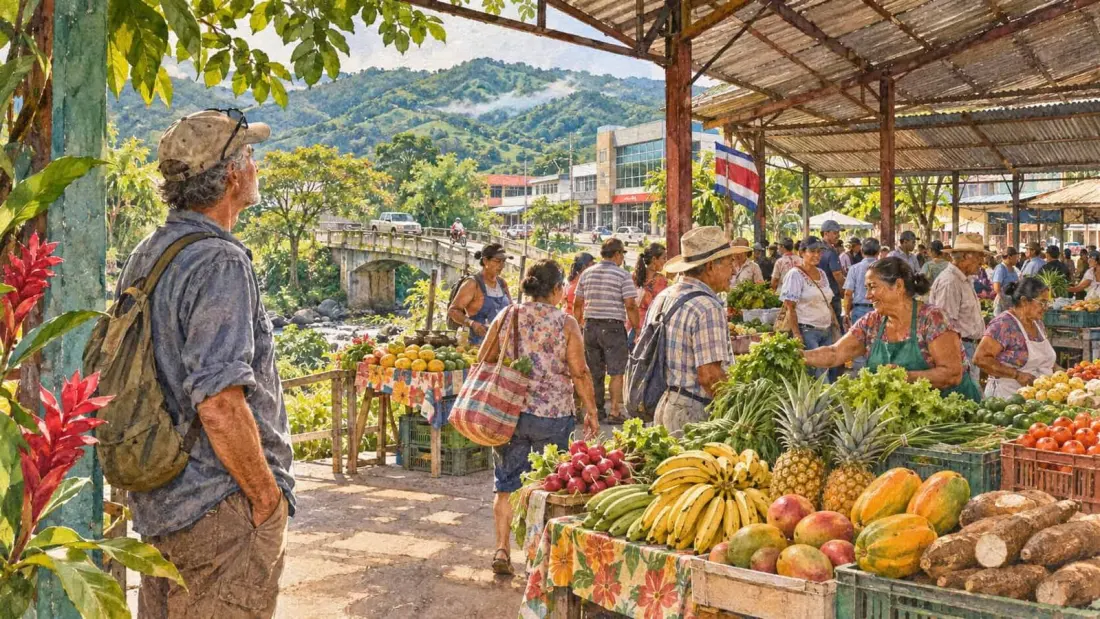
An expat's look back at three decades in Costa Rica is a reminder of how much this Central American country has evolved, and how pockets of the old ways survive in the most ordinary places. Writing in The Tico Times, a long-time resident near San Isidro de El General points to the weekly farmers' market (feria) in Perez Zeledon as a rare constant: same vendors, same layout, same piles of fruit and handicrafts he saw 30 years ago, back when he himself sold homemade bread from a booth there.
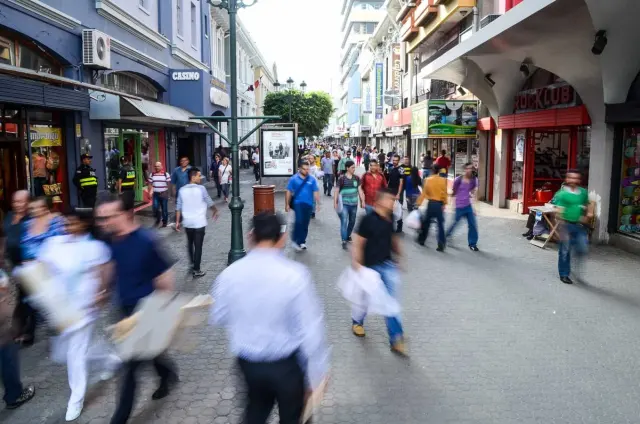
Step outside the feria, though, and the country is barely recognisable. New highways and bypasses cut across the map, thousands of houses have sprung up, and San Jose now wears a skyline of high-rises. Some shifts are practical and welcome: doorways are taller (a relief for anyone over six foot), buses have more legroom, and previously unpaved barrios now have proper streets, even if one-lane bridges persist as relics.
Other changes are quietly nostalgic. The boxy Russian Lada Niva 4x4s have vanished from the roads. Machete-wielding groundskeepers have given way to the drone of weedwhackers. Wood-fired cooking (cocina con leña) has gone from everyday practice to an artisanal offering at upscale restaurants. Street-side money changers shouting "dolares!" have faded, though ironically the dollar has since slumped against the colon. And road-blocking protests, once a respected national tradition, are now illegal.
The economics have shifted too. Medical care remains a draw for visitors and retirees, but the author's old bills read like fiction: $1,100 for a caesarean with a four-night stay and 24-hour nurse in 1991, and $800 for ten nights of emergency intestinal surgery in 1992. Even inflation-adjusted, those totals barely cover a consultation in the US today.
Then there's the "virtually extinct" list, which doubles as a time capsule: $2-a-month visa overstay fines (and $10 bribes to fix them in half an hour), payphone bays standing as modern ruins, handwritten bankbooks from long-defunct Banco Anglo, single cigarettes sold in bars, newspaper vendors on every corner, and the once-ubiquitous free "boca" snack that came with every beer order, sometimes amounting to a full meal after three or four rounds.
For travellers, the useful takeaway is that Costa Rica rewards slow, local exploration. The ferias, cantinas, and weekend markets are where the country's character survives its modernisation, and visiting one is arguably a better use of a morning than another zip-line tour. Health, wellness, and retirement travellers should still note the country's reputation for affordable, quality private medical care, and anyone renting a car should be prepared for those lingering one-lane bridges on rural routes.