If you're planning a road trip around England, the country's much-maligned road surfaces may be in slightly better shape by the time you arrive. The government says almost 7,000 miles of resurfacing work is scheduled for completion this financial year — a distance it cheerfully compares to driving from London to Singapore. That breaks down into roughly 5,000 miles of preventative maintenance, such as surface dressing that stops potholes forming in the first place, plus nearly 2,000 miles of deeper structural repairs.
The Department for Transport says resurfacing volume is up more than 10 per cent on the previous year, with £4.9 billion spent in total. On top of that, councils in England can now claim a share of an extra £220 million — but only if they hit performance-based targets for tackling potholes, a condition intended to stop the old patch-and-repeat cycle.
The numbers suggest the message is landing. Council returns show 94 per cent will complete preventative roadworks this year, up from 76 per cent the year before. Transport secretary Heidi Alexander called potholes a "national embarrassment" that has cost drivers dearly, and argued the combination of record funding and accountability rules is starting to make a difference.
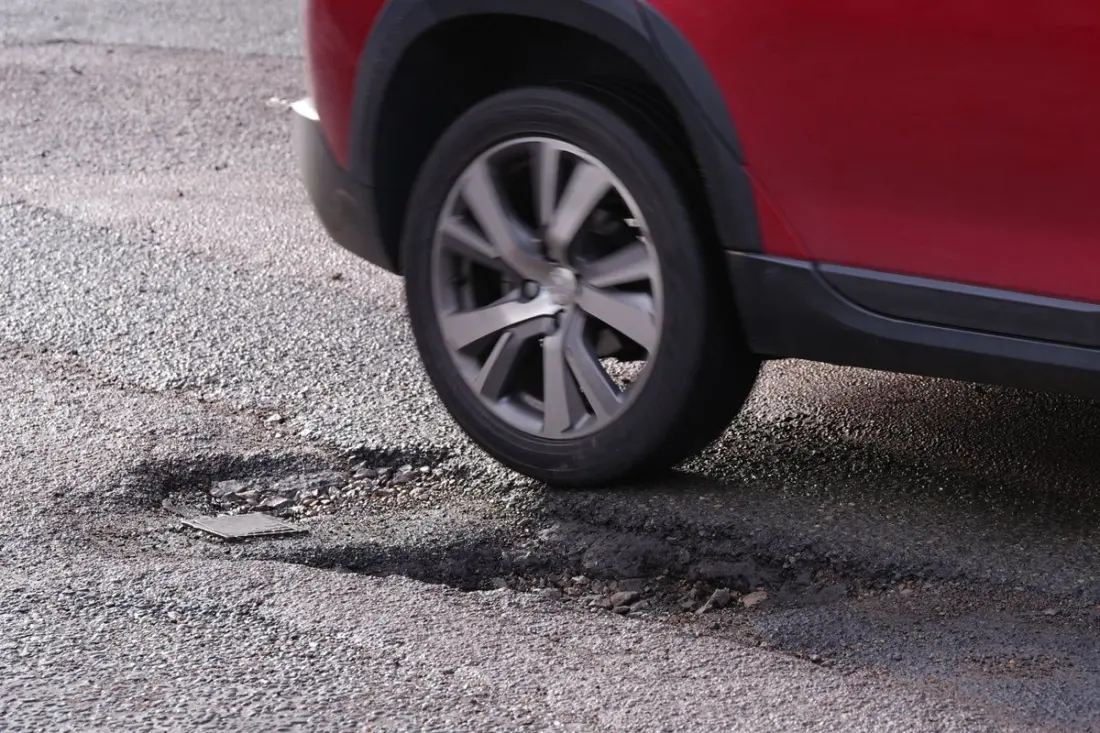
Motoring groups have given a cautious nod. RAC head of policy Simon Williams welcomed the shift towards prevention, noting that surface dressing is a cost-effective way to improve roads long-term — though the real test, he says, is whether drivers actually notice. AA president Edmund King added a note of urgency: pothole-related incidents rose 4.6 per cent between January and September compared with the same period last year, and winter is peak pothole season. Kwik Fit reports that tyres, wheels and suspension take the brunt of the damage, and the RAC puts the average repair bill at up to £590 for anything worse than a puncture.
So why should holidaymakers care? Anyone renting a car, driving a campervan or touring by bike in England knows the difference between a smooth A-road and a cratered country lane — not just for comfort but for safety, especially for motorcyclists and cyclists. More preventative maintenance should mean fewer nasty surprises on rural routes and less wear on hire vehicles, where damage charges can sting. It's a slow fix by everyone's admission, but the direction of travel — so to speak — is finally positive, and with winter approaching, the extra funding arrives at a useful moment.
For travellers, the practical takeaway is simple: roads should gradually improve, but winter remains the riskiest time to hit a pothole. Check hire cars for existing damage before driving off, report serious potholes to the local council (many pay out for verified damage), and take extra care on unclassified country lanes, which tend to be resurfaced last.