Cuenca is heading into its most atmospheric stretch of the year. Around Día de los Difuntos (All Souls' Day, early November), Ecuador's southern highland city fills with altars, purple drinks and bread shaped like babies — and this year's programme gives visitors plenty of reasons to be in town.
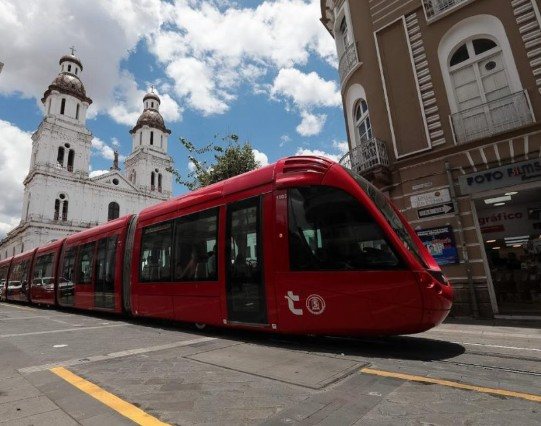
The headline event for food lovers is the first Ruta Morada del Tranvía, running 30 October. It starts at 10:00 at the El Arenal tram stop, with a formal ceremony at noon in the Mercado 3 de Noviembre. Riders get dramatisations about colada morada — the spiced purple fruit-and-corn drink tied to the holiday — plus sales points for the drink and guaguas de pan (bread babies) across five markets: 9 de Octubre, 3 de Noviembre, 10 de Agosto, Feria Libre and the Centro Comercial 9 de Octubre. Home cooks beware: the traditional version takes at least two days, much of it chopping fruit and fermenting blue corn flour.
Culture-wise, the Casa de la Cultura Ecuatoriana Núcleo del Azuay opens "Altares, Ofrendas y Tradiciones" on 29 October at 19:00 in the Salón del Pueblo. Twelve years in the making, it gathers altars from different spiritualities in Ecuador and beyond, in the spirit of the Mexican Día de los Muertos traditions many travellers already know. There's also a nativity scene contest with a 15 November deadline (traditional or recycled-materials categories, $125 top prize) feeding into a December exhibition in the Galería Vitrina.
Earlier, from 23-25 October, plaza San Francisco hosts the third Festival Warmi Rural with more than 150 vendors from rural parishes: crafts, ancestral medicine, live cooking (yes, including cuy) and music — Jaime Enrique Aymara headlines the Saturday, with a children's festival on the Sunday. The San Joaquín parish adds its third Festival de Carnes Asadas, a grilled-meat feast, on 25 October.
Practical notes for anyone flying in: the wall collapse at Mariscal La Mar airport after a jet takeoff on 8 October triggered temporary closures of av. Núñez de Bonilla during departures, and has reignited debate about relocating the airport — height limits near El Ejido, av. Ordóñez Lasso and Huayna Cápac restrict how the city can grow. Flying isn't disrupted, but allow a little extra time around the airport perimeter.
Bus riders should note two changes: lines 11 and 11B are detoured around the sinkhole-closed Camino a Turi via av. 12 de Octubre (with special student schedules morning and night), and line 16 now stops at av. 24 de Mayo and Rayoloma for the IESS Hospital. A new route to Patrón Santiago runs from 5:50 into El Centro and back at 19:15, and the Ochoa León-Tixán route is now permanent.
For travellers, this is peak Cuenca: a walkable colonial centre, a tram connecting it all, and festivals where the food and rituals are genuinely local rather than staged. If you've only ever seen Day of the Dead through a Mexican lens, Cuenca's version — colada morada in hand, altars in every market — is a compelling alternative.