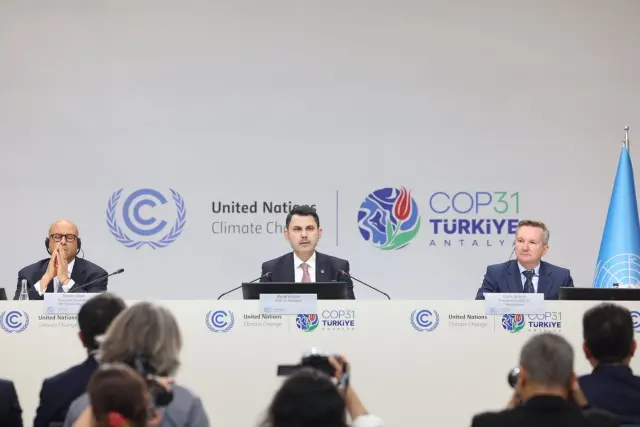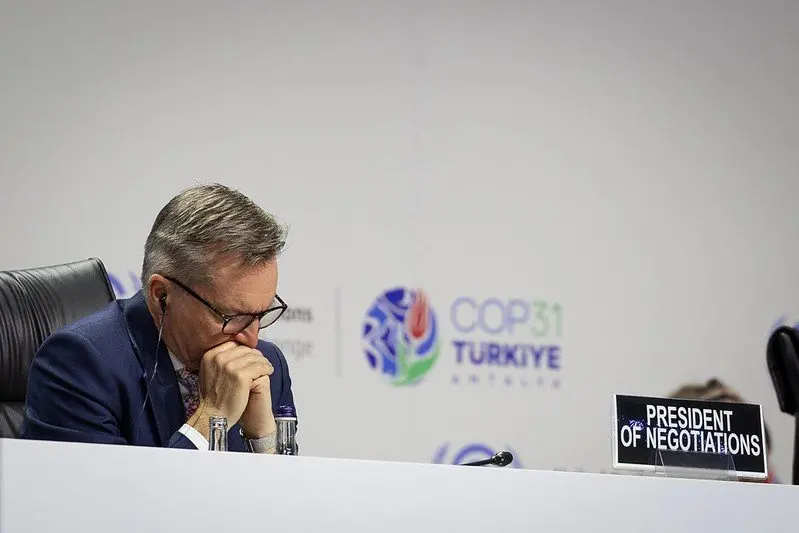
The Antalya Pact was meant to be the headline outcome of COP31: a package pushing electrification, clean energy investment, climate finance for vulnerable places, and an honest admission that the Paris Agreement's 1.5C target has been overshot. Instead, the talks closed with no agreement at all, and the travel industry is left without the clear policy signal many destinations were counting on to plan their climate resilience work.
The sticking point was glaring. The draft final text did not mention fossil fuels once — a striking step backwards from COP28, where their role was explicitly recognised. On top of that, the pact leaned heavily on carbon capture and storage, a technology favoured by petrostates and widely criticised as a way to keep burning oil and gas under a green label.
Several governments decided that was a line too far. Ireland's climate minister Darragh O'Brien and European Commissioner Wopke Hoekstra said plainly they would not back a cover decision that ignored fossil fuels, calling it negotiating backwards in time and refusing to accept a COP that greenwashes fossil fuels. For them, no deal was preferable to a bad deal that would quietly weaken the Paris Agreement.
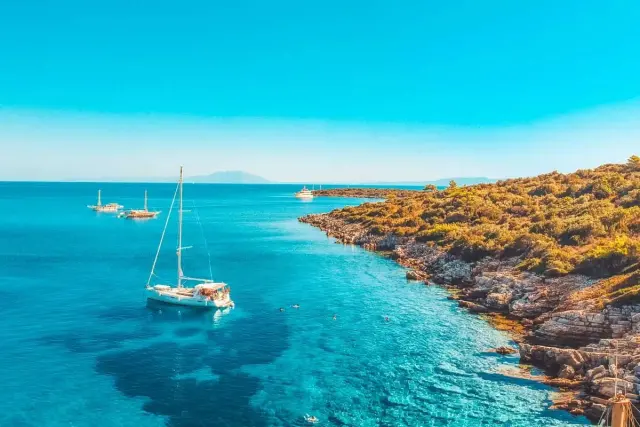
So what does that mean for the places people actually visit? Quite a lot, indirectly. Coastal destinations, island nations and mountain regions rely on international frameworks like this to unlock climate finance — money that funds sea defences, water systems, wildfire preparation and infrastructure upgrades that keep tourism viable as heatwaves, storms and rising seas intensify. Without a agreed framework, the flow of that funding becomes slower and less predictable, and destinations have a weaker mandate to push through their own resilience plans.
The debate now splits into two camps. One sees the collapse as a genuine setback: destinations needing investment and coordination have lost their anchor document. The other argues a watered-down pact that ignored the root cause of warming would have done more harm than good, locking in false solutions and undermining the Paris framework that destinations' own climate strategies are built on.
For travellers, the practical takeaway is that climate risk planning at your destination is increasingly shaped by politics as much as weather. If you have trips booked to climate-exposed places — low-lying islands, Mediterranean coasts in high summer, fire-prone regions — it's worth checking local advisories and travel insurance coverage, since the support systems behind those destinations just got a little less certain.