Off Estonia's Baltic coast, a 30-minute ferry ride from Munalaid harbour, lies Kihnu — an island where women wearing striped woollen skirts aren't in costume for tourists. The skirts are everyday dress, and they carry meaning: certain colours signal mourning, married women add an apron, and a hidden pocket beneath the skirt is reached through a slit at the side. Details like these are easy to cycle past until a local explains them.
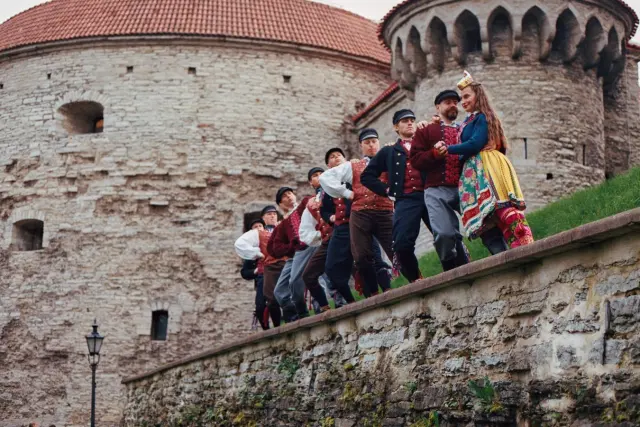
The island's culture has deep roots in its geography. For generations, Kihnu's men left for long stretches to fish and hunt seals, leaving women to run farms, raise families and keep songs, dances, crafts and ceremonies alive. That split shaped a matriarchal community — local guide Mare Mätas describes Kihnu as centred on its women — though the men's voyages left their mark too, bringing home new songs and clothing styles from abroad. In 2008, UNESCO recognised the Kihnu cultural space, together with neighbouring Manija island, on its Representative List of Intangible Cultural Heritage.
Some of the island's oldest songs are runic songs, an oral tradition older than Christianity, traditionally sung at weddings. Old-style weddings have become rarer, but the tradition isn't dying out quietly: at Kihnu's kindergarten and primary school, children learn folk songs and dances, instruments, handicrafts and even the local Kihnu dialect. Since teenagers head to the mainland for high school, those early island years carry the weight of keeping the culture going.
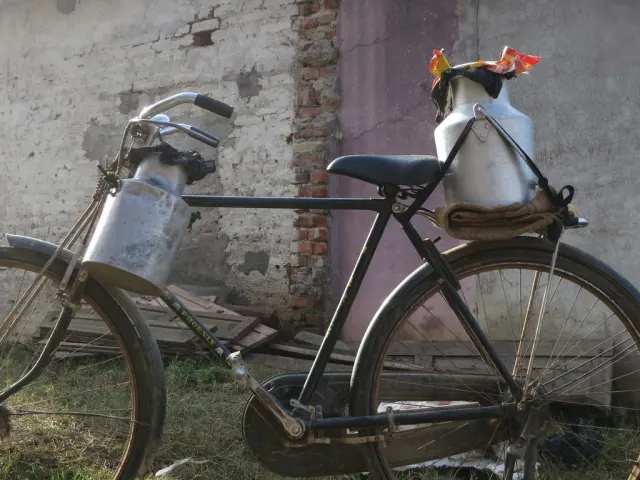
For visitors, Kihnu is a straightforward day trip or slow overnight escape. Ferries run from Munalaid harbour, roughly 40 km from Pärnu and reachable by bus if you're car-free — but check bus and ferry timetables together, especially for a same-day return. Once on the island, rent a bike at the harbour and tackle the 23 km Kihnu Travel Wheel, a loop linking the island's four villages. The cast-iron lighthouse on the southern tip is a natural waypoint; it opens seasonally if you want the climb.
The stop worth building your day around is the Kihnu Museum in Linaküla, housed in the island's old schoolhouse, with displays on seafaring, handicrafts and traditional dress. Staff can arrange guided tours or workshops, and it's where those stripe-and-apron details suddenly make sense. Knowing what the clothing says turns a bike ride into a moving story about the women who have kept this island's identity alive for centuries.