Every 20 November, Mexico marks the anniversary of the Revolution of 1910-1917 — and if you want to understand what that decade actually felt like, rather than memorising dates and generals, there's one short novel worth packing: Mariano Azuela's Los de Abajo, published in English as The Underdogs.
The story opens with the historical backdrop. On that date in 1910, Francisco I. Madero called for an uprising against long-serving dictator Porfirio Díaz, campaigning under the slogan "effective suffrage, no re-election." Díaz fell, Madero briefly took the presidency, and then the country splintered into a decade of shifting alliances and bloodletting. The famous names — Madero, Francisco Villa, Emiliano Zapata, Venustiano Carranza, Álvaro Obregón — were sometimes allies, sometimes rivals, and every one of them died at the hands of enemies. On the villain side of the ledger sit Díaz and Victoriano Huerta, the general who toppled Madero and is widely blamed for his murder.
Azuela doesn't bother with those big names beyond a passing mention. Instead he follows Demetrio Macías, a fictional rebel leader dragging a ragtag band across the countryside. Welcomed as heroes at first, his men soon pillage towns for "advances" on wages that will never be paid, and end up as resented as the federal army they fight. Around Macías circle a cast of unforgettable types: Luis Cervantes, the idealistic and initially naïve student; the murderous güero Margarito; La Pintada. The novel shows both the light and the dark of the insurgency.
There's a bitter irony at the heart of the book. A couple of military wins are enough for Macías to climb the rebel ranks, but as allegiances flip — as they constantly did during the Revolution — it becomes clear he doesn't much care who he's fighting. The title itself is hard to translate: The Underdogs works in English, but the Spanish literally points to "those at the bottom," the lower classes the war was supposedly fought for.
Azuela knew his material first-hand. A native of Jalisco, he was a writer and a doctor, and he served in the ranks under Villa himself. That grounding is what makes the novel feel so immediate — it's war as experienced by exhausted men on horseback, not by presidents.
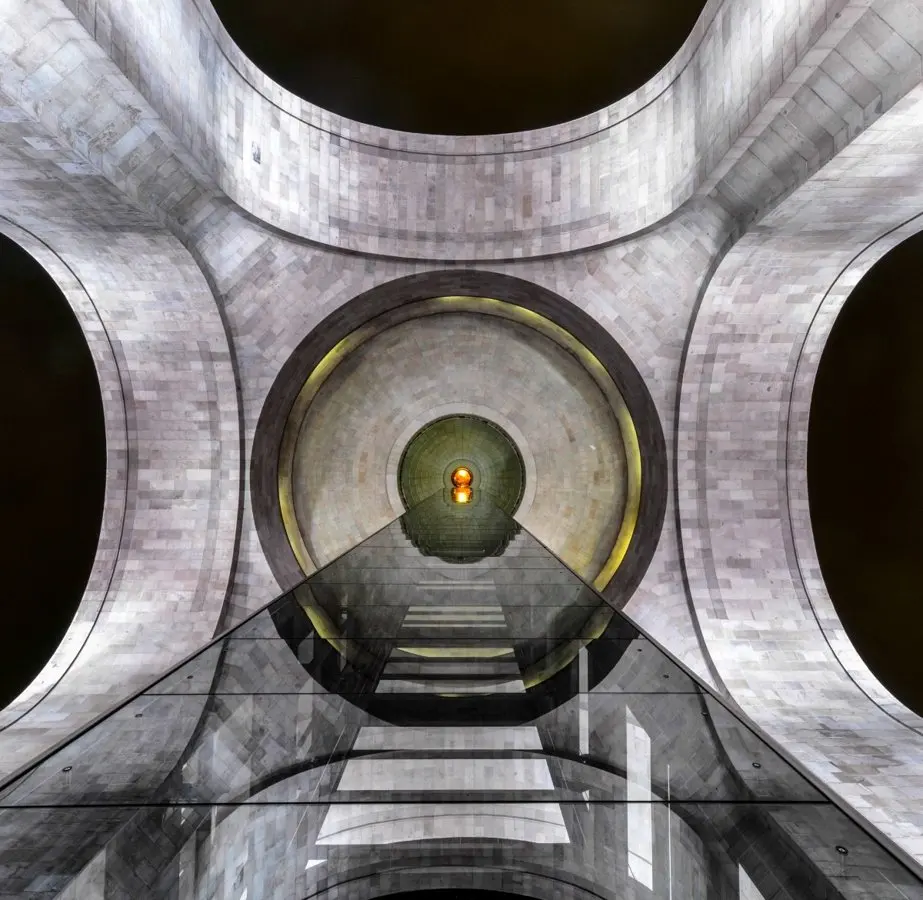
Why should a traveller care? Because the Revolution is everywhere in Mexico: in monuments, murals, museum halls and that 20 November holiday. Standing before the illuminated Monument to the Revolution in Mexico City, or watching the military parades, you'll get far more out of it if you've seen the conflict through Azuela's eyes. It's a slim book, easy to read before or during a trip, and it pairs perfectly with Diego Rivera's murals at the National Palace or the Zócalo on a history-focused city break.
Credit: Mexperience