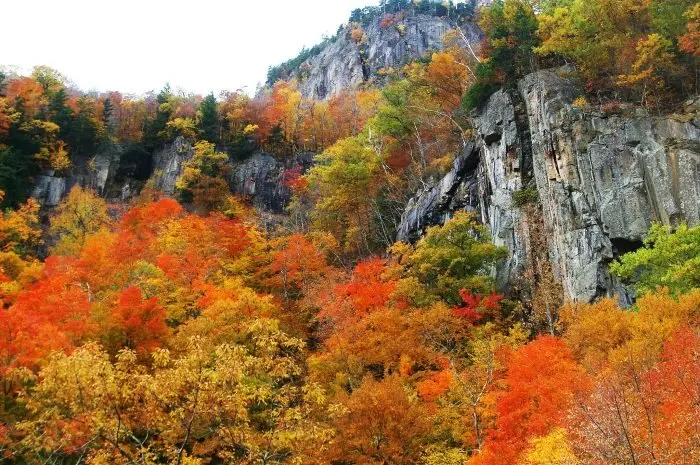
Summer's crowds have gone home, the leaves are turning, and the trails are quieter — which is exactly why many hikers consider October and November the best months of the year to be out overnight. But autumn backpacking does ask a little more of you than a July weekend trip does. Here's what to think about before you go.
**Weather swings are the big one.** Autumn is a season of transition, and temperatures can lurch from 80°F to freezing within a couple of days — even more dramatically in the mountains. A useful rule of thumb: subtract about 5°F for every 1,000 feet you climb. The gap between a 45°F trailhead and a 30°F ridgeline matters far more in November than the same gap does in July, especially if you've sweated through rain on the way up. In northern ranges like the Whites or the High Sierra, snow is possible from September onward.
**Your sleep system is where to invest.** A sleeping bag comfort-rated to around 15°F, an inflatable pad with an R-value of at least 5, and a foam pad underneath for extra ground insulation are the difference between a cozy night and a miserable one. Add merino base layers, thick wool socks, a beanie, gloves, and a puffy — and don't skip the stove. Hot coffee or cocoa isn't just morale; it genuinely helps ward off a chill.
**Shorter days reshape your plan.** After the September equinox, nights stretch longer fast, so either trim your mileage or start early and keep breaks brisk. Bring a reliable headlamp and a battery bank just in case.
**Check hunting season.** Rules vary by locality, so look up the regulations for wherever you're hiking and toss in some blaze orange. It weighs nothing and could matter a lot.
**Expect shuttered services and real solitude.** Hostels, camp stores, shuttles and even restaurants in popular parks — including Shenandoah's Wayside stops — often close right after Labor Day, so confirm anything you're counting on for resupply. And once peak color passes, trails that were jammed in August can be nearly empty. Some people love that; others find it unnerving. Know which one you are, and pack a book if you're camping alone.
None of this makes autumn trips expert-only territory. A November overnight in the southern Appalachians is very doable with modest extra gear, while the Rockies or Sierra in the same month edge toward winter mountaineering. Pick your range accordingly, pack for a wider band of conditions than you would in summer, and you'll get quiet trails, sharper views through bare trees, and some of the best camping of the year.