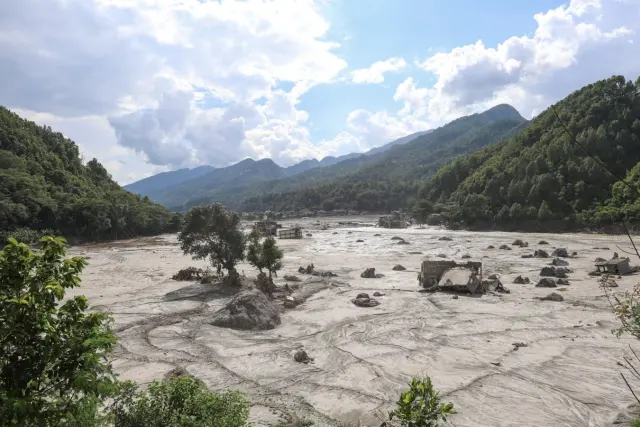
Nepal's devastating August ice-rock avalanche, which sent a debris flood down the Trisuli Corridor and claimed thousands of lives, has done more than scar the country's infrastructure. It has pushed Kathmandu into a much louder role on the global climate stage — and one ambitious idea is now on the table: hosting the UN climate summit, COP38, in 2033.
The argument runs like this. Nepal contributes almost nothing to global emissions but sits on the frontline of glacier melt and mountain disasters. Since the Trisuli flood, Prime Minister Balendra Shah has devoted his entire UN General Assembly address to climate justice, while Finance Minister Swarnim Waglé pursues international support for a recovery bill estimated at $5 billion. If Nepal is going to keep asking the world for help, the thinking goes, it should also claim the stage itself.
Why 2033? The Asia-Pacific region's earlier realistic slot, COP33 in 2028, leaves too little prep time. But 2033 carries symbolism money can't buy: it marks 80 years since Tenzing Norgay and Edmund Hillary first summited Everest. The proposal suggests branding the year 'The Year of the Himalaya' and framing any summit outcome as a 'Himalayan Compact for Climate Justice'.
There's a serious long game here. Nepal wants to start lobbying at COP31 in Antalya, Türkiye, where the Asia-Pacific host for COP33 will likely be chosen — trading its vote for reciprocal backing later. The plan also calls for teaming up with small island states (AOSIS) and landlocked mountain nations like Armenia and Kyrgyzstan to form a mountain-plus-ocean bloc pushing for faster emissions cuts and a better-funded Loss and Damage Fund, including a dedicated fast-response window for catastrophes like glacial outbursts.
The elephant in the room is logistics. sceptics will question whether Nepal can house and move thousands of delegates. The answer proposed is refreshingly practical: use the seven-year runway to upgrade Kathmandu, Pokhara, Lumbini and the Everest region into genuine international conference destinations — no throwaway 'COP city', but lasting venues, hotels, airports and transport built to low-carbon standards.
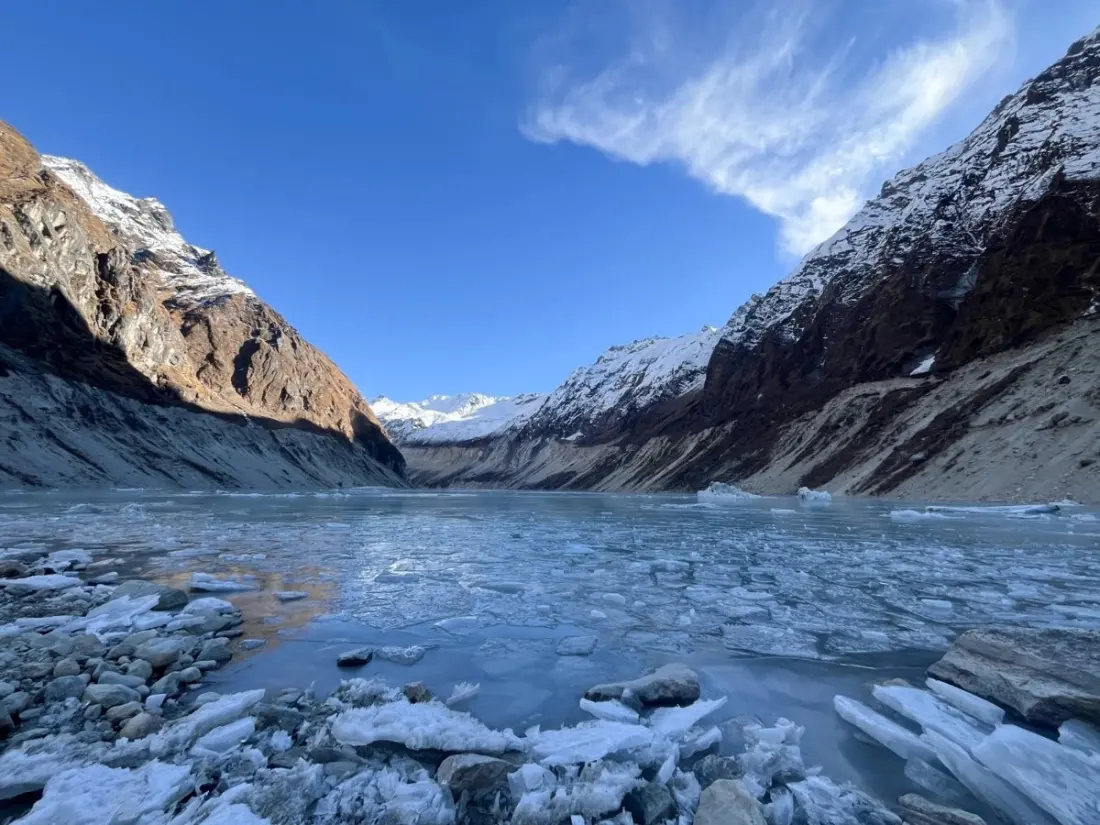
For travellers, the knock-on effects are worth watching. A successful bid would mean serious investment in convention centres, airport capacity and hotel stock in Nepal's main tourism hubs over the coming decade, plus better disaster-resilient infrastructure along river valleys. Regional cooperation on a proposed Himalayan Climate Resilience Mechanism — shared early-warning systems and glacial lake monitoring between Nepal, India and China — could eventually make trekking and mountain travel safer too.
Whether or not the summit lands in Kathmandu, Nepal is positioning itself as the voice of the world's high-mountain regions, and it has a credible story to tell: net-zero by 2045, an ambitious national adaptation plan, a thriving community forestry programme and a fast-growing electric vehicle fleet. Hosting COP38 would be the capstone — a country showing climate resilience rather than just requesting it.
First reported by Nepali Times