Day 13 of a Camino de Santiago pilgrimage starts at 5:00 AM, in a cold forest lit only by a sliver of moon and a sky full of stars. The writer and their trail companion (going by 'Knockerz') left before anyone else in the albergue woke, racing the sunrise over a 26-kilometre stage from San Juan de Ortega to the city of Burgos. They've now clocked 176.8 miles of the route.
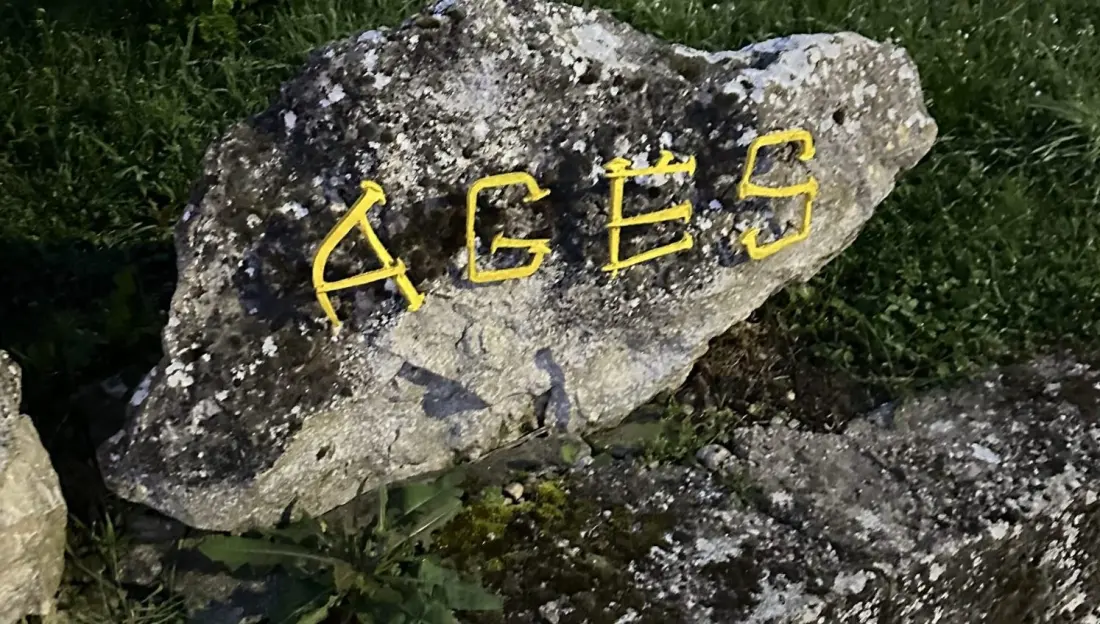
The pre-dawn dark woods set the mood. With frogs chirping and an owl hooting in the distance, the pair found themselves thinking about the pilgrims who walked this exact path centuries ago, afraid of bandits, wolves, or witches. A sudden crash in the trees turned out to be a free-roaming horse, not a monster. By 6:30 AM they were passing through the silent medieval village of Ages, then a stone memorial to a battle fought in 1054, and on to Atapuerca, a UNESCO World Heritage Site where an extraordinary share of Europe's ancient human fossils has been unearthed, including remains of an early human species that appears to have practised cannibalism.
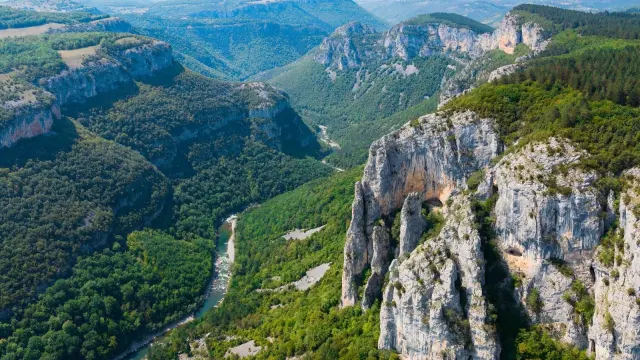
After a roadside breakfast of leftover pizza (nothing was open yet), came a steep, rocky climb gaining roughly 500 feet per mile. At the summit, marked by memorial stones and an iron cross, the clouds parted for the first proper look at the Meseta, the vast plateau many pilgrims dread, with Burgos visible ten miles away. They took a quieter alternate route via the hamlet of Villaval, past church ruins with a centuries-old bell still hanging in its tower, before finally finding an open café in Cardenuela Riopico, where overheard chatter warned of a storm arriving around 11:00 AM.
They beat it, mostly. The route into Burgos runs through farm fields, around a fenced airport, and through an industrial edge before joining a tree-lined riverside path. One practical detour worth noting: a pharmacy stop where a prescription-only medicine that would cost $125 in the US was sold over the counter for $10. The cold rain arrived at about 50°F just before the old city gates, but the reward was a warm café, a $130-a-night hotel room with a direct view of Burgos Cathedral, and an evening mass in a side chapel featuring a statue of Christ fabled to grow hair and need the occasional trim.
For anyone considering the Camino Francés, this stage is a good snapshot of what the walk actually feels like: long pre-dawn starts, quiet villages where nothing opens until mid-morning, alternates between dirt path and road, and an urban finale that can feel bleak before the medieval centre redeems it. Burgos itself, the grandest city since Pamplona on this route, makes a natural rest day with its UNESCO-listed Gothic cathedral as the centrepiece. The story comes from The Trek.