Summer crowds are gone, the air has a bite to it, and the wildlife is putting on a show. Autumn is arguably the smartest season to visit the US national parks, and a new round-up makes the case park by park. Here's the state of play.
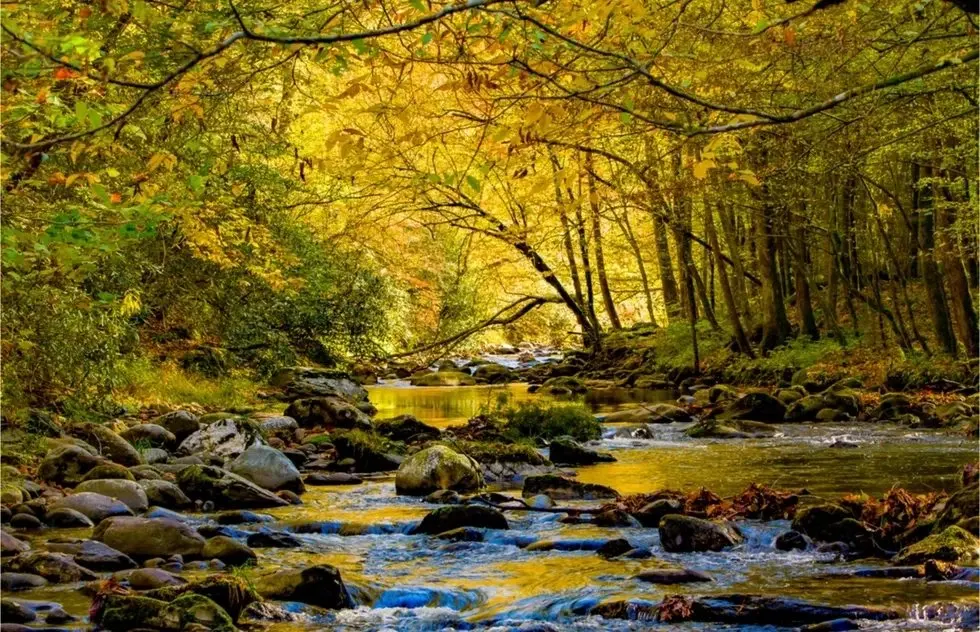
If foliage is the goal, Great Smoky Mountains on the Tennessee–North Carolina border is the classic pick: it has more than 100 native tree species (most parks have fewer than 20), which makes for an unusually varied colour display. UNESCO listed it in 1983 for biodiversity — around 10,000 species, roughly 1,000 found nowhere else. Shenandoah in Virginia is the other leaf magnet, with Skyline Drive and a range of elevations that stretch the colour season; the Park Service even posts daily foliage livestreams. Acadia in Maine starts earliest — aim for mid-October — and layers in whale-watching, lighthouses and lobster.
Elsewhere, fall is less about leaves and more about comfort. Desert parks like Utah's Arches and Arizona's Saguaro are brutal in summer and freezing in winter, but October brings mild days: Arches has 2,000-plus stone arches and fins plus easy access to Canyonlands, while Saguaro averages 70°F in October and pairs with Tucson's fall festivals. The Everglades improve too — November kicks off Florida's dry season, so insects drop and baby alligators appear.
Then there's the rut. Rocky Mountain National Park in Colorado turns into nature's soap opera each autumn as elk bugle, clash and shuffle their harems across Moraine Park, where a 5.5-mile loop trail circles the meadow. Go late September to early October — the park's high elevation means colours fade fast. Grand Teton offers golden aspens and the National Elk Refuge alongside 200 miles of trails, and most visitors bolt it on to Yellowstone next door.
Quieter picks: Badlands in South Dakota cools to the 60s and 70s and yellowing grasses make bison and pronghorn easier to spot (Deadwood's Halloween is locally called "Deadweird"); Big Bend in Texas has more bird species than any other park plus some of the darkest night skies in the country; Congaree in South Carolina finally escapes its summer humidity, revealing a forest of champion trees over 130 feet tall; and Ohio's Cuyahoga Valley — where the once-flammable Cuyahoga River has been cleaned up — adds canal towpaths and a scenic railroad to its October colour.
Who's this for? Anyone flexible enough to travel shoulder-season: you get cooler hiking weather, thinner crowds and better wildlife sightings, often at lower lodging prices than summer. The main trade-off is shorter days and, at high elevations, early snow. Pick one park as an anchor — Smokies for foliage, Rocky Mountain for elk, Everglades for winter-escaping — and build a road trip around it.