A federal judge has temporarily stopped one of the biggest shake-ups in the history of US public land management. On October 13, US District Judge Vince Chhabria blocked the Department of Agriculture from going ahead with plans to move the Forest Service headquarters from Washington, DC, to Salt Lake City, close its nine regional offices, and relocate staff — at least while a lawsuit brought by unions, local governments and conservation groups plays out.
The restructuring, announced in March, would have replaced the nine multi-state regional offices with 15 state-based offices, shut down 23 research facilities and consolidated science operations in Fort Collins, Colorado. Forest Service Chief Tom Schultz framed the plan as a way to cut bureaucracy and bring decision-making closer to the ground. Utah's political leadership, including Governor Spencer Cox, backed the move and called the ruling a setback for what they see as more sensible, locally grounded management.
Judge Chhabria's 40-page order didn't judge the policy itself. Instead, he found the department was likely breaking congressional spending restrictions by using appropriated funds to close offices and force relocations. Those restrictions expire on December 11, so the reprieve could be short-lived depending on what Congress does next. The USDA says it is reviewing the decision and will respond in court, and the underlying lawsuit remains live.
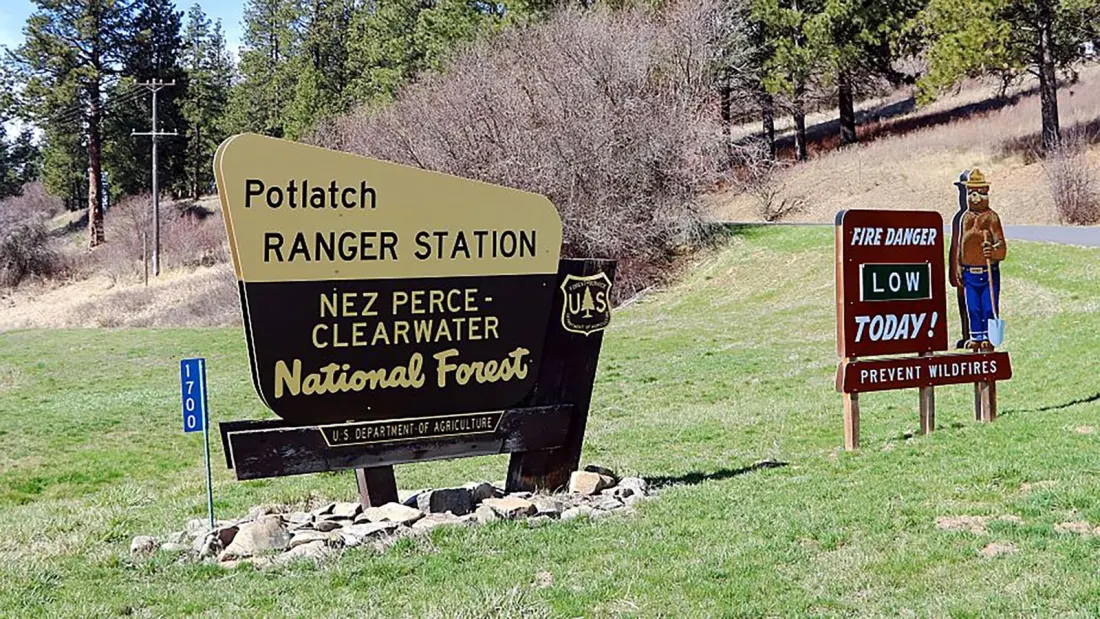
Why should hikers, campers, climbers and skiers care? The Forest Service manages 193 million acres across 154 national forests and 20 national grasslands — the backbone of outdoor recreation in the American West and beyond. Erik Molvar of Western Watersheds Project, one of the plaintiffs, argues that dismantling regional offices would hollow out the agency's ability to enforce environmental rules, and that state-level control could open the door to more logging, overgrazing and degraded recreation experiences. For now, nothing changes on the ground: trails, campgrounds and access remain as they were. But if the reorganization eventually proceeds, it could reshape how millions of acres are managed for years.
The outcome matters most for anyone planning trips to US national forests in the coming years — from Utah's Wasatch trails to California's Sierra Nevada. A weaker or restructured agency could mean thinner staffing for trail maintenance, fire mitigation and permit systems. Keep an eye on the December 11 deadline in Congress; that's the next pivot point in this fight.