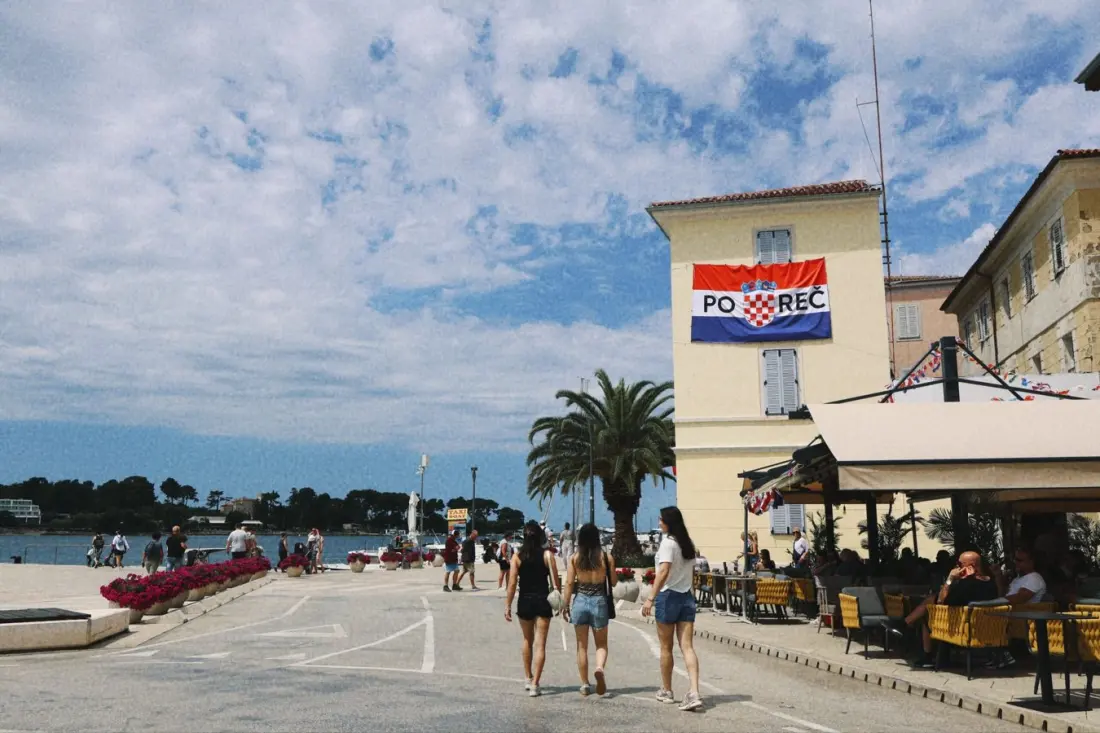
Croatia's tourism establishment has a blunt message for anyone hoping the Adriatic will stay a bargain: it won't happen. Speaking at the 38th Congress of Hospitality Operators and Tourism Workers, held at the Parentium Plava Laguna hotel in Poreč, State Secretary for Tourism and Sport Monika Udovičić said Croatia should never position itself as the Mediterranean's cheapest destination. Instead, she argued, prices must be justified by quality and authenticity — a deliberate comparison with heavyweight neighbours Italy and Greece, both of which invest heavily in their tourism sectors.
The three-day gathering brought a record number of craft and hospitality business owners together with senior officials, and the mood was mixed. HOK president Dalibor Kratohvil pushed back against the idea that operators are profiteering, saying rising energy, supply and labour costs are squeezing margins, and that recent price rises were about survival, not wealth. The state, meanwhile, has walked back some of this summer's controversial price-list reporting rules, and a new Hospitality Activity Act taking effect in early 2027 promises a tougher line on unregistered competitors plus simpler digital procedures.
There was good news on the demand side. Fresh data from the Croatian National Tourist Board's new TOMAS survey puts average tourist spending at €160 per person per day, up 16 percent in a few years. Americans lead the spend table at roughly €280 daily, with Brits close behind at €248 — a reason Zagreb keeps investing in air routes and digital marketing to those markets. Notably, 68 percent of visitors choose mid-priced restaurants, so the value-for-money equation still matters enormously to most holidaymakers.
The congress also underlined how central Istria is to all this. The peninsula generates about a third of Croatia's total tourist traffic, with 29.5 million overnight stays in the first nine months of the year, and its food and wine scene is cited as a key reason people come. But the sector has a staffing problem: foreign workers are now essential to keeping hotels and restaurants running, and Istria is launching a regional support network to help them integrate — partly to preserve the famous Istrian hospitality amid language barriers. There's even an 180-year-old tourist brochure in the Poreč museum to prove the region has been welcoming visitors since long before package holidays existed.
For travellers, the takeaway is that Croatia is consciously moving upmarket. Expect prices closer to Italy than to value-focused alternatives, but also a real push on quality — especially in Istria's konobas, wineries and farm-to-table dining, where small family businesses are the backbone. If your trip revolves around eating and drinking well rather than rock-bottom costs, that shift works in your favour. If you're on a tight budget, shoulder-season dates and inland Istria will stretch your money further than July in a marina town.
Story via Total Croatia.