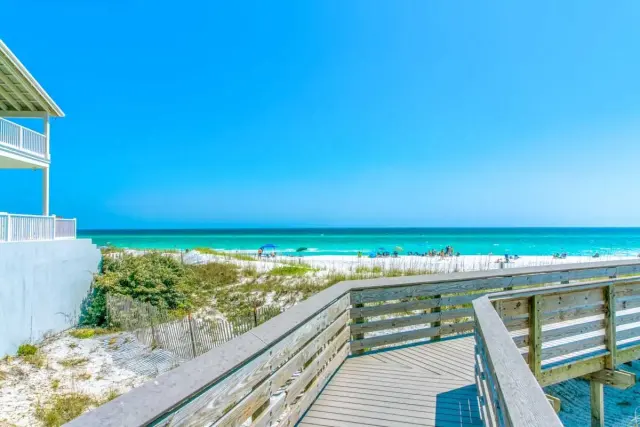
Florida has dominated American retirement plans for decades, but it isn't for everyone — and it isn't cheap. For those after a slower, greener and far more affordable later life, an unlikely contender is emerging: Clarke County, Alabama. Stacker recently ranked Alabama's counties for retirement-readiness using Niche data, and Clarke County earned an A-, placing it among the state's top 20, with strong marks for cost of living, weather and outdoor recreation.
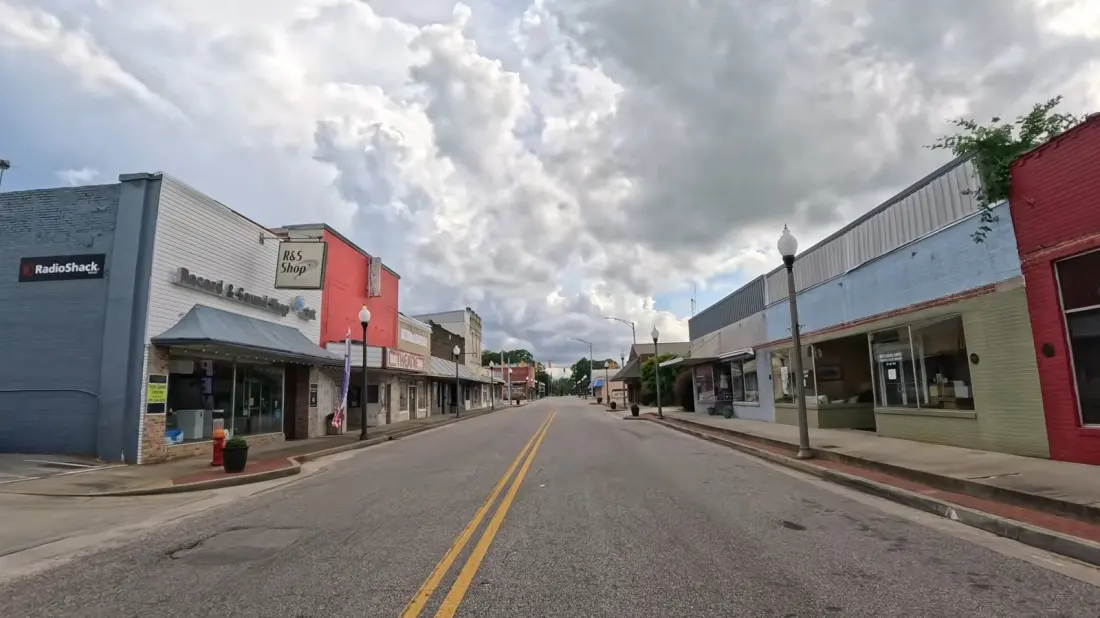
This is a sparsely populated corner of the state with just under 22,000 residents, so undeveloped nature is the default setting rather than the exception. Jackson — the county's largest town — and the county seat Grove Hill tied as the best places to live there, with Thomasville close behind. Mobile is about 90 minutes away, with Montgomery and Birmingham an afternoon's drive further, so airports and city amenities remain within reach.
The outdoor options punch well above the county's size. Fulton Recreational Park Trail is a short, scenic loop through bird-filled woods that makes hitting a daily step count effortless. Silver Creek Park near Whatley is a favourite with birders year-round and doubles as a camping spot, with the creek itself open to paddling, swimming and fishing. Anglers and paddlers are spoiled further afield: Parker Lake offers kayaking, birdwatching, fishing and hunting for deer, hogs, turkeys and quail; Coffeeville holds a reservoir of more than 8,000 acres stocked with bass and crappie; and Claiborne Lake is the pick for catfish.
But the real headline is economics. The average home value in Clarke County sits at roughly $141,000 — more than $200,000 below the US national figure and nearly $100,000 under Alabama's own average. MIT's Living Wage Calculator suggests a single person needs just $7.67 an hour to live above the poverty line there, and a couple $10.40. With average Social Security payments topping $2,000 a month from 2026, benefits alone can fund a comfortable life — and Alabama's Department of Senior Services adds discounts and programmes on top.
The trade-off is remoteness and quiet. There are no beach bars, golf resorts or cruise ports here — just woods, water and small towns. That's precisely the appeal for retirees who want their money to stretch and their mornings to start with birdsong rather than traffic. Anyone nearing retirement and priced out of the Sunshine State's boomtowns would do well to put this corner of Alabama on the shortlist.