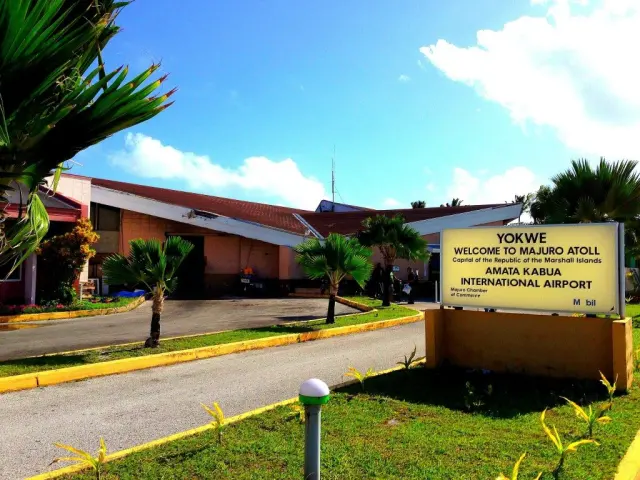
On a tiny islet in the Marshall Islands in January 2014, two locals found a naked, badly dehydrated man babbling in a language they didn't understand. He turned out to be José Salvador Alvarenga, a Salvadoran fisherman who had just survived 438 days adrift in the Pacific — one of the longest solo survival stories ever recorded.
It began in late 2012 as a routine fishing run off Mexico. Alvarenga and his companion, Ezequiel Córdoba, were caught in a violent storm within hours of setting out. The storm knocked out their engine and radio, leaving them powerless to steer or call for help. Ocean currents did the rest, pushing their small open boat further and further into the Pacific.
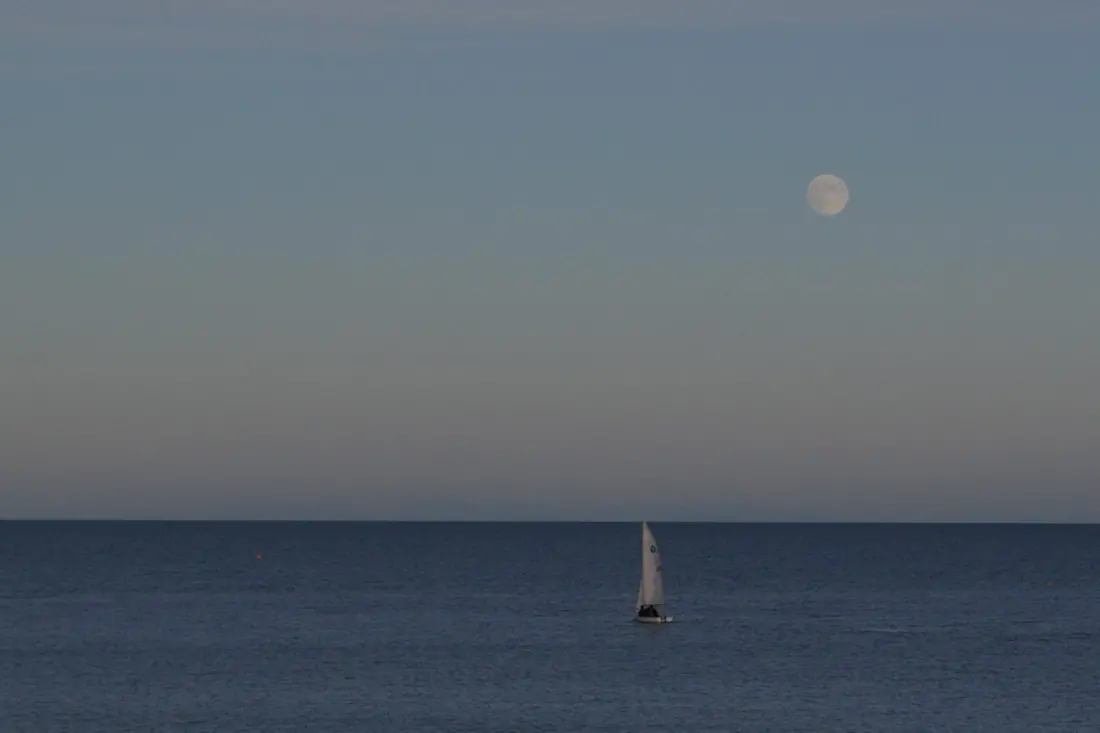
The two men survived on whatever landed within reach — fish, seabirds, turtles — eaten raw, with rainwater collected during storms for drinking. Then, about four weeks in, Córdoba fell seriously ill, stopped eating, and died. Alvarenga faced the rest alone: more than a year at sea, no calendar (he tracked time by the moon's phases), scorching sun, and no rescue in sight. During dry stretches he drank his own urine to stay alive.
He washed ashore on Tile Islet in Ebon Atoll, over 10,800 kilometres from where he'd started. Locals fed and sheltered him while authorities worked out who he was. Not surprisingly, his story met with disbelief — until investigators confirmed the boat was the same one that had vanished off Mexico 14 months earlier, and found turtle shells and bird remains inside matching his account. A search-and-rescue operation had, in fact, been launched when he disappeared and later called off, with Alvarenga presumed dead.
After recovering, he returned home to El Salvador, honoured a promise by visiting Córdoba's family in Mexico, and saw his story told in Jonathan Franklin's book 438 Days. He carried lasting physical and psychological scars, but his ordeal remains a benchmark of human endurance at sea.
Why should a traveller care? Partly because it's one of those stories that changes how you see the ocean. The Pacific isn't a blank blue nothing — currents genuinely carry boats thousands of kilometres, which is how a man from El Salvador ended up on a speck of land in Micronesia. It also puts the Marshall Islands on the map for a reason beyond its WWII dive sites: remote atoll communities like Ebon showed remarkable kindness to a stranger who arrived with nothing. If you're drawn to far-flung Pacific destinations, this is a reminder of how vast — and how interconnected — that ocean really is. And it echoes an earlier case from 2006, when three Mexican fishermen survived a similar long drift, proof that these currents can carry small boats across half an ocean.