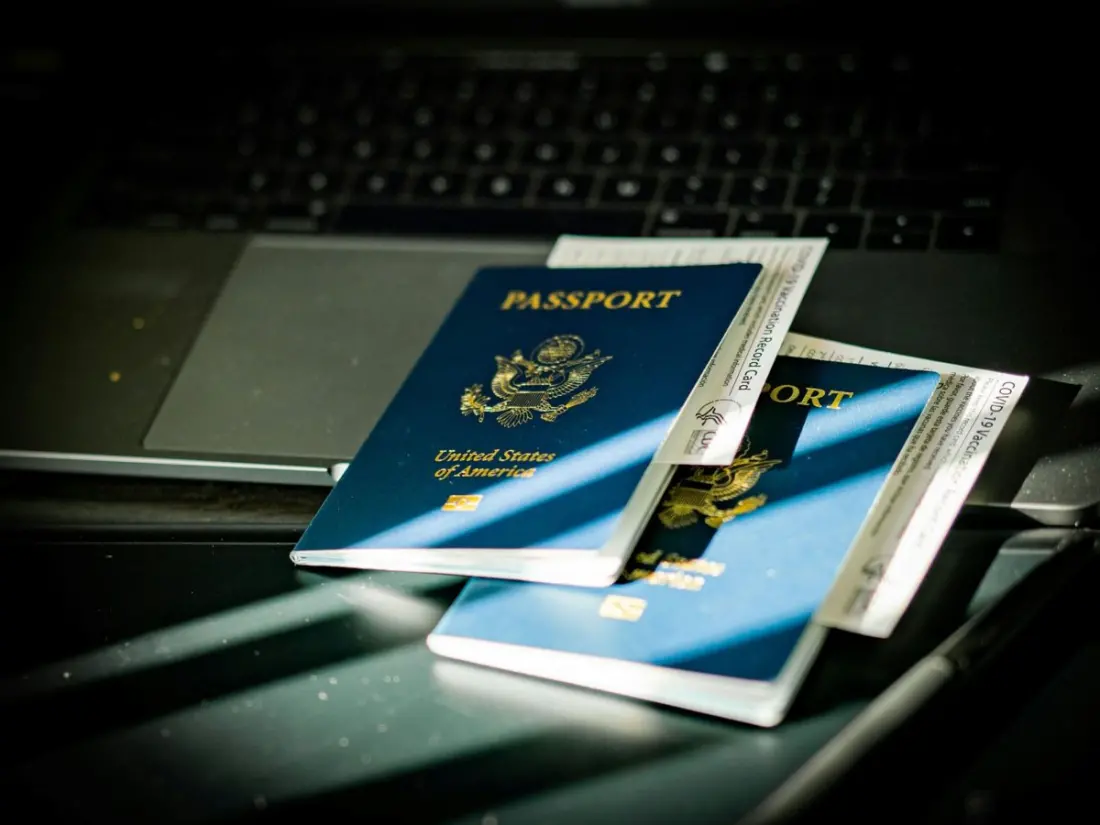
Getting a first U.S. passport has long meant hunting for an appointment, printing the right forms and standing in line — but that's about to change. At the America.gov launch event on 29 September 2026, the State Department announced that by the end of 2027, the vast majority of Americans should be able to apply for a passport or passport card entirely online through the secure America.gov portal.
The overhaul matters most for first-time applicants, plus anyone whose last passport was issued more than 15 years ago or when they were under 16. Until now, those groups had to apply in person, while renewals could already be handled online. Under the new system, applicants log into America.gov, with much of their personal information pre-filled from their profile. Passport photos can be taken yourself on a phone — no more drugstore photo booths — and Secretary of State Marco Rubio was blunt about the motivation: no printed forms, no appointments, no queues and no paid middlemen.
Real-time tracking is part of the deal too. Once you've submitted an application, you'll see its status and an estimated delivery date, rather than mailing documents into a black box. Routine processing currently runs four to six weeks. Rubio's framing was simple: you can track a pizza order more precisely than a passport in the mail, and that's ending. The system is also pitched as a fix for geographic inequality — people in rural towns get the same access as those living near a passport agency.
There's a design refresh on the way as well. From 2028, new passports will feature the American Eagle more prominently, with pages arranged so the eagle appears to spread its wings as you flip through. And your passport won't arrive in the familiar envelope: it will come home in a thin white box stamped with the golden seal.
For travellers, the practical takeaway is timing. If your passport expired long ago, or you've never had one and a trip is on the horizon, it may be worth waiting out the rollout if your travel dates allow — or applying the old-fashioned way now if they don't. Once live, the online process should remove one of the biggest administrative hurdles to spontaneous international travel for millions of Americans.
Details on exact launch dates within 2027 haven't been spelled out yet, so anyone with imminent travel plans should still follow current guidance rather than banking on the new system. But the direction is clear: by late 2027, the paperwork ritual of getting a U.S. passport looks set to become a laptop-and-smartphone job, with a smarter-looking document to follow a year later.