Some good news from China: species that vanished from the Yangtze River decades ago are turning up again in monitoring surveys. The migratory Coilia ectenes, a fish related to anchovies that was once a Yangtze staple, has been recorded after 30 years without a sighting. Japanese eel has reappeared in the Chishui River following more than 20 years of absence.
The numbers back up the anecdotes. A three-year monitoring programme across the Yangtze Basin recorded 230 native fish species in 2024, up from 193 in 2022. That's a real jump in a river system that had been battered by pollution, overfishing and habitat loss for generations.
What's driving the turnaround? Partly a deliberate dismantling of the obstacles humans put in the water. In the Chishui River alone, 342 small hydropower stations have been decommissioned and around 300 diversion dams removed, giving migratory fish their routes back. Wetland work has helped too: 26 square kilometres of aquatic vegetation have been restored at Dongting Lake, while Taihu Lake recorded its fewest algal blooms since 2008.
The wider picture supports it. Research published in Science found that China's 10-year commercial fishing ban, introduced in 2021, has halted the long-term decline in fish biodiversity across the basin. Even the Yangtze finless porpoise, one of the world's most endangered cetaceans, is making gains, with its estimated population rising from 1,012 in 2017 to 1,426 in 2025.
Caveats remain. More recorded sightings don't necessarily mean populations have fully recovered, and pollution and habitat fragmentation still threaten the river. But the findings suggest sustained conservation can genuinely reverse decades of damage.
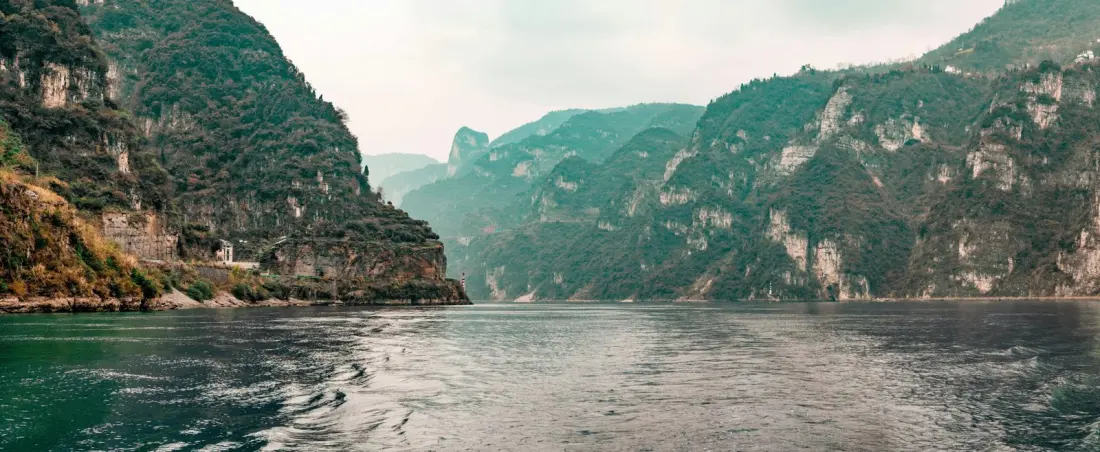
For travellers, this matters because the Yangtze stretches nearly 6,400km from the Tibetan Plateau to the East China Sea and shapes much of central China, from Chongqing's dramatic gorges to the lake country south of the river. If you're cruising the river or visiting places like Dongting Lake near Yueyang, you're now more likely to witness a recovering ecosystem rather than a degraded one, and ecotourism focused on the finless porpoise is a growing reason to add a stop beyond the usual sights. The story is a reminder that conservation news can directly change what a trip looks like.
Story via Getaway South Africa.