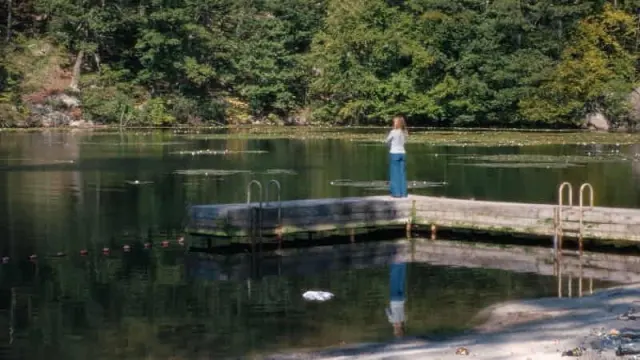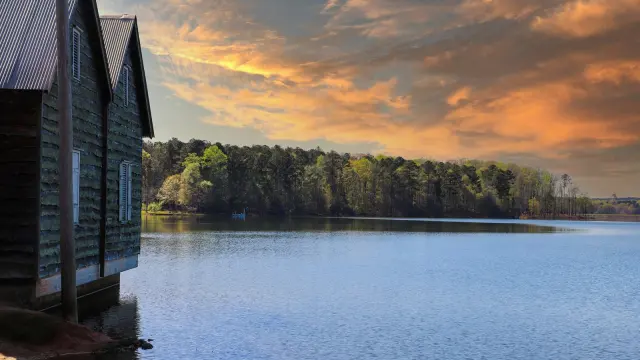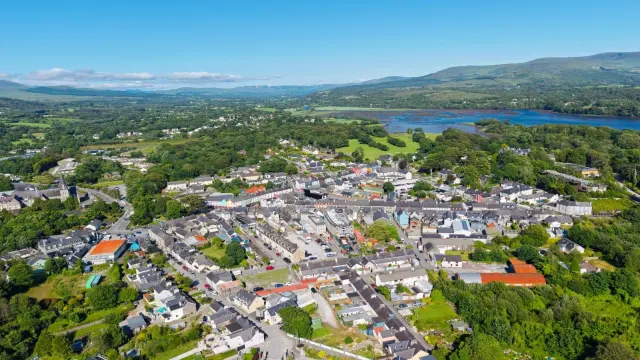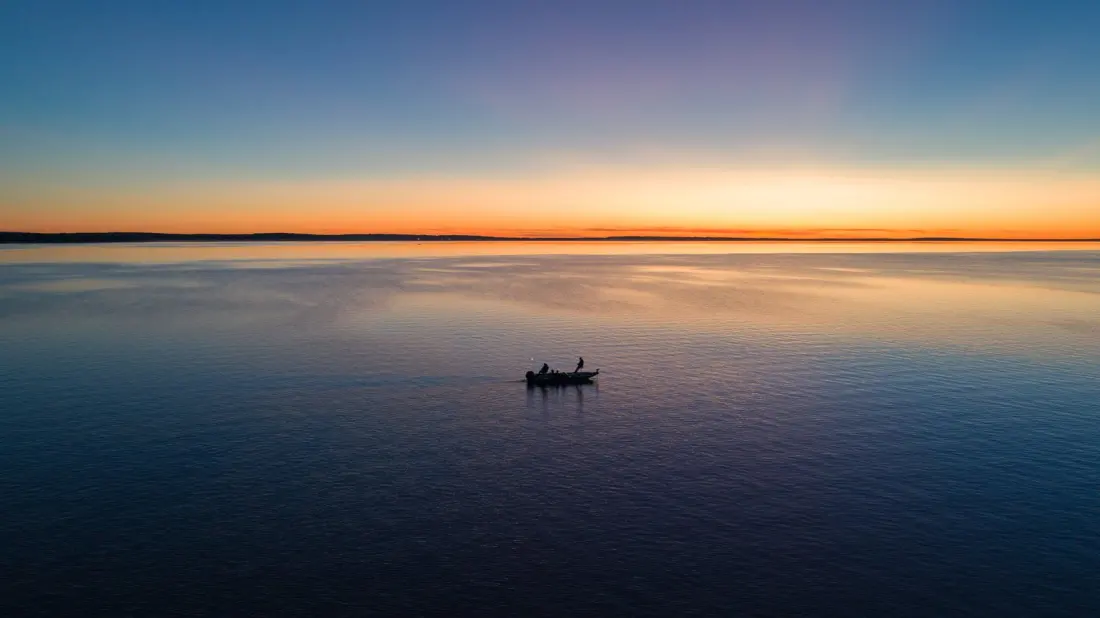
Michigan claims shoreline on four of the five Great Lakes, but the state's roughly 11,000 inland lakes mean anglers don't need to head for open water to find a serious catch. A recent roundup spotlighted five inland lakes that score on all three fronts that matter: healthy game fish populations, practical fishing access, and scenery worth the trip.
Torch Lake, near Lake Michigan's Grand Traverse Bay, is the showpiece. Nearly 18,500 acres and more than 300 feet deep, it's the state's largest inland lake by volume, and its clear turquoise water and sand beaches have earned it the nickname "the Caribbean of the North." Walleye, Atlantic salmon, perch, bass, pike and trout thrive here, and past anglers have landed state-record muskellunge and Atlantic salmon.
Further north, Lake Gogebic is the Upper Peninsula's largest inland lake: about 13,000 acres with 36 miles of shoreline edging into Ottawa National Forest and Lake Gogebic State Park. Its mix of shallow sandy bays and deeper, weedier stretches suits everyone from boat anglers to shore casters, with walleye and jumbo perch the headliners. Come winter it turns into a major ice-fishing destination.
On the Lower Peninsula's west coast, Hamlin Lake sits beside Lake Michigan near Ludington State Park, a 5,300-acre patchwork of forest, dunes and marsh where you can fish within sight of the Big Sable Point Lighthouse. The lake runs from under 10 feet to over 70 feet deep and is divided into six fishing zones, so there's variety in both species and water conditions; local outfitters run guided trips.
For convenience, Gun Lake, about 45 minutes south of Grand Rapids, is the pick. It's more developed, which means modern amenities, county and state park boat launches, and a short drive from the city. Bass and perch are reliable, pike are plentiful, and walleye numbers are rising. Beginners can try the quieter waterways in nearby Yankee Springs Recreation Area.
Finally, Houghton Lake is Michigan's biggest inland lake by surface area at just over 20,000 acres, yet it's shallow — 22 feet at most — with a sandy bottom and marshy edges that make it unusually fertile. Fish sit closer to the surface here, and seven public boat access points plus parks like North Higgins Lake State Park make access easy. Just bring patience for the seaweed.
Anyone planning a fishing-first road trip through the Midwest should find a trip here. The lakes are spread across both peninsulas, so you can build an itinerary around one region rather than criss-crossing the state, and most have boat rentals, guided tours and state park facilities on hand. Torched by choice? Pick Torch for scenery, Gogebic for wilderness, Gun for ease.