El Salvador has spent years shedding its reputation as one of the most dangerous countries in the Americas, and tourism is growing fast. But the visual legacy of that era — gang tattoos — still shapes how the country is read by outsiders. A closer look at MS-13 body art explains a lot about the nation's recent history, and why appearances there deserve some nuance.
Mara Salvatrucha, better known as MS-13, began among Salvadoran immigrants in Los Angeles in the 1980s, as civil war drove people north. Tattoos became the gang's visible language: the letters MS, the number 13 (M is the thirteenth letter of the alphabet, and the number nods to the gang's ties with the Mexican Mafia), devil horns borrowed from the heavy-metal scene that shaped its earliest members, and 503, El Salvador's country code, worn as a badge of origin.
Some markings carry darker meanings. A teardrop under the eye can signal a killing or prison time. Spiderwebs and skulls suggest entrapment in gang life or an acceptance of death. Barbed wire, often inked around an arm or neck, represents submission to the gang. Praying hands carry a poignant message — asking a mother's forgiveness for a life the wearer cannot leave, since walking away can be fatal.
The culture moved south in the 1990s, when US deportations of convicted gang members brought MS-13 customs back to El Salvador. There, tattoos became entangled with territorial control and fear, especially through the 1990s and 2000s, when large facial lettering made affiliation unmistakable.
Things have changed. Highly visible tattoos made members easy targets for police and rivals, and hard to employ, so many abandoned prominent markings long before the country's sweeping anti-gang crackdown. The heavily inked gangster of popular imagination no longer reflects how MS-13 presented itself in recent years.
Why should a traveller care? First, context: religious tattoos — crosses, Christ figures, the Virgin Mary — are everywhere in El Salvador and Central America for entirely innocent reasons of faith and family. Spiderwebs, skulls and the number 13 are also common among people with zero gang connection. Reading a tattoo as proof of criminality is both wrong and unfair, and former gang members who left that life behind still face discrimination because of old ink.
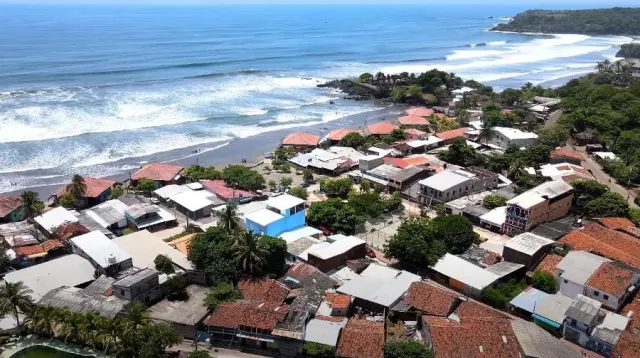
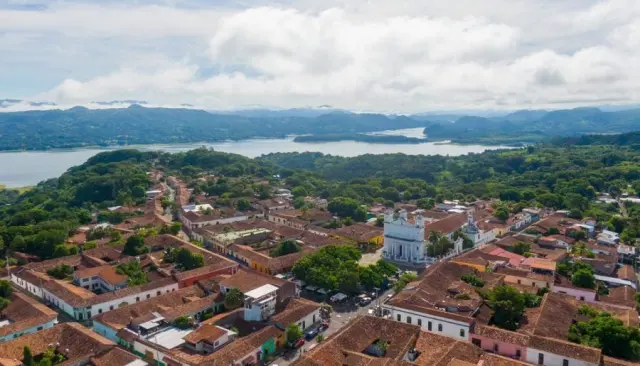
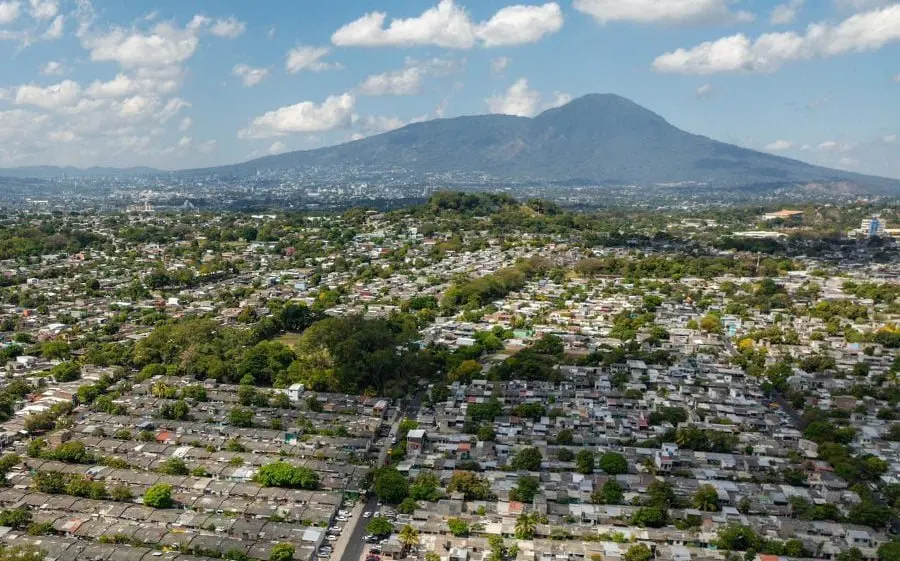
Second, it's a window into the country you're visiting. El Salvador's transformation — from one of the world's highest homicide rates to a country actively courting surfers, volcano hikers and city breakers — is the defining story of its tourism boom. Museums, local guides and conversations in San Salvador or Santa Ana often touch on the civil war and the gang years; knowing the symbolism makes those encounters richer.
The takeaway for visitors is simple: don't judge a book by its cover, stay aware of your surroundings as you would anywhere, and treat the country's complicated past with curiosity rather than fear. A tattoo can hint at someone's history, but it never tells the whole story — a point that applies as much in a Salvadoran bus station as anywhere on earth.