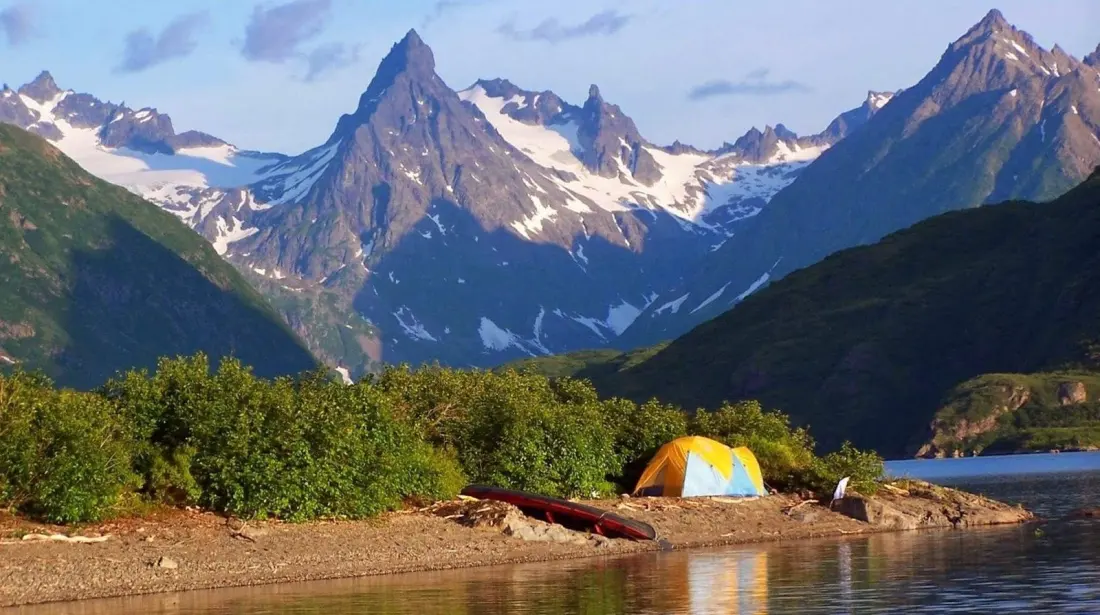
Bigger than the Grand Canyon and reachable only by boat or float plane, Wood-Tikchik State Park in south-central Alaska covers 1.6 million acres of roadless wilderness yet sees just a few thousand visitors a year. That makes it one of the largest and least-visited state parks in the United States — a striking reminder that in Alaska, state parks can out-scale famous national parks many times over.
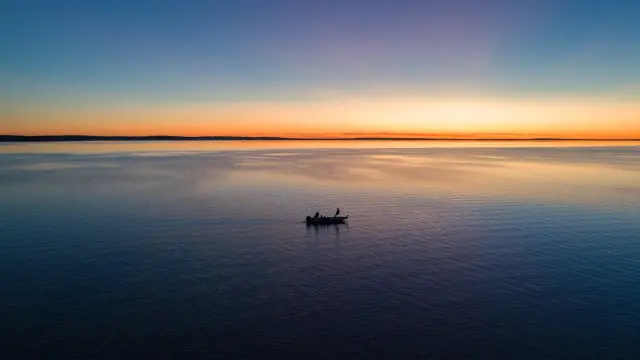
The park is built around two chains of fjord-like lakes: the northern Tikchik lakes and the southern Wood River lakes. Together they hold 12 lakes, some stretching 15 to 45 miles long, linked by rivers up to 60 miles in length and framed by jagged 5,000-foot peaks and open tundra lowlands. Wildlife is everywhere — bears, moose, wolves, beavers, foxes — and the clear waterways support all five species of Pacific salmon plus rainbow trout, Arctic char, grayling, and northern pike.
The classic way in is by paddle. The Wood River Lakes Water Trail, the park's most popular multi-day route, threads five lakes and four rivers with Class I to III rapids. Trips start with a float plane from Dillingham, the regional hub with regular flights to Anchorage. Days are spent paddling, nights camping on gravel beaches, with optional tundra hikes in between. Take-outs include a small village on Lake Aleknagik with road access back to Dillingham, or paddlers can continue roughly 20 more miles downriver straight into town. The northern Tikchik lakes are even wilder — and pricier to reach.
Conditions demand respect. Summer is mild, with July averages between 46 and 65°F, but weather flips fast, so quality rain gear and warm layers are essential. Paddlers should hug shorelines: sudden winds can whip up waves big enough to capsize a canoe or kayak on open water. This is a trip for people with real backcountry experience, not first-timers.
If camping and self-supported paddling sounds like too much, the park's backcountry lodges offer a softer entry. Tikchik Narrows Lodge, one of the few in the northern lake system, markets itself as among the most remote fishing lodges in Western Alaska. Guests get cabin accommodation, meals with lake views, and daily float plane runs to prime fishing spots — plus paddleboarding, bear viewing, birding, hiking, and berry foraging. Experienced anglers can also arrange independent trips to the Agulowak and Agulukpak Rivers, both regarded as world-class sport-fishing waters.
Why bother with somewhere this hard to reach? Because the reward is genuine solitude in a landscape of scale you simply cannot find in crowded national parks. Visit in summer, when the lakes are ice-free and float plane access is most reliable. And if Alaska's backcountry is new territory for you, consider a warm-up on the Kenai Peninsula first — big wilderness, but with towns like Seward and Anchorage close at hand.
Story source: Explore.com