When the clocks go back and the forecast turns grey, the usual winter-sun suspects (Canaries, Caribbean all-inclusives) fill up fast. Travel experts quoted by The Independent have flagged five alternatives that promise warmth without the crowds – and a few of them might surprise you.
Nicaragua tops the list as Central America's overlooked gem. Voyageurs du Monde co-founder Tom Barber calls it a highlights reel of the region: Pacific surf beaches, colonial cities like Granada and Leon, volcano hiking on Ometepe island, and the glowing crater of Masaya – all at lower prices and with fewer visitors than neighbouring Costa Rica. The dry season runs December to April, with Pacific coast temperatures of 28-33C, though travellers should keep an eye on FCDO advice and El Nino-related water shortages.
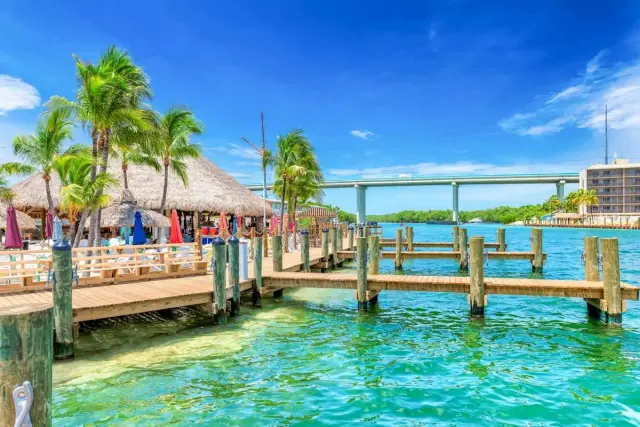
For a wilder Caribbean, Dominica is the pick. Between Guadeloupe and Martinique, it's 70% forested with 14% protected as national parks – no rows of sunloungers here. The 115-mile Waitukubuli National Trail is the longest hike in the Caribbean and can be done in sections, while Unesco-listed Morne Trois Pitons National Park hides the Boiling Lake. Uniquely, a resident community of sperm whales means possible whale dives and boat trips; in 2025 the island created the world's first marine reserve dedicated to protecting them. You can also visit the territory of the Kalinago, the largest remaining indigenous population in the Caribbean. January to April is driest, at 27-30C.
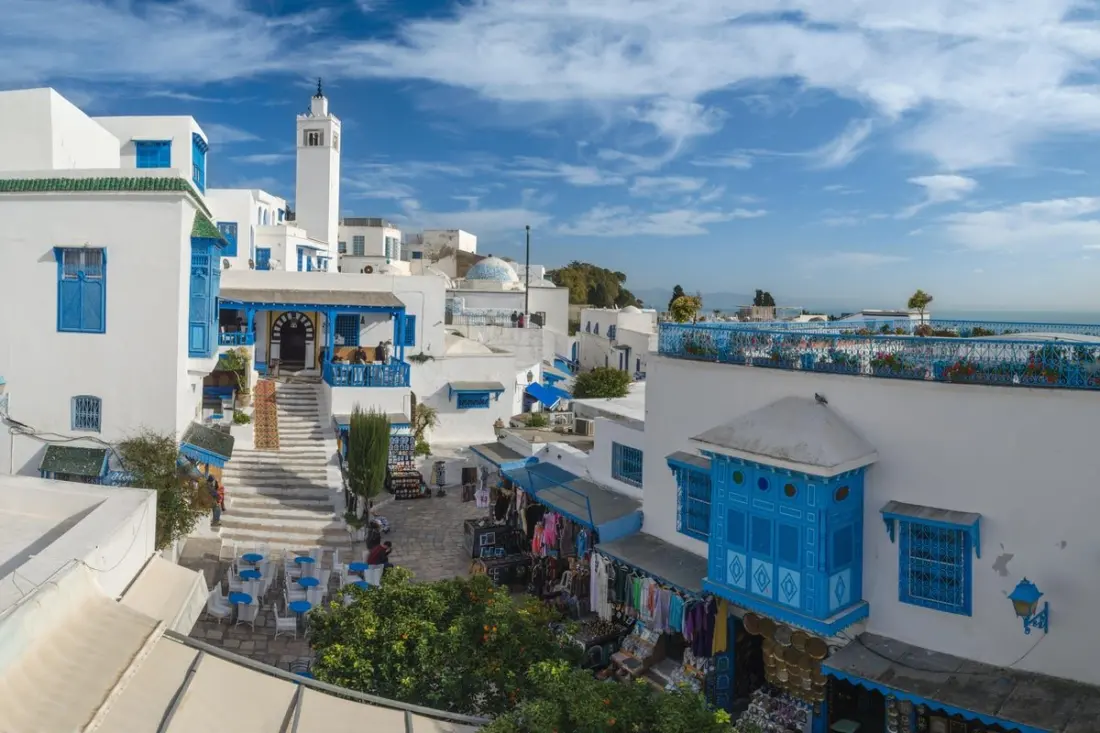
If the flight budget won't stretch that far, Tunisia offers culture and short-haul convenience. Barber rates Tunis as less hectic than Marrakesh, with an atmospheric medina and a growing contemporary scene, while Sidi Bou Said's whitewashed houses and blue doors overlook the Mediterranean near the remains of Carthage. Phoenician, Roman, Arab, Ottoman and French layers stack up across ancient sites that get a fraction of the crowds of Italy or Greece – and film fans can hunt Star Wars locations. February to March brings comfortable sightseeing weather of 15-23C depending on north or south.
South America's quiet achiever is Uruguay. Compact, safe and drivable without internal flights, it packs in golden beaches, boutique vineyards such as Cordano and El Legado, estancia stays and the lively capital Montevideo. November to March is the sweet spot, with temperatures of 25-32C.
Finally, the Algarve proves you don't need a long-haul ticket. Winter means empty beaches, alfresco lunches, coastal walks and dolphin-watching trips, plus salt pans, oyster farms and golf. February averages around 17C with less rain – not tropical, but a big upgrade on a UK winter. Fresh places to stay include the five-star W Algarve in Albufeira and the newly renovated Octant Praia Verde in the east, with heated plunge pools among pine forest and dunes.
Whether you want volcanoes, whales, Roman ruins, vineyards or simply a quiet beach in February, there's an offbeat option here for most budgets and flight tolerances – just book before everyone else catches on.