In Tuvalu and Fiji, the people doing the daily work of climate adaptation are, more often than not, women. They tend the gardens, manage household water, glean shellfish from the reef flats and sell shell handicrafts for income that keeps families fed. When cyclones tear through, they are the ones keeping displaced households supplied with food and water while boats and kitchens sit wrecked. A new commentary ahead of COP31 argues that this unpaid, unmeasured labour is the backbone of community resilience across the Pacific — and that global climate finance is failing to reach it.
The piece leans on the writer Epeli Hau'ofa's idea that the ocean connects Pacific peoples rather than isolates them, but notes that rising seas and warming waters are disrupting the traditional knowledge — how to fish, plant and build — that generations have passed down. Climate shocks hit hardest where inequality already exists: Pacific women earn less, own less land, have less access to credit and hold fewer decision-making roles, so each cyclone or failed harvest widens the gap.
Concrete examples back the argument up. After Tropical Cyclone Ana hit Fiji in 2021, families in Nabavatu village were displaced by a landslide, and women who made a living gathering and selling shellfish faced losing that income entirely as the village planned to relocate inland — so they organised to build new livelihoods. When Cyclone Pam battered Tuvalu in 2015, women kept displaced families fed despite damaged kitchens and water supplies.
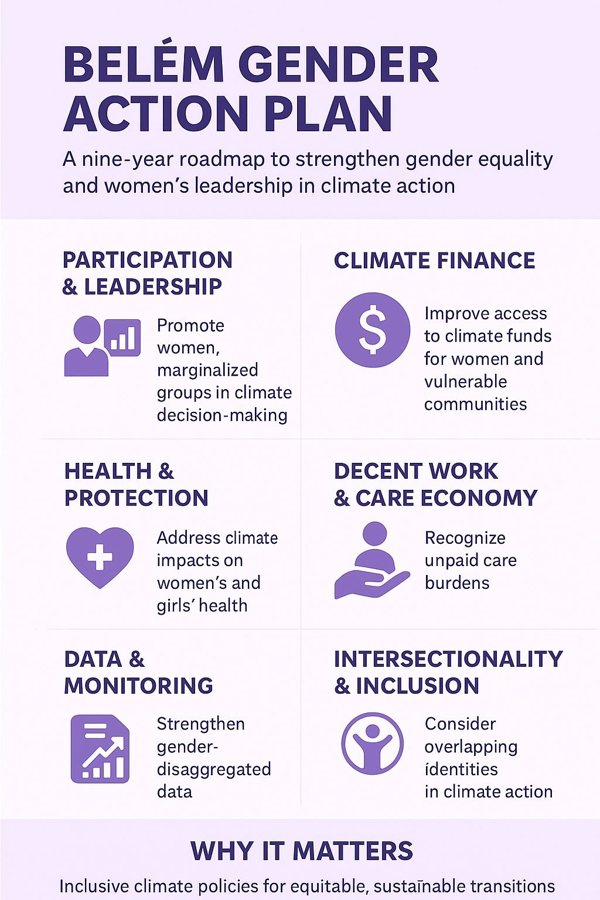
The ask from the Pacific is specific. Leaders have endorsed a Pact on Gender and Climate Action, launched at Tuvalu's initiative, to implement the Belém Gender Action Plan: better climate data that reflects women's realities, recognition of women's leadership, and finance that actually reaches communities. The Pacific Resilience Facility, a Pacific-led financing mechanism still taking shape, is intended to channel money to the women already leading adaptation on the ground. COP31 opens in November in Antalya, Türkiye, with Australia as President of Negotiations; a Pre-COP hosted by Fiji and a leaders' event in Tuvalu have already pushed small-island priorities up the agenda. The commentary ties the gender argument directly to emissions: every fraction of a degree of warming means more adaptation work for Pacific women, more often.