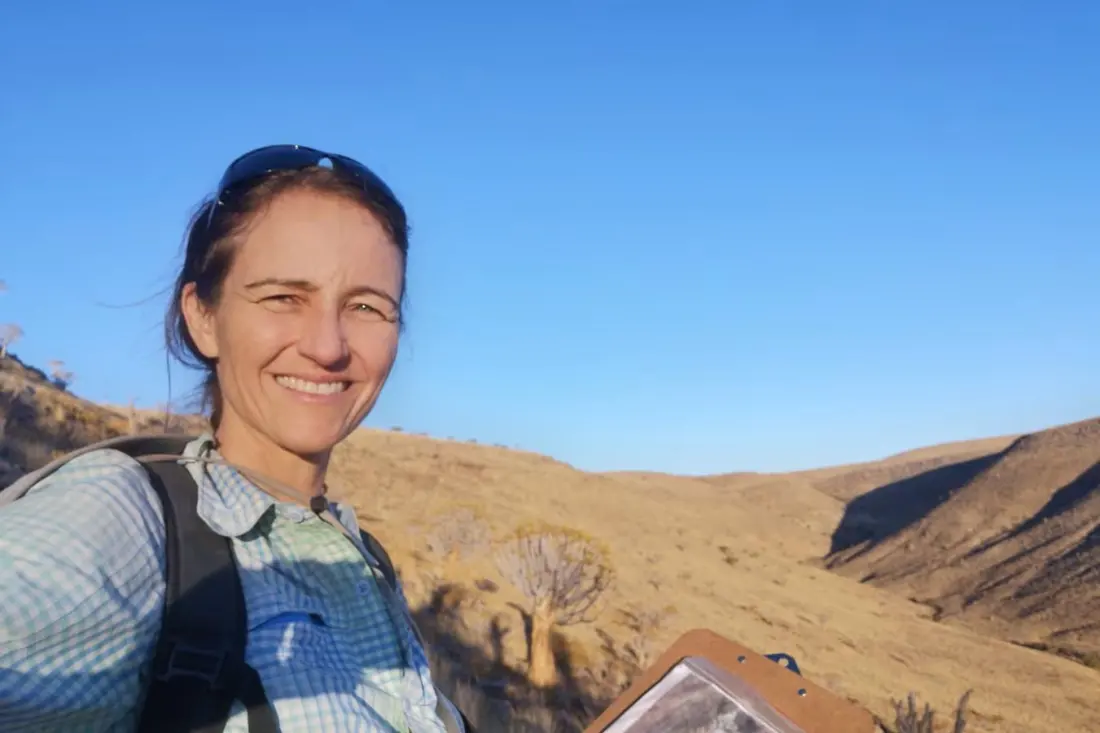
The Richtersveld, a harsh desert corner of South Africa's Northern Cape, is about to become a living laboratory. Professor Wendy Foden, a climate change specialist at Stellenbosch University who also works with South African National Parks (SANParks), has won the inaugural Oppenheimer Research Chair in Conservation in a Changing Climate Award. With it comes funding for a five-year research programme focused on how the region's most famous plants can survive hotter, drier conditions.
The two flagship species are icons of the arid Northern Cape. The quiver tree, a branching succulent aloe that can live for decades, and the halfmens — a strange, leaning succulent that looks like a person gazing north — are both adapted to conditions that climate change is rapidly shifting. The research will track how heat and water stress affect them, working alongside SANParks scientists and reserve managers.
What makes this project different from most climate studies is its practical focus. Rather than just documenting decline, the team will test which conservation interventions actually work. One promising but controversial method is assisted translocation: physically moving plants to areas where conditions might suit them better in the long term. That carries real risks — a relocated species can fail or even disrupt a new habitat — so the programme will weigh the evidence before recommending wider use.
The research will also tap into a wider network. Foden chairs the IUCN's Species Survival Commission Climate Change Specialist Group and teaches at Stellenbosch's School for Climate Studies, and the project will partner with the University of Cambridge's Conservation Evidence group to pull together what's already known about which interventions succeed. The Benjamin Raymond Oppenheimer Trust, which funds the chair through Oppenheimer Generations Research and Conservation, also backs the training of young researchers, so the programme includes postgraduate supervision and knowledge sharing.
Why does this matter to travellers? The Richtersveld is one of southern Africa's great off-grid destinations: the Richtersveld Cultural and Botanical Landscape is a UNESCO World Heritage Site, the 4x4 routes through the Richtersveld Transfrontier Park are legendary, and the succulent diversity here is extraordinary. Quiver trees and halfmens are exactly the plants visitors come to photograph. If temperatures keep climbing, the character of that landscape could change within a lifetime. A study that pinpoints what can actually be done is good news for anyone who wants this desert to look the same in twenty years. The findings could also shape conservation well beyond the Northern Cape, giving park managers everywhere a better sense of when to intervene — and when not to.
Story first reported by Business Day; coverage via Getaway South Africa.