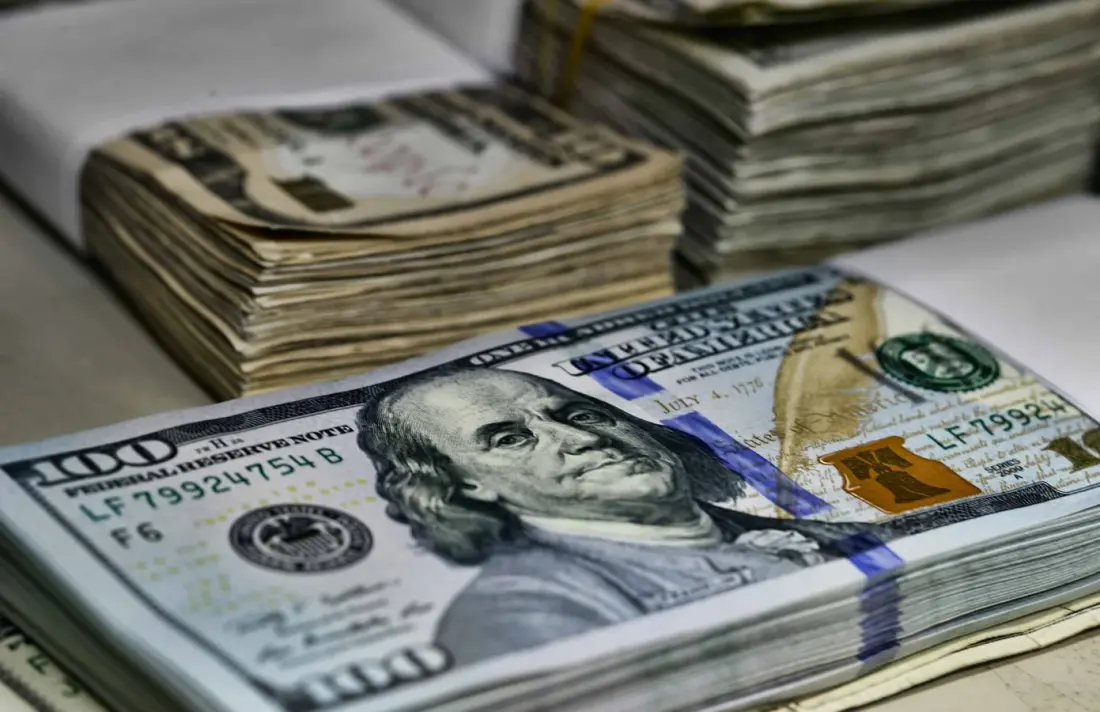
The dollar keeps sliding in Costa Rica. On Tuesday the wholesale (Monex) rate closed at 448.43 colones — the weakest close since September 18 and just 1.63 colones above the all-time low of 446.80 set on September 17. Back on January 2, the same $1,000 bought 497.07 colones; now it gets about 448,430, a drop of nearly 10% in ten months.
There was a brief reprieve in early October, when the rate climbed to 460.45 after a 25-basis-point US Federal Reserve rate hike while Costa Rica's central bank held steady. Since then the slide has resumed, with five straight sessions of decline.
The Central Bank is nudging against the fall. It bought $9 million on November 6, its second consecutive intervention, for $24 million across two days. That brings this year's total dollar trading to about $2 billion, of which $1.29 billion has been stabilization buying — though the bank stresses it is smoothing swings, not defending a fixed rate.
Economists point to the calendar as well. November is aguinaldo season, when Costa Rican employers must pay the legally required year-end bonus, and multinationals often pay late-December salaries early. Those weeks concentrate a flood of dollar-to-colón conversions, which tends to push the dollar down further. Central Bank President Róger Madrigal, meanwhile, flags the opposite risk: if the gap between Costa Rican and US interest rates widens, more money could flow into foreign currency savings, nudging the rate back up.
For travellers, the practical takeaway is that Costa Rica is pricier than it was a year ago. Your dollars simply convert into fewer colones, and the strong local currency has already squeezed dollar-earning businesses from coffee farms to medical tourism clinics. If you visited in 2023 or early 2024, recalibrate your budget: hotels, guides and restaurant bills quoted in colones will stretch your money noticeably less.
A few tips help. Monex is the wholesale market, so the rate at bank windows and exchange booths will be worse than the headline average — the spread varies by institution, and airport exchanges are usually the worst of all. Paying in colones with a card that waives foreign transaction fees generally beats paying in dollars, and some vendors quoting in dollars apply their own conversion rate. If you're paid or pensioned in dollars and live in Costa Rica, the story is gloomier: your purchasing power has dropped roughly a tenth since January, with no clear sign of a rebound before year-end.
Whether the dollar breaks its record low in the coming weeks depends largely on those year-end bonus flows. Watch the rate before your trip, budget in colones, and expect the country to feel a bit more expensive than the guidebooks suggest.