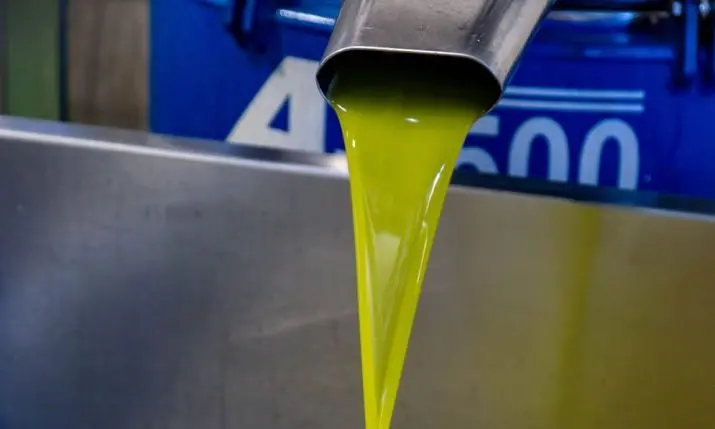
Croatia is having one of its best olive seasons in years — and the mills that turn the fruit into oil may have to stop working anyway. The Croatian Association of Olive Growers and Millers (ZUMAH) warned this week that eight private mills in Dalmatia could suspend operations within days because they are running out of places to put olive pomace, the fibrous residue left after oil extraction.
Association president Ivica Ljubenkov delivered the warning outside the Vukšić mill in Solin, near Split, saying olives were piling up unprocessed while mills had nowhere to send the waste. Croatia expects to generate between 15,000 and 20,000 tonnes of pomace this season. In normal years, mills spread the residue on farmland during the roughly month-long processing window, but an exceptionally large harvest combined with Dalmatia's rocky terrain means quantities have outstripped what the land can absorb in the time available.
It's not just an agricultural headache. Jakov Vukšić, whose family runs the Solin mill, said 20 jobs would be on the line if the facility had to shut down mid-season. Mill operators say they've been lobbying for a systematic fix for two years; a spring meeting with the Agriculture Ministry and the Environmental Protection and Energy Efficiency Fund produced little follow-through, according to ZUMAH.
Agriculture Minister David Vlajčić pushed back, noting that disposal rules were loosened earlier this year to allow up to 80 tonnes of pomace per hectare — a temporary measure he argues gave producers plenty of time to secure permits ahead of an anticipated strong harvest. He added that some counties aren't struggling at all. Longer term, the government is working with the Environment Ministry on composting facilities and biogas plants that could process pomace and other organic waste, with decisions left to individual counties.
Why should a traveller care? Dalmatian olive oil is one of the region's defining food experiences — pressed in small family mills along the Adriatic coast and islands, drizzled over grilled fish and peka dishes, and bought by visitors as the souvenir that actually fits in a suitcase. A harvest this good should mean abundant, reasonably priced local oil through the winter. If mills stall, some of that crop may never make it to the bottle, and the small-scale producers behind the region's agritourism and oil-tasting traditions take a real hit. It's also a glimpse into the less glamorous side of a beloved food culture: even a great harvest creates a waste problem when the infrastructure hasn't caught up. Anyone planning an autumn olive-season trip to Dalmatia should expect excellent oil this year — but the industry's growing pains could quietly shape what reaches the shelves.