
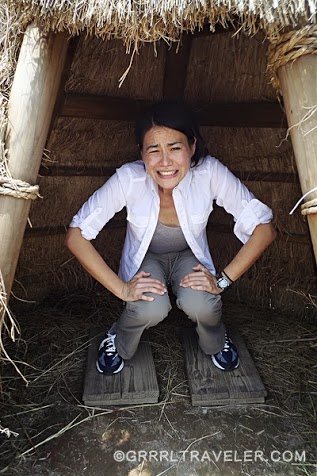
Anyone who has travelled through Southeast Asia knows the bum gun — the hand-held sprayer mounted next to the toilet, found everywhere from Bangkok guesthouses to Korean apartments. And anyone who has been to Tokyo knows the opposite extreme: a Toto Washlet with a heated seat, adjustable water temperature, air drying and even music. Frequent travellers often come home wondering if they can recreate that post-bathroom freshness without a plane ticket, and the short answer is yes — the trick is picking the right model for your bathroom and budget.
There are five main options, spanning roughly $14 to $1,000. Standalone bidets, the classic European second-bowl setup, are the priciest at around $500-$1,000 and need a plumber, so they only make sense during a full remodel. Electric bidet toilets, the style common in Japan and Korea, cost around $300-$400 and offer the full spa treatment, but they need a power outlet near the toilet — a dealbreaker in awkward bathroom layouts where the nearest socket is across the room.
The sweet spot for most people is the bidet seat attachment. These clip under your existing toilet seat, connect to the water supply and typically cost $40-$60, with installation taking under 15 minutes. The writer behind GRRRL Traveler picked the Luxe Neo 180, a non-electric model with dual rear and feminine wash settings, adjustable pressure and a self-cleaning nozzle, and had it fitted in about ten minutes. After years of use her verdict is firmly positive — she just warns newcomers to turn the pressure dial slowly, because the spray can be stronger than expected.
At the budget end, a hand-held sprayer — the bum gun itself — runs just $14-$20 and gives you manual control of direction and pressure, which doubles as a handy way to rinse a wet bathroom floor, as is common in Asian bathrooms where shower and toilet share one drain. One caveat: some users report leaks from pressure buildup, so it's worth shutting the valve off between uses. For people who are always on the move, portable squeeze-bottle travel bidets pack into luggage and work anywhere, from campsites to countries where toilet paper is scarce.
Before buying, the practical questions matter more than the features list: can you install it yourself, does it come with all the parts, is there an outlet nearby for electric models, do reviews flag leaks or pressure problems, and would warm water or a heated seat actually matter in your climate? Cold-water non-electric models work fine but can be bracing in winter. Reading user reviews carefully — especially on long-term durability — is the best way to avoid surprises.
Why does this belong on a travel site? Because bidets are one of those habits travellers bring home, right up there with a taste for street food or a decent luggage scale. They're cheaper and more eco-friendly than toilet paper, increasingly standard worldwide, and a well-chosen $40 attachment can quietly upgrade every day between trips. If a pandemic-era toilet paper shortage pushed you toward alternatives, this is the low-effort way to make it stick.