A joint assessment by the United Nations, the World Bank and the European Union has concluded that more than two years of conflict have set human development in the Gaza Strip back an estimated 77 years. The final Rapid Damage and Needs Assessment (RDNA), covering the period from 7 October 2023 to the cease-fire of 9 October 2025, puts Gaza's Human Development Index at 0.339 — the lowest level ever recorded there.
The numbers are staggering. Physical damage is estimated at $35.2 billion, with economic and social losses adding another $22.7 billion, for a combined impact of $57.9 billion. Rebuilding is expected to cost roughly $71.4 billion over the next decade, with $26.3 billion needed in the first 18 months alone to restore basic services and critical infrastructure.
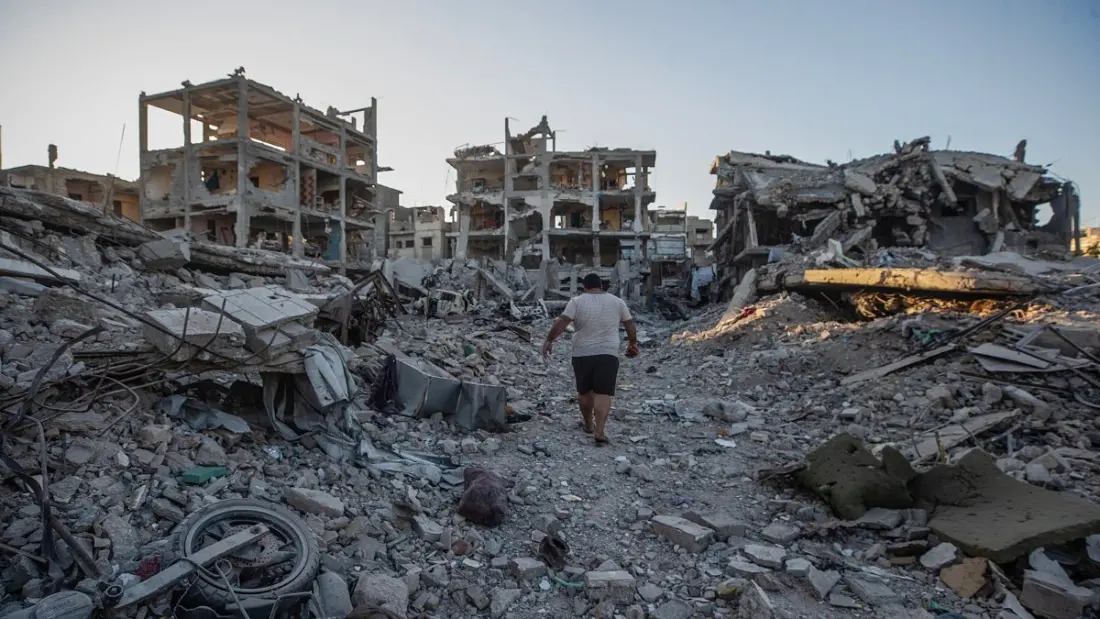
Housing has taken the worst of it: around $18 billion in damage — just over half of all physical destruction — with more than 371,000 homes destroyed or damaged and over 1.2 million residents displaced from them. Commerce and industry follow at $6.35 billion in damage, then transport at $3.2 billion and water and sanitation at $1.7 billion. Gaza's economy has shrunk by about 84%. More than half its hospitals are nonfunctional and nearly all schools have been hit. Clearing the estimated 68 million metric tonnes of debris will itself cost over $1.7 billion.
The human toll runs deep. Around 1.9 million people — most of the population — have been displaced, often repeatedly. More than 40% of pregnant and breastfeeding women are severely malnourished, roughly two-thirds have anemia, and virtually all children are thought to need mental health support. Some 728,000 school-aged children have been out of formal education for more than two years, at least 792 school staff have been killed, and an estimated 41,844 people now live with life-changing disabilities, about a quarter of them children.
An earlier 2024 assessment by the UN Development Programme had put the setback at around 69 years; the 2026 revision reflects the widening consequences through October 2025. The report insists recovery must be Palestinian-led and inclusive, with women and young people shaping priorities — but it also warns that bricks and mortar won't be enough. The three institutions call for a sustained cease-fire, unhindered humanitarian access, restored services, transparent governance and a functioning financial system, alongside continued political, economic and territorial connection between Gaza and the West Bank under a single Palestinian government.
UN Deputy Secretary-General Amina Mohammed highlighted the findings ahead of the International Day of Solidarity with the Palestinian People on 29 November, condemning the 7 October 2023 attacks while rejecting collective punishment, and reaffirming UN support for a two-state solution.
For travellers, this isn't a destination story in any conventional sense — Gaza is inaccessible and facing a humanitarian emergency — but the assessment matters to anyone who follows global affairs and the future of the region. Its figures form the technical basis for recovery planning, and officials caution the numbers may be adjusted as more information is verified.