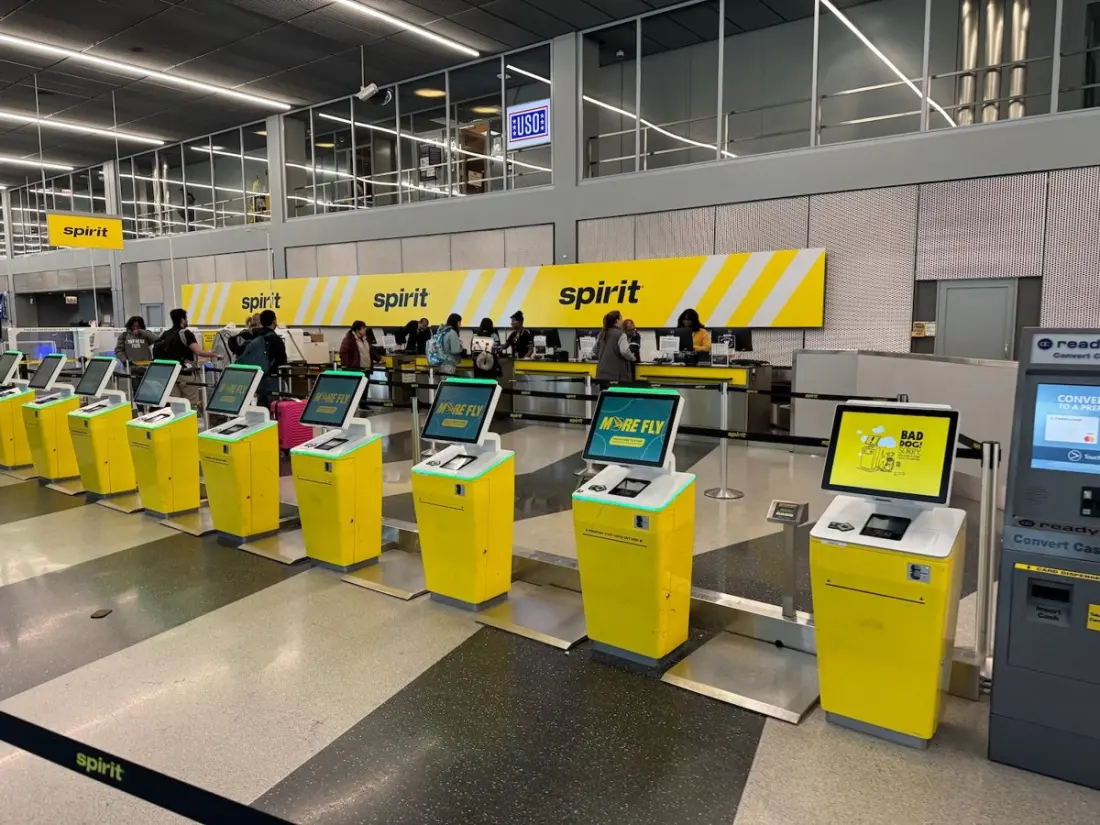
Spirit Airlines stopped flying in May, but the airline is still making headlines from bankruptcy court. At an August 14 auction, Google bought Spirit's internal data for $10 million — a sum the company earns in under an hour. The lot includes roughly 500 million Microsoft Teams chats, 100 million emails from 80,000 employee accounts, and about 30 million lines of code across 516 software projects. Google says it will use the archive to improve its products and AI models, and insists it received no personal information.
The deal nearly stalled over privacy. In October, 121 members of Congress led by Senator Elizabeth Warren warned Google's CEO that the sale was venturing into uncharted territory. On November 10, the Association of Flight Attendants and other unions dropped their objections after winning real concessions: Google will not receive employees' medical and disability histories, drug and alcohol testing records, or payroll data, and it must follow a stricter de-identification process with a ban on re-identifying anyone. AFA president Sara Nelson framed it as a new frontier — worker privacy in the AI era is now a labor rights issue. That mattered to roughly 17,000 Spirit employees who lost their jobs overnight in May.
Customers got carved out too, on paper. The court-appointed privacy ombudsman signed off only after personal data on 97 million Spirit customers was excluded from the sale. But the fine print is worth reading. The company doing the scrubbing is one acceptable to or designated by Google, Google pays for it, and Google reviews the results. The agreement also requires preserving "referential integrity" — keeping the links between each pseudonymous person's records intact — which is exactly what makes the dataset useful for training and what makes anonymity easier to unravel. And here's the catch: an airline's emails are stuffed with customers. Complaint escalations, refund disputes, disability assistance requests. Excluding the customer database doesn't remove customers from 100 million emails, so the scrubbing standard matters as much as the exclusion itself.
The bigger lesson goes beyond one airline. When a carrier dies, its miles usually die with it — but the data doesn't. It gets sold as an asset, while liabilities are left behind. Every loyalty program you belong to holds your travel history, home airport, co-brand card spending, and every complaint you've filed. If a bare-bones program like Free Spirit fetched $10 million, the file inside a major US carrier's program would be worth vastly more to a future buyer.
For travelers, the takeaways are simple: redeem miles while they're worth something, and assume your data will outlive the program. It may not be long before legislation requires that consumers get a window to remove their details when a travel company collapses. Until then, your information is the most valuable thing you hand over at signup.
Story first reported by Live and Let's Fly.