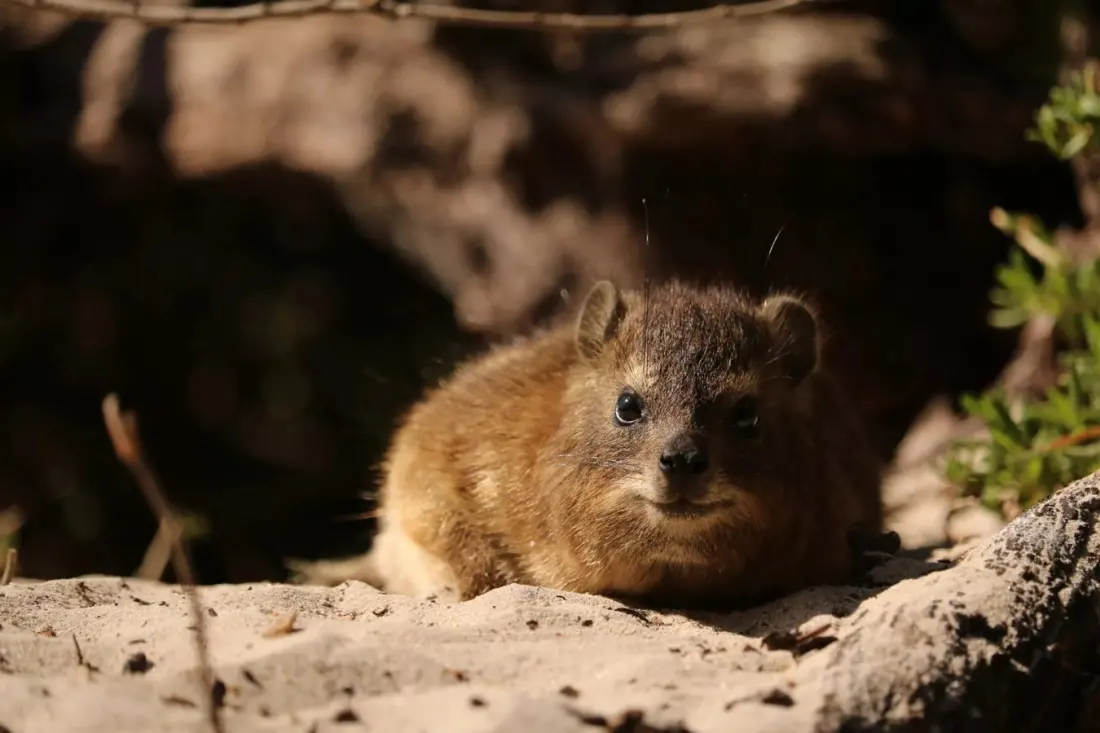
A dassie found wounded beside a river jetty in Still Bay, on South Africa's Garden Route coast, has reignited a conversation many would rather avoid: what happens when airguns meet wildlife. The animal had a visible wound on its side and couldn't use its hind legs. A local resident reported it to the rescue organisation Wild Rescue on 11 November after failing to reach CapeNature, suspecting the rock hyrax had been shot.
The story matters because pellet guns are widely treated as harmless toys. They're anything but. A small pellet can penetrate skin and shatter bones, pierce organs, cause internal bleeding or sever a spinal cord — and the entry wound is often barely visible, leaving the animal to suffer out of sight. Wild Rescue's founder Gill Simpson put it bluntly: the wounds that look small often hide terrible damage.
South Africa has form on this. In 2022, the Cape of Good Hope SPCA reported that 90% of the baboons its vets had X-rayed carried at least one pellet in their bodies. Documented cases include a paralysed baboon with a pellet lodged in its spine, a juvenile found dead in Constantia after being shot through the heart, and a criminal case opened under the Animals Protection Act and Firearms Control Act. The scale elsewhere is sobering too: the RSPCA's Stapeley Grange centre in England treats 50 to 70 airgun-shot animals a year, and reported attacks on cats in England and Wales jumped 30% in 2024.
People aren't exempt. US paediatric studies reviewed in the source describe children suffering permanent vision loss, long-term disabilities and even deaths, and pellets can ricochet well beyond the person firing. Legally, South Africa's Firearms Control Act 60 of 2000 criminalises negligent use causing injury or property damage, while the Animals Protection Act 71 of 1962 carries penalties that can reach R40,000 or imprisonment — regardless of the shooter's age.
For travellers, this is a reminder that the wildlife you come to South Africa to see — dassies sunning on rocks, baboons on the Cape Peninsula, monkeys along the coast — lives in close contact with residential areas, and not all of those encounters end well. If you spot an injured or distressed animal, report it to the SPCA, CapeNature or the police rather than trying to intervene yourself. Wild Rescue is also urging parents, especially ahead of the festive season, to think twice before buying pellet guns as gifts. The message is simple: airguns are weapons, not toys, and wildlife moving through a garden is not target practice. Full details appear in the original report.