Packing your kit away badly for the off-season is one of the cheapest ways to ruin expensive equipment. A single compression sack or a damp tent fly can turn a reliable setup into a spring replacement bill, so a bit of end-of-season housekeeping pays for itself fast.
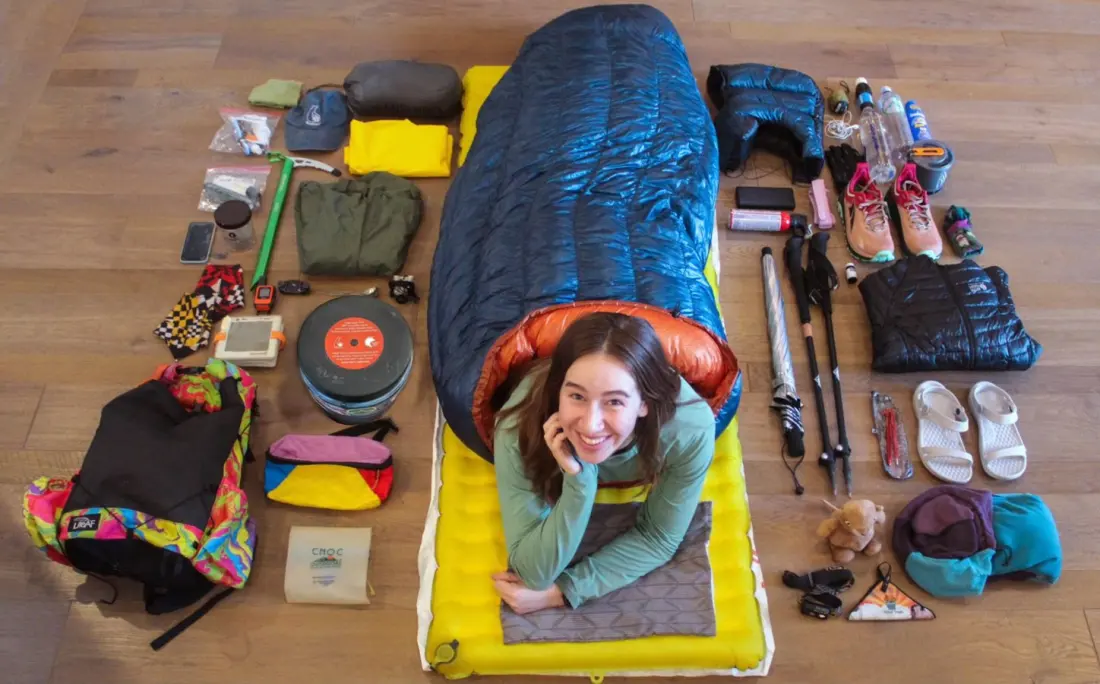
The big one is down insulation. Sleeping bags and quilts should never live in their compression sacks over winter, because squashed down loses its loft and its ability to trap warm air. Shake the bag out in a dry room, and if it smells past saving, wash it gently in a front-loading machine with a technical cleaner such as Nikwax Down Wash Direct, then tumble on low heat with a couple of clean tennis balls to break up clumps. Once fully dry, hang it or store it loosely in a large breathable bag.
Inflatable pads need airflow too. Wipe off sweat salt and dust, check for slow leaks, and store the pad loosely rolled or flat with the valve open — a sealed valve traps condensation, which breeds mould and gradually degrades the internal adhesive. Tents have the same golden rule: never pack them away damp. Pitch yours indoors or in the garden, sweep out dirt and dead bugs, wipe down the floor and mesh, then stash body and fly loosely in a pillowcase with the poles collapsed to protect their shock cords.
Your pack just needs an empty-out and a scrub — a toothbrush and soap handle mud spots — plus a full dry of the harness before hanging it somewhere with breathing room, away from spaces that could warp the frame sheet.
Electronics are easy to overlook. Remove the batteries from headlamps and satellite messengers if they'll sit unused for months, keep power banks at around a fifty percent charge, and store everything cool and dry indoors rather than in a freezing garage where temperature swings wreck batteries.
The sneakiest hazard is your water filter. Hollow-fibre filters like the Sawyer Squeeze must never freeze — any water left inside expands into ice and cracks the membrane, quietly killing the filter. Dry and sanitise it, store it somewhere that never dips below freezing, and test it before your first spring trip; stored filters sometimes lock up and need an overnight soak in distilled water to get flowing again.
None of this is glamorous, but it's the difference between gear that lasts years and gear that fails on trip one. For anyone hanging up their pack this winter — or eyeing a snow-free break instead — an afternoon in the gear room is time well spent.