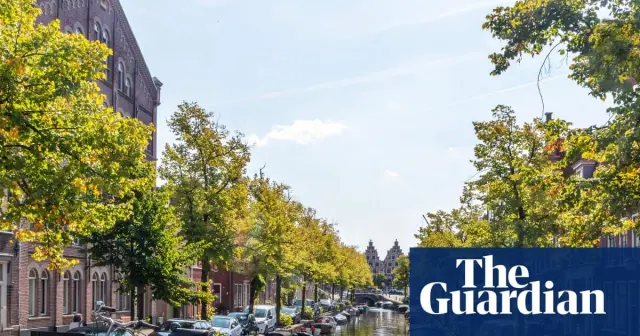
Amsterdam's city council has voted to push its tourist tax up to 16 per cent of the price of your accommodation, effective from 1 January 2027. It's already one of the steepest such levies in Europe at 12 per cent, so this is a real jump - and one that will hit travellers booking pricier rooms hardest.
The numbers make the difference clear. On a four-night stay at a €200-a-night hotel, you'd currently pay €82.64 in tourist tax. From 2027 the same trip would cost €105.79 in tax alone - an extra €23.15. And local reporting suggests the council wants to push the rate to 20 per cent in the years after that.
The levy applies across the board: hotels, hostels, guesthouses, B&Bs, holiday apartments, short-term rentals and even campsites. Day trippers aren't spared either - there's currently a flat €15 charge for visitors who don't stay overnight.
Why so aggressive? The city has been wrestling with overtourism for years. A 2021 bylaw capped overnight stays at 20 million per year, and if visitor numbers hit 18 million, the municipal executive is required to step in. In practice, Amsterdam blew past that line long ago: 2025 brought 23.7 million tourist overnight stays - up around 800,000 on 2024 - plus another 21.9 million day visits. Officials argue the crowds put serious pressure on public spaces, residents' quality of life and city services.
Not everyone agrees the tax is the answer. Opposition councillors and the tourism industry warn it could backfire. VVD councillor Myron von Gerhardt argued that pricing out certain visitors simply leaves more "hanging tourists" - day visitors with nowhere to sleep and nothing to spend money on, whose noise and behaviour residents resent most. Critics had lobbied for a flat €14.50 per person per night instead, which would soften the impact on business travellers and favour budget visitors over luxury ones. The council chose the percentage model, so the more you spend on your room, the more you pay.
For anyone planning a Dutch city break, the takeaway is simple: Amsterdam gets significantly more expensive from 2027, and costs could climb again after that. If you have flexibility, travelling before the change kicks in saves you real money on a longer stay. Alternatively, factoring the tax into your budget up front avoids nasty surprises at checkout - and travellers watching their spending might consider cheaper accommodation, since the percentage-based levy rewards it. Nearby cities like Haarlem, Utrecht or Rotterdam offer a similar Dutch experience, fewer crowds and, for now, lighter tourist taxes.