Dive Magazine has published a short interactive quiz on tides and currents, inviting readers to test how well they understand what keeps the ocean moving. It takes about a minute to complete, and while it is pitched at divers, the subject matter is genuinely useful for anyone whose holiday involves the sea — from snorkellers and paddleboarders to swimmers and boat-trip fans.
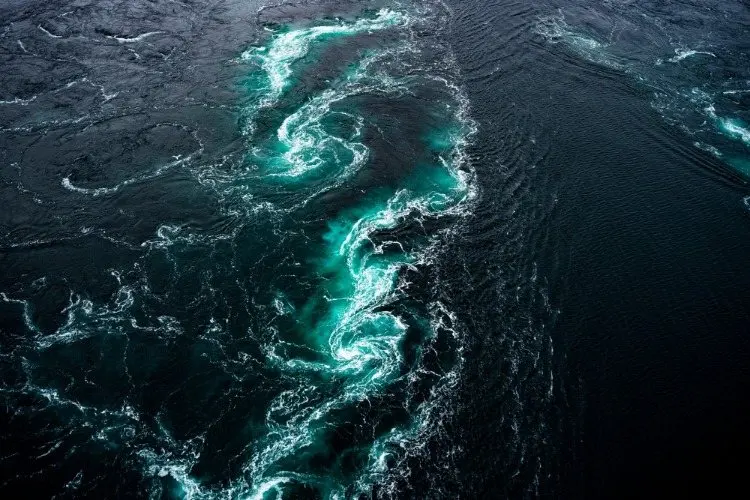
The quiz touches on the big forces behind ocean movement: the pull of the moon driving the tidal cycle, and the vast currents that circulate water around the planet. Those are not just trivia answers. For a diver, reading a tide table wrong can turn an easy shallow dive into a draining drift. For a beach holidaymaker, knowing when the tide drops can be the difference between a wide sandy stretch and a sliver of shingle, or between calm snorkelling conditions and water that suddenly carries you offshore.
Why does this matter to travellers in practical terms? Tidal range shapes what you can do at a destination and when. Some of the world's most spectacular coastal sights are tide-dependent — think of places where reefs, sandbanks or rock pools only reveal themselves at low water. Currents matter just as much: warm or cold currents influence water visibility for divers, and rip currents are a safety issue on beaches everywhere. A one-minute quiz will not make you an oceanographer, but it is a quick way to check for gaps before you book a dive trip or head to a coast with big tidal swings.
If you score badly, that is arguably the useful outcome. It is a nudge to look up tide times before a dive or a swim, to ask local operators about current conditions rather than assuming yesterday's calm will repeat, and to take the standard advice about swimming between flagged areas seriously. Divers planning trips will also recognise the broader point: good dive operators plan their schedules around slack water — the brief window when tidal flow eases — so understanding why that window exists helps you judge whether an operator knows their patch.
The quiz itself is short and free on Dive Magazine's site, published on 13 November 2026 as part of their running series of quizzes for divers. Treat it as a two-minute warm-up for your next coastal holiday: answer the questions, note what you did not know, and bring those questions to your dive centre or lifeguard instead of learning the answers the hard way in the water.