
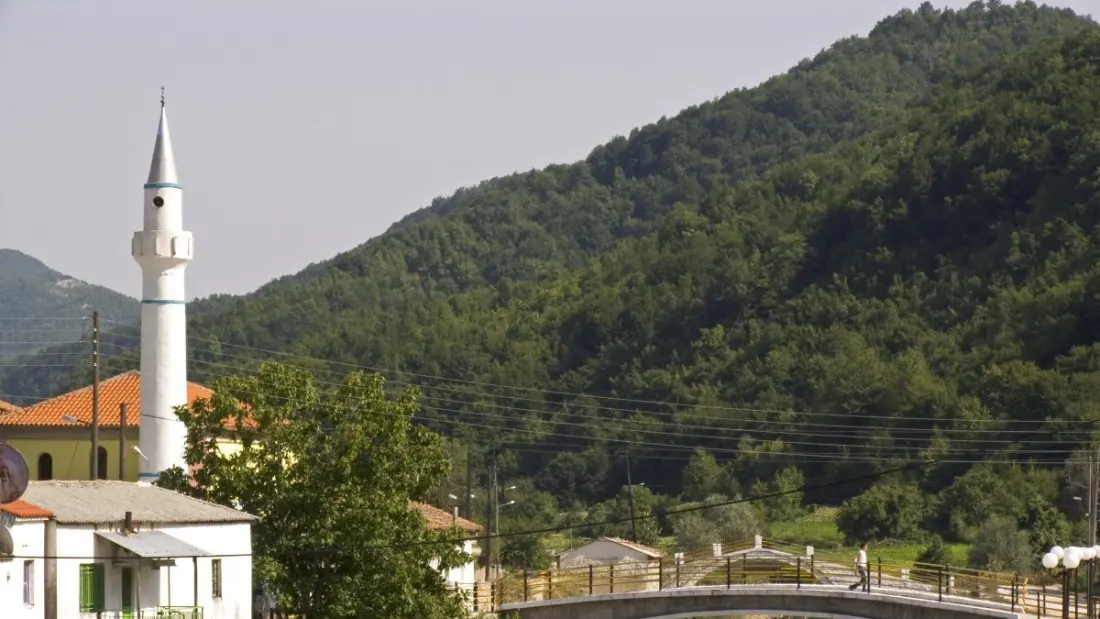
A century-old Muslim community in northeastern Greece is making a fresh push on the international stage. The Federation of Western Thrace Turks in Europe (ABTTF) has filed a written statement with the United Nations Human Rights Council, whose 63rd regular session runs in Geneva from 7 September to 7 October, arguing that the minority's freedom of religion is being systematically undermined by the Greek state.
At the heart of the dispute is who gets to pick the community's religious leaders. The ABTTF points out that the minority's rights are protected by the 1913 Athens Treaty and the 1923 Treaty of Lausanne, and that Western Thrace Turks elected their own muftis until 1985. A 1991 legal change shifted that power to the state, and a 2022 law, Law No. 4964, went further, converting the mufti offices into public institutions under the Ministry of Education, Religious Affairs and Sports. In 2026 the government appointed a mufti to Didymoteicho — Dimetoka in Turkish — with similar appointments said to be in progress for Xanthi (Iskeçe) and Komotini (Gümülcine).
The federation's core complaint is one of inconsistency: followers of other recognised religions in Greece choose their own leaders, while the Turkish minority's religious institutions and the boards of its charitable foundations remain under state control. That, the ABTTF argues, breaches both freedom of religion and the principle of equality. The community — around 150,000 people and one of Greece's poorest — also flags longer-standing grievances, from socioeconomic discrimination to unequal access to quality education and political representation.
For travellers, Western Thrace is one of Greece's least-visited corners: a region bordering Türkiye where minarets and Orthodox churches share the skyline, and where Komotini and Xanthi feel noticeably different from the Aegean islands most visitors see. Understanding this political backdrop adds useful context if you visit the mosques, bazaars and minority neighbourhoods of the area — and explains why the region's identity is such a live issue. Worth noting, too, that the source is Daily Sabah, a Turkish outlet, so the framing reflects the minority's and Türkiye's perspective; Greek authorities maintain the appointments are legal under Greek law.