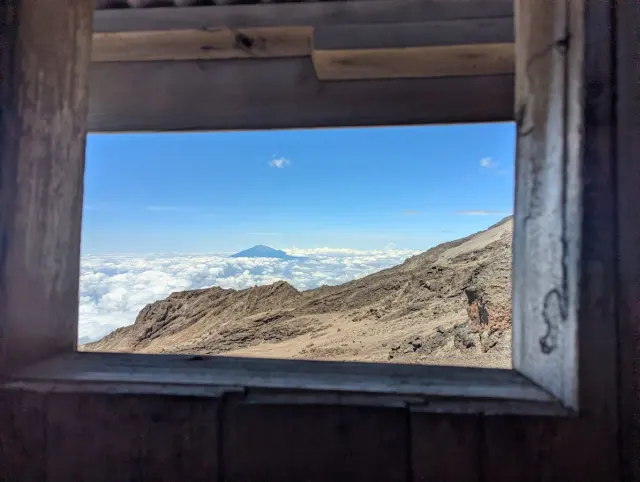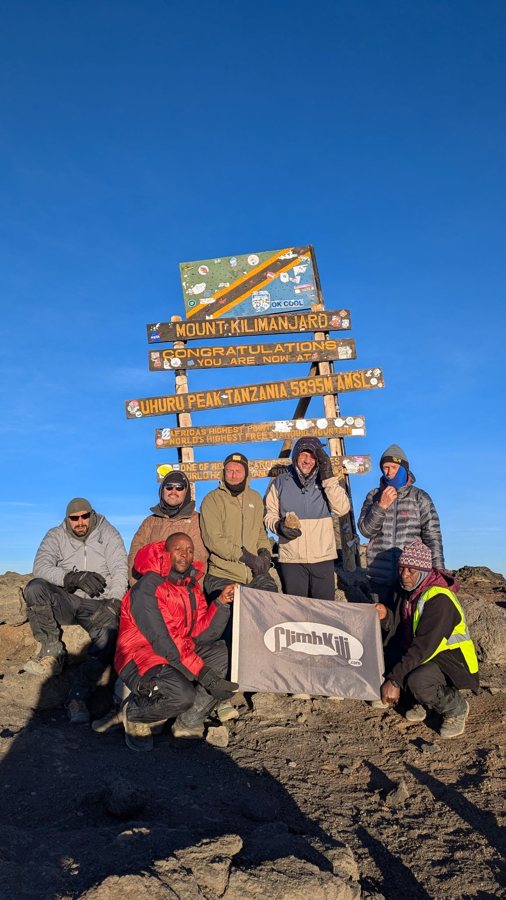
Ice on the tent at 11pm, a 12:12am start, and roughly 3,500 feet of climbing in the dark — that's summit night on Mount Kilimanjaro. A new firsthand account from a trekker on the Machame-route variant that camps at Kosovo Camp details exactly what the big day looks like, and it's a useful read for anyone sizing up Africa's highest mountain.
The trip starts at Kosovo Camp, around 16,000 feet, an acclimatisation stop above the crowded Barafu Camp. The writer layered up hard: two pairs of tights under rain pants, four layers up top, a balaclava, glove liners with hand warmers — and ski gloves stashed in the pack, which turned out to be essential. Even bottles filled with warm water turned to slush on the climb.
The route heads up to Stella Point at 18,884 feet on the crater rim, then traverses to Uhuru Peak at 5,895 metres, the official summit. Near-full moonlight meant the guide and hiker barely needed headlamps until the moon dropped behind the mountain. Small touches mattered: guides handing out hot sweet tea twice during the night climb. Sunrise came a couple hundred yards short of the summit, with the rest of the group arriving about ten minutes later.
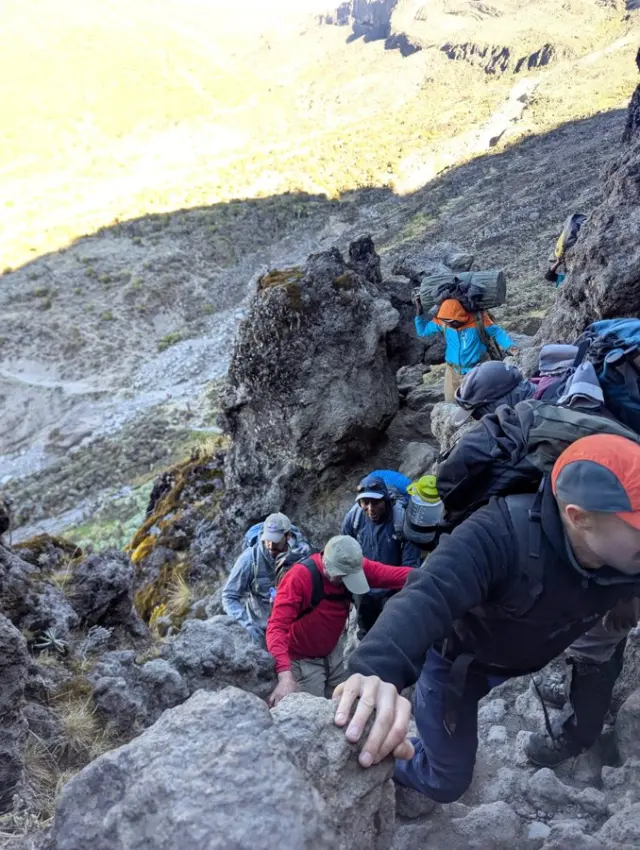
The summit itself was cold, windy and brief — photos, then down. The descent is the underrated brutal part of the day. From Kosovo to Mweka Camp the party dropped roughly 6,000 feet over 5.6 miles; including the climb back to camp, that's about 9,000 feet of descent in nine miles, an average grade around 20%. Knees took a beating, and trekking poles proved their worth. One group member, weakened by two days of poor eating, only managed the steep rocky sections because his guide, Herment, steadied him by hand and talked him through foot placement. The writer also saw guides carrying exhausted hikers piggyback near the rim.
The human side stands out. Back at Mweka Camp — in the quieter, tree-filled moorland zone — staff served fresh juice and sang congratulations. The trip's running call-and-response cheers even changed: "Non-stop... to the top" became "Non-stop... to the shower."
A couple of practical notes emerge. Campsite allocation on the mountain is largely first-come, first-served, and this trip fell in low season — Barafu was still busy, with overflow spots far from the main cluster, so expect crowds even at quiet times. Guides can rescue a shaky summit day, so a reputable operator with experienced, attentive crew is worth paying for. And pack toe warmers; the writer regretted skipping them.