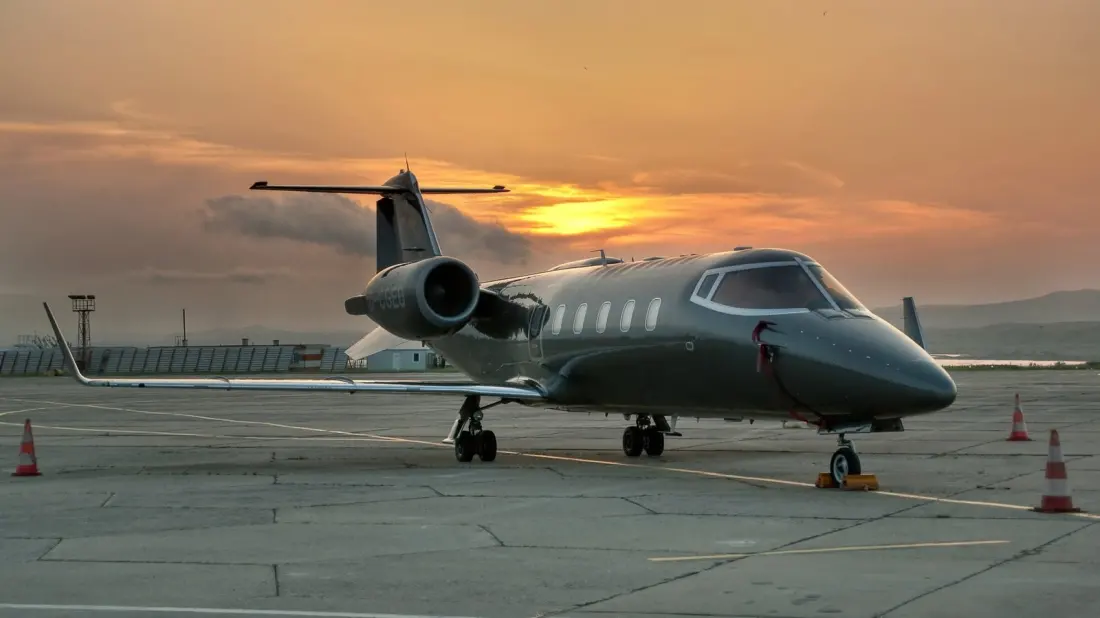
A charter flight from Texas to the Bahamas ended in catastrophe on November 1, when a Learjet 60 plummeted from cruising altitude and crashed into a roadway in a West Palm Beach neighbourhood. All nine people on board — two crew and seven passengers — died when the aircraft exploded on impact.
The numbers involved are stark. Flight tracking data shows the jet's descent exceeded 32,000 feet per minute at one point — more than six miles in a single minute — and experts told USA Today the aircraft may have struck the ground at around 500 mph. After the crew received climb instructions, they issued a mayday call reporting a rapid descent and an overspeed condition, meaning the plane had passed its maximum safe operating speed, which can trigger cascading system failures.
Weather is a central thread in the investigation. Thunderstorms and heavy rain were in the area, and the crew reported icing and moderate turbulence before requesting a smoother altitude of 37,000 feet. Icing adds weight and cuts lift, while the turbulence inside thunderstorms can stress an airframe badly enough to cause structural damage. Former NTSB and FAA investigator Jeff Guzzetti suggested to the Associated Press that losing part of the tail in turbulence would leave the jet uncontrollable — possibly explaining what witnesses described as a missile-like plunge.
The NTSB team arrived the night of the crash, and board member Tom Chapman confirmed evidence that components began separating from the aircraft before it hit the ground. Recovering those parts won't be easy: as aviation journalist Jeff Wise noted, high-speed impacts can shred the very evidence investigators need. He pointed to a 2025 Learjet 55 crash in Philadelphia, where findings are still being finalised a year later.
For context on the aircraft itself: the Learjet 60, built by Bombardier, entered service in 1993 and is one of the faster private jets in the sky, cruising at Mach 0.81. It's a popular charter choice for fast regional hops — typically around $4,260 per hour to hire, or roughly $4 million for a pre-owned example. Charter flights on this type of aircraft are a routine part of travel between Florida and the Bahamas, which is why this story resonates well beyond aviation circles: a routine holiday-route flight failed catastrophically, and the answers are likely months away.