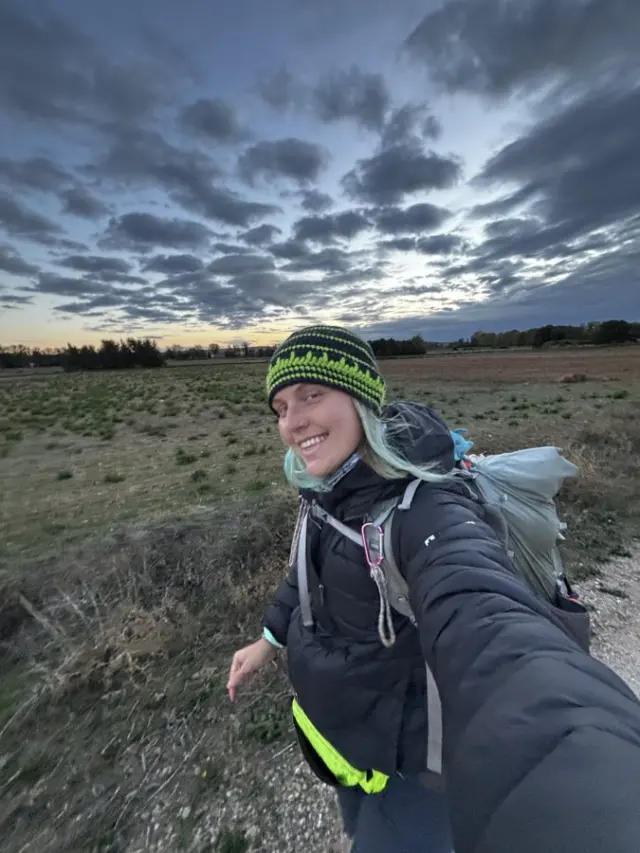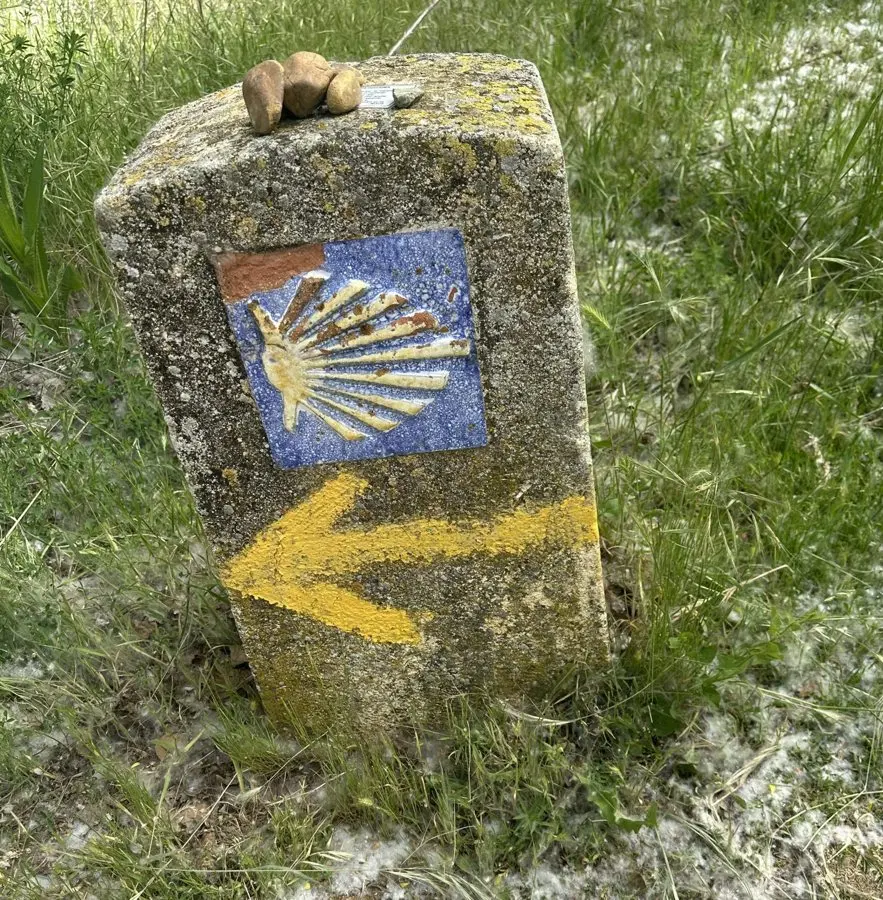
Somewhere between Moratinos and Sahagun, on day 19 of walking the Camino Frances, a hiker clocks their 254th mile and realises something unexpected: hitting the halfway mark from Saint-Jean-Pied-de-Port feels less like an achievement and more like a problem. Santiago is still the finish line, but the walkers in this dispatch already want more than the walk itself.
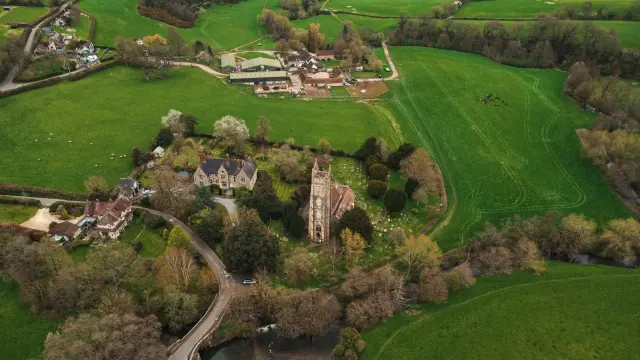
The day itself was short — just over six miles through quiet farm country on the meseta, the flatter, emptier stretch of northern Spain that pilgrims either love or endure. A five-euro albergue breakfast (two slices of toast, coffee, a splash of orange juice) pushed them out the door slowly, and a serendipitous stop in San Nicolas turned into a long porch conversation that shows what the Camino is really about.
They reconnected with Jen, a 50-year-old pilgrim from Australia who, three years earlier, was dealing with severe depression, weighed over 400 pounds and had just been diagnosed with stage 2 diabetes. She changed her life — diet, fitness, mindset — and trained specifically to walk this route. Encounters like this are the currency of the Camino: people you met once in an albergue reappear days or weeks later, and everyone's story gets told over pastry and caffeine.
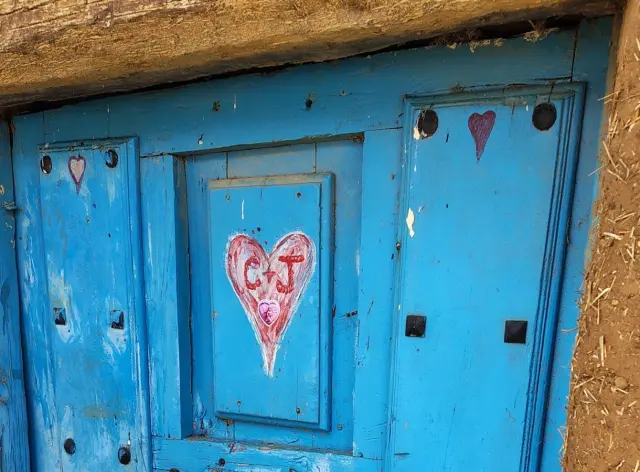
The small details stack up along the way, too. In one hamlet, German pilgrims serenaded Peter, a walker whose dog Benji was celebrating a birthday. Flowering yellow bushes perfumed the roadside. By 11 a.m. the group had crossed into the province of Palencia with only a few miles to go. In Sahagun, a small medieval city, they checked in via a self-service kiosk, ate seafood paella and pork-blended hamburgers (a Spanish quirk worth knowing) in a bar full of locals playing cards for money, and drank wine while planning what comes after Santiago.
That planning produced a genuinely useful bit of intel for anyone walking the route: for roughly 35 miles after Sahagun, albergues are so sparse that many pilgrims skip the section entirely. The writers' solution was to "yellow blaze" — hop a train to Leon and take a zero-mile day exploring the city before resuming on foot. Knowing where the accommodation gaps fall is the kind of detail guidebooks gloss over and tired feet will thank you for.
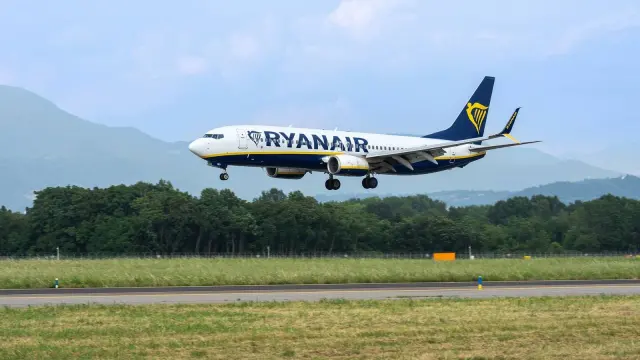
Why should a traveller care? Because this is a snapshot of the Camino mid-stride: the pace, the cheap albergue breakfasts, the chance friendships, the logistics of a 500-mile walk. Whether you're considering the full Frances or just curious about long-distance walking in Spain, it captures both the routine and the pull that keeps people planning beyond the finish line — with nearly a month of EU travel still to fill after Santiago.
The Trek