Somewhere between Carrión de los Condes and Moratinos, on day 18 of a Camino Francés walk, a hiker racked up 247.7 total miles and stumbled onto one of rural Spain's most charming quirks: dedicated mailboxes just for bread deliveries. In villages where fresh pan arrives daily to accompany nearly every meal, some houses have a slot built specifically for the baker's drop-off. It's the kind of small, practical detail that makes walking the Camino about more than the miles.
This particular stretch, crossing the flat farmland of the Meseta, is the Camino at its starkest. The path from Ledigos follows dirt farm roads between freshly plowed, empty fields with nothing to interrupt the view toward Terradillos de los Templarios — a town with a grand Templar name and barely any streets to speak of. In summer this exposed section is notorious for brutal heat; on this day, mild sun and a cool breeze made it close to perfect walking weather.
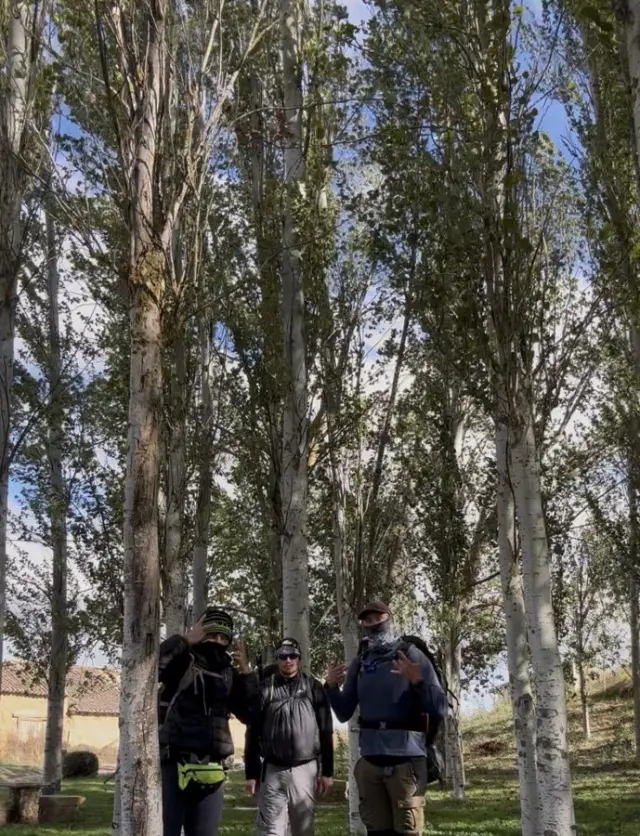
The day also came with a lesson in pacing. Down with a chest infection, the walker and a companion took a taxi over 14 miles — what pilgrims jokingly call "yellow blazing," a nod to skipping trail blazes. They recovered over café con leche (a smarter order than the watery café americano Spain serves, they decided) and still managed a picnic under cottonwood trees: a mystery hard cheese, chorizo and a fresh baguette at a stone table beside the path.
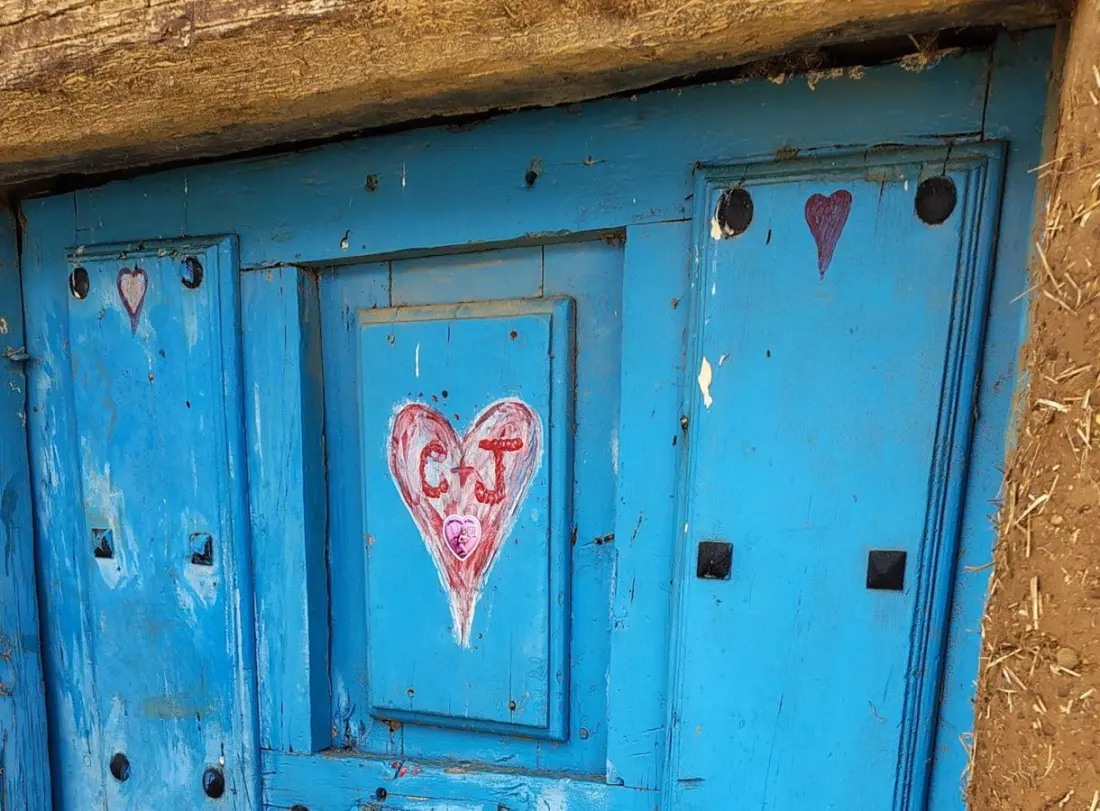
Moratinos, reached at 3 p.m., delivered the payoff of the day. The village is known for centuries-old mud and straw houses fronted by brick archways, a traditional building style particular to this part of Castilla y León. With dinner at the albergue the only meal in town, one pilgrim admitted to setting an alarm so as not to sleep through it. About 20 travellers ended up sharing two long communal tables, run by an Italian couple, swapping stories in several languages before an early night.
For anyone weighing up the Meseta section of the Camino Francés — the 200-ish kilometre stretch after Burgos that many pilgrims dread or skip — this is a case for keeping it. Yes, it's flat, empty and hot in July and August. But it's also where you get the small villages, the bread mailboxes, the cheap communal dinners and the time to actually talk to people. It also works as a reminder that the Camino rewards flexibility: a shortened day, a taxi skip or a long lunch is all part of it, and nobody keeps score but you.
Even the everyday details become part of the experience — motion-sensor lights in hostels, tethered bottle caps on drinks, water fountains you have to pump by hand. Walking 18 miles a day through someone else's normal life is exactly why people keep coming back to this route.