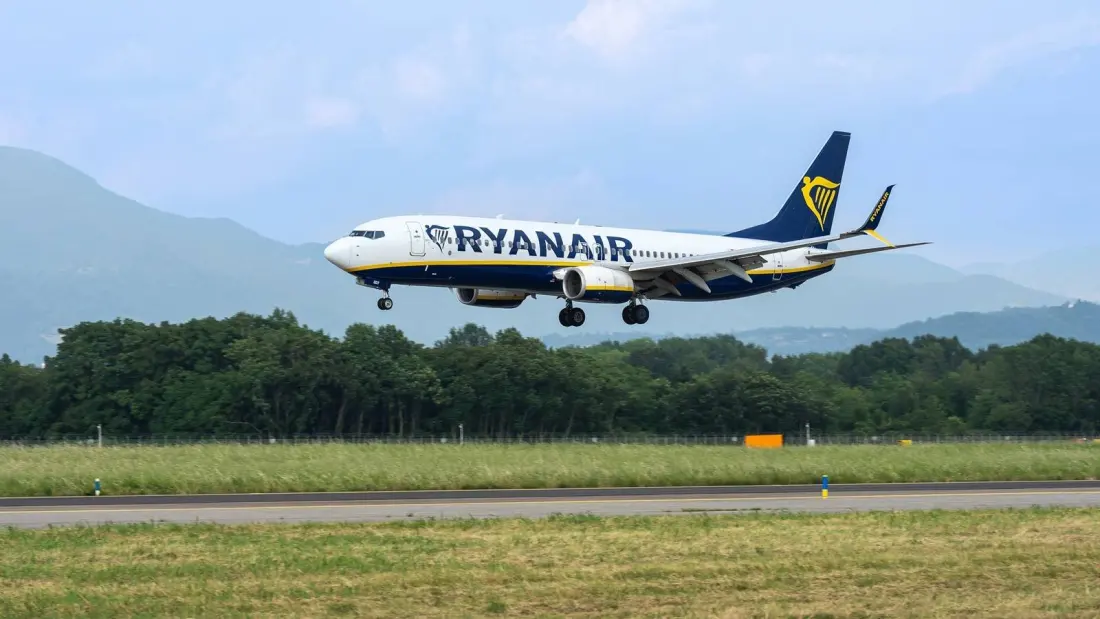
A Ryanair flight bound for Bristol ended the night where it all started: on the tarmac in Alicante, more than nine hours after first pushing back. The surreal round trip, caught up in a string of storm-related diversions, is a vivid example of how autumn weather and airline logistics can collide.
The chain of events began when the Boeing 737-800, registration 9H-QDK, left Alicante-Elche for Cornwall Newquay. Stormy conditions made a landing there impossible, so the aircraft diverted to Dublin, one of Ryanair's biggest bases and home to its European headquarters. That left the plane, crew and passengers displaced in Ireland overnight.
On Saturday, October 24, the jet tried again, departing Dublin for Bristol. But the weather had other ideas. The crew was warned of difficult conditions and abandoned the landing attempt before descending below 20,000 feet. After a holding pattern over the English Channel and a U-turn to size up regional UK airports, the pilots concluded that persistent weather ruled out every viable option on the ground in Britain. The decision: fly south, all the way back to Alicante.
Flight 2955 touched down in the Spanish city at 2:15 AM local time, roughly 910 miles (1,465 km) from Bristol, closing out an ordeal that lasted around eight hours from the aircraft's original departure from Alicante.
Why divert so far? The logic is all about the aircraft's schedule rather than the passengers' comfort. By returning the jet to its home base, Ryanair could keep it in position for the next day's flights, containing the disruption to a single night instead of cascading cancellations. For the travellers onboard, though, it meant landing in a different country from their destination and presumably sorting onward travel themselves.
The aircraft involved is a nearly ten-year-old Boeing 737-8AS delivered new to Ryanair in November 2016. Originally registered EI-FTJ, it transferred to Ryanair's Maltese subsidiary Malta Air in March 2020 and took its current registration 9H-QDK. In typical Ryanair fashion, it seats up to 189 passengers in an all-economy layout.
For anyone flying with low-cost carriers in autumn and winter, the story is a reminder that diversions can go far beyond the obvious nearby airport. Airlines weigh aircraft positioning, crew hours and network disruption alongside weather, which occasionally means a long overnight detour. Travel insurance that covers onward travel and accommodation after a diversion, and keeping essentials in your hand luggage rather than hold bags, can soften the blow if your flight takes an unplanned detour of its own.