A long-time British expat columnist in Vietnam has taken stock of the wave of reforms sweeping Hanoi — and concluded that while the intentions are good, the side effects are landing on some unlikely people.
The piece, published on Vietnam News Life, opens with a genuine note of praise: public schooling in Vietnam is now free from preschool through Grade 12, and every citizen is entitled to an annual free health check. For a country developing this quickly, those are serious commitments. The complications start with the follow-through.
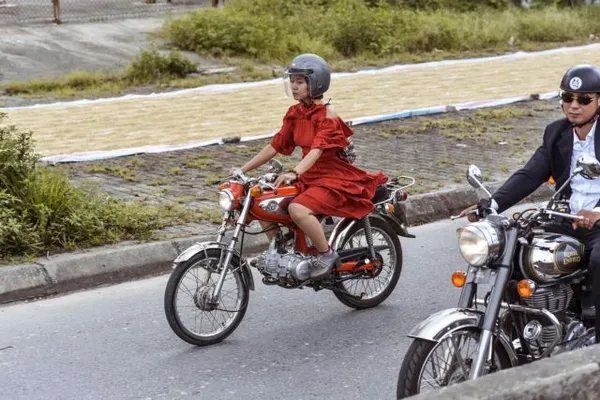
Take the new low-emission zone. For now it covers eleven streets around Hoan Kiem Lake at weekends, with plans to extend across everything inside Ring Road 1 by the end of the decade. Anyone riding a basic Honda Wave can swap to an electric bike without much loss. But the writer argues Vietnam's classic motorcycle scene — the Minsk clubs, the families running a Honda Cub across generations — deserves a niche carve-out, perhaps a paid special permit for hobbyists with vintage machines like his Triumph Bonneville.
Education reform is causing a quieter crisis. The government's move away from fee-based English programmes in public schools aims to stop parents paying steep charges for ESL classes. The catch: qualified native-level English teachers command salaries schools can't now cover, and some teachers in Hanoi have reportedly gone months unpaid — with several leaving Vietnam for jobs abroad. An odd outcome for a policy meant to boost English learning.
The familiar 'war on pavements' is back, too, and locals say Hanoi authorities seem more serious this time about clearing the tables, plastic stools and parked bikes that spill restaurant life onto the footpath. It makes the city cleaner, but strips away charm and hits street vendors whose pavement spot was their only shopfront. A proposal to let businesses rent pavement space to fund maintenance may soften that; history suggests the stools creep back once patrols move on.
There's a stranger knock-on effect in the bar scene. From January, recreational sales of nitrous oxide are banned (food use is exempt), but the crackdown has made legitimate imports so difficult that cocktail bars and fine-dining kitchens relying on the gas for techniques now face prices several times higher — when they can get it at all.
Meanwhile, simultaneous construction projects across the city are adding unpredictability to commutes, as old buildings come down and new bridges go up all at once.
For travellers, the takeaway is atmosphere, not alarm. Hanoi is in a visible hurry to modernise, and the Hanoi of endless street-side bia hoi stalls and honking classic bikes is gradually being tidied. Visit sooner rather than later if that's the Hanoi you want to see — but expect cleaner air around Hoan Kiem at weekends and a city still very much worth the trip.